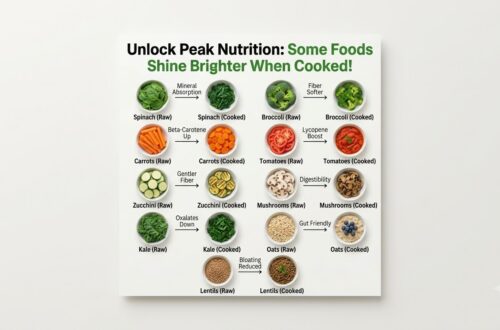
In our bustling lives, making healthy food choices can sometimes feel like a puzzle. We all want to fuel our bodies right, but with so many options, how do you know which foods pack the most nutritional punch? The answer lies in understanding and embracing nutrient-dense foods – the powerhouses that offer a wealth of vitamins, minerals, and other beneficial compounds for relatively few calories.
Think of it this way: instead of just filling up, you’re nourishing your body with every bite. The goal is to maximize your nutritional intake without overconsuming calories, leading to sustained energy, better immunity, and overall enhanced well-being.
What Are Nutrient-Dense Foods?
Nutrient-dense foods are those that provide a high amount of essential nutrients – like vitamins, minerals, protein, fiber, and healthy fats – for a relatively low number of calories. They are typically whole, unprocessed, and close to their natural state. In essence, you’re getting more nutritional value per serving, helping you meet your body’s needs without excess.
For example, as the brief mentions, a cup of spinach is famously packed with vitamins A and C, along with folate and iron, all for just about 23 calories! This makes spinach a prime example of a nutrient-dense food.

Top Picks: Highly Nutritious Foods to Add to Your Diet
Here’s a deeper dive into some of the most nutrient-dense foods you can easily incorporate into your daily meals:
Leafy Greens
- Spinach: A fantastic source of vitamins A, C, and K, as well as iron and folate. It’s incredibly versatile for salads, smoothies, or sautéed dishes.
- Kale: Often hailed as a superfood, kale is rich in vitamins A, C, K, and powerful antioxidants. It can be massaged into salads, blended into smoothies, or baked into crispy chips.
- Swiss Chard: Offers a vibrant array of vitamins K, A, and C, plus magnesium and potassium. Its slightly bitter taste pairs well with garlic and olive oil.
Berries
- Blueberries: Known for their high antioxidant content, they also provide vitamin C and fiber. Great in yogurt, oatmeal, or as a snack.
- Strawberries: An excellent source of vitamin C and manganese, they are sweet and refreshing.
- Raspberries: Packed with fiber and vitamin C, supporting digestive health.
Cruciferous Vegetables
- Broccoli: Rich in vitamins C and K, fiber, and various health-promoting compounds. Steamed, roasted, or added to stir-fries, it’s a healthy staple.
- Brussels Sprouts: Similar to broccoli, these mini cabbages offer significant amounts of vitamins C and K, and fiber.
- Cauliflower: A versatile vegetable that can be mashed, roasted, or even used as a rice substitute, providing vitamin C and K.
Legumes
- Lentils: An excellent source of plant-based protein, fiber, and iron. They are perfect for soups, stews, and salads.
- Chickpeas (Garbanzo Beans): High in protein, fiber, and folate. Enjoy them in hummus, roasted, or in salads.
- Black Beans: Rich in fiber, protein, and antioxidants, black beans are a staple in many cuisines and can be added to tacos, bowls, or salads.
Nuts and Seeds
- Almonds: Provide healthy fats, vitamin E, magnesium, and fiber. A handful makes a satisfying snack.
- Chia Seeds: Tiny but mighty, they’re packed with omega-3 fatty acids, fiber, and protein. Add them to smoothies, yogurt, or use as an egg substitute.
- Flaxseeds: Another great source of omega-3s and fiber, often ground and added to cereals or baked goods.
Lean Proteins
- Fatty Fish (Salmon, Mackerel): Abundant in omega-3 fatty acids, which are crucial for brain and heart health, along with high-quality protein and vitamin D.
- Eggs: Often called nature’s multivitamin, eggs contain high-quality protein, choline, and various vitamins and minerals.
- Chicken Breast: A lean source of protein essential for muscle repair and growth.
The Benefits of a Nutrient-Rich Diet
Incorporating these foods into your diet can lead to a cascade of positive effects:
- Increased Energy Levels: Steady supply of nutrients helps your body function optimally, reducing fatigue.
- Stronger Immune System: Vitamins and minerals like C, D, and zinc are crucial for bolstering your body’s defenses.
- Improved Digestion: High fiber content in many nutrient-dense foods supports a healthy gut.
- Weight Management: These foods are often filling and satisfying due to their fiber and protein content, helping you feel full longer and manage your calorie intake.
- Better Mood and Brain Function: Essential fatty acids, vitamins, and minerals are vital for cognitive health and mood regulation.
- Reduced Risk of Chronic Diseases: A diet rich in whole, nutrient-dense foods is associated with a lower risk of heart disease, diabetes, and certain cancers.
How to Incorporate More Nutrient-Dense Foods
- Start with Breakfast: Add berries to your oatmeal, spinach to your eggs, or chia seeds to your smoothie.
- Snack Smart: Opt for an apple with a handful of almonds, or baby carrots with hummus.
- Load Up on Veggies: Aim to fill half your plate with colorful vegetables at lunch and dinner.
- Experiment with Legumes: Add lentils to soups, chickpeas to salads, or black beans to your stir-fries.
- Swap and Substitute: Replace refined grains with whole grains, and unhealthy snacks with fruits and nuts.
Embrace a Healthier You!
Making conscious choices to include more nutrient-dense foods in your diet is one of the most powerful steps you can take for your health. Small changes can lead to significant improvements in your energy, mood, and overall well-being. Start today by adding a new colorful vegetable or a handful of berries to your next meal!
Disclaimer: The information provided in this article is for educational purposes only and is not intended as a substitute for professional medical advice, diagnosis, or treatment. Always seek the advice of your physician or other qualified health provider with any questions you may have regarding a medical condition.