Unlock the Power of Zinc in Your Diet!
Have you ever wondered about the tiny minerals that play a monumental role in your body’s daily functions? One such unsung hero is zinc. While often overshadowed by other popular nutrients, zinc is an essential mineral vital for numerous bodily processes, from supporting your immune system to maintaining your sense of taste and smell. Let’s dive deeper into why zinc is so crucial and how you can ensure you’re getting enough of it in your daily diet!
What is Zinc and Why is it Important?
Zinc is an essential trace mineral, meaning your body needs it in small amounts, but it cannot produce it on its own. Therefore, you must obtain it through your diet. It’s involved in over 300 enzymatic reactions in the body, impacting everything from DNA synthesis to cell growth and division.
Key Benefits of Zinc for Your Health
The roles of zinc in the body are diverse and critical for overall wellness. Here are some of its primary benefits:
- Immune System Support: Zinc is perhaps best known for its role in immune function. It may help support the development and function of immune cells, potentially helping your body defend against various challenges.
- Wound Healing: Research suggests that zinc is crucial for maintaining skin integrity and plays a role in the healing process of wounds. It’s involved in collagen synthesis and inflammatory response.
- Cell Growth and Repair: Zinc is fundamental for cell division and growth, making it especially important during periods of rapid growth like childhood, adolescence, and pregnancy.
- Sense of Taste and Smell: This mineral is essential for the proper functioning of your taste buds and olfactory senses. A deficiency in zinc can sometimes lead to an impaired sense of taste or smell.
- Metabolism: Zinc is involved in carbohydrate, fat, and protein metabolism, helping your body convert food into energy.
Delicious Zinc-Rich Foods to Add to Your Diet
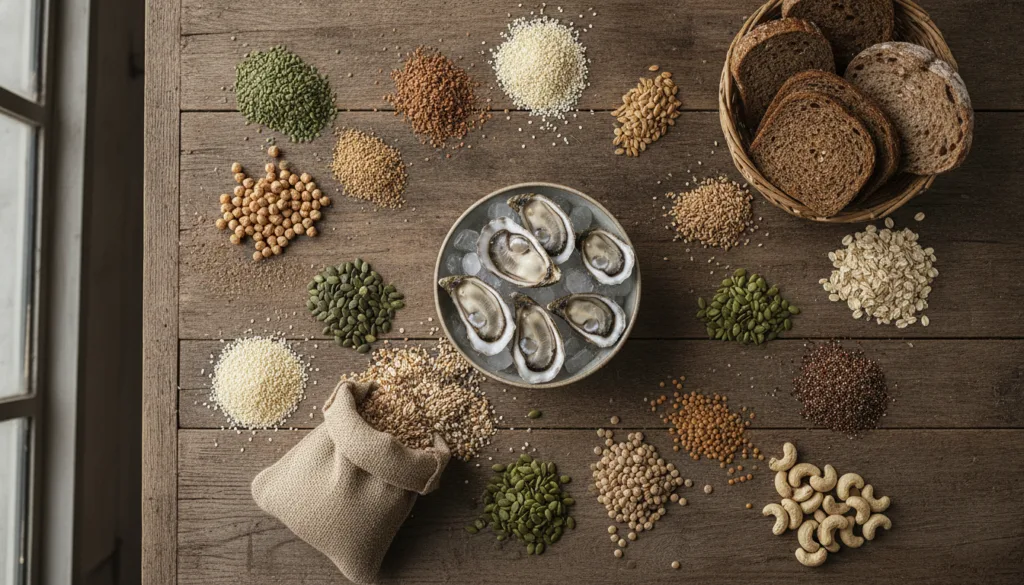
Incorporating more zinc into your meals is easier than you might think, thanks to a variety of delicious food sources. Here are some top picks:
- Legumes: Foods like chickpeas, lentils, and beans are excellent plant-based sources of zinc. A cup of cooked chickpeas, for example, can provide a significant portion of your daily zinc needs.
- Seeds: Sesame seeds (often found in tahini), pumpkin seeds, and hemp seeds are packed with zinc. Sprinkle them over salads, yogurt, or blend them into smoothies.
- Nuts: Cashews and almonds offer a good amount of zinc, along with other beneficial nutrients like healthy fats and fiber.
- Whole Grains: Oats, quinoa, brown rice, and whole-wheat bread contain zinc, though the absorption might be slightly lower due to phytates.
- Meat: Red meat, such as beef and lamb, is a highly bioavailable source of zinc. Poultry like chicken and turkey also contribute.
- Shellfish: Oysters are exceptionally rich in zinc, often providing more than 100% of the daily recommended intake in a single serving. Crab and lobster are also good sources.
- Dairy Products: Milk, cheese, and yogurt can contribute to your daily zinc intake.
Simple Ways to Boost Your Zinc Intake
Ready to make zinc a priority in your diet? Here are some practical tips:
- Snack Smart: Keep a bag of mixed nuts and seeds handy for a quick and nutritious snack.
- Legume-Loaded Meals: Add chickpeas to your salads, make lentil soup, or enjoy a hearty bean chili.
- Tahini Time: Use tahini (sesame paste) in salad dressings, hummus, or even as a spread.
- Whole Grains for Breakfast: Start your day with oatmeal or whole-grain toast.
- Meat & Seafood Choices: Incorporate lean meats or shellfish into your meals a few times a week, if they fit your dietary preferences.
Understanding Potential Zinc Deficiency
While most people can meet their zinc needs through a balanced diet, certain groups may be at higher risk for deficiency, including vegetarians, vegans, pregnant and lactating women, and individuals with certain digestive disorders. Symptoms of zinc deficiency may include impaired immune function, hair loss, diarrhea, and delayed wound healing. If you suspect a deficiency, it’s always best to consult with a healthcare professional.
Important Disclaimer
The information provided in this article is for educational and informational purposes only and is not intended as medical advice. Always consult with a qualified healthcare professional before making any decisions about your health or treatment.
By consciously including more zinc-rich foods in your diet, you’re taking a proactive step towards supporting your immune system and overall well-being. What’s your favorite way to get more zinc? Share your ideas in the comments!