Ever wondered how to get that melt-in-your-mouth tenderness in your favorite vegan meals? Achieving the perfect texture in plant-based cooking is an art that transforms good dishes into extraordinary ones. From succulent slow-cooked root vegetables to perfectly al dente legumes, knowing how to prepare your ingredients for optimal tenderness can elevate your home cooking to new heights.
This guide demystifies the secrets to creating delightfully tender plant-based dishes, ensuring every bite is a pleasure.
Why Texture Matters in Vegan Cooking
Texture plays a crucial role in our enjoyment of food. It adds complexity, satisfaction, and depth to a dish. In vegan cooking, mastering texture is especially important, as it helps create fulfilling meals that rival any traditional dish. Understanding how to achieve tenderness is key to unlocking the full potential of plant-based ingredients.
Understanding “Tenderness” in Plant-Based Foods
While often associated with meat, tenderness in plant-based cooking refers to ingredients that are soft, yielding, and pleasant to chew, without being mushy or tough. This can apply to:
- Legumes: Soft, creamy beans and lentils.
- Vegetables: Root vegetables that are cooked through but hold their shape, or greens that are wilted perfectly.
- Fungi: Mushrooms with a satisfying, meaty bite.
- Grains: Perfectly cooked grains that are fluffy and not overly chewy.
- Plant-Based Proteins: Tofu, tempeh, or seitan that absorb marinades and become juicy.
Key Plant-Based Ingredients and Their Tenderness Secrets
Legumes: Beans, Lentils, and Chickpeas
- Soaking: For dried beans, soaking reduces cooking time and can improve texture and digestibility.
- Cooking Method: Slow simmering, pressure cooking, or using an Instant Pot can achieve incredibly creamy, tender legumes. Avoid adding salt too early, as it can toughen the skins.
- Freshness: Older dried beans take longer to cook and may never become as tender.
Vegetables: Root Vegetables, Greens, and More
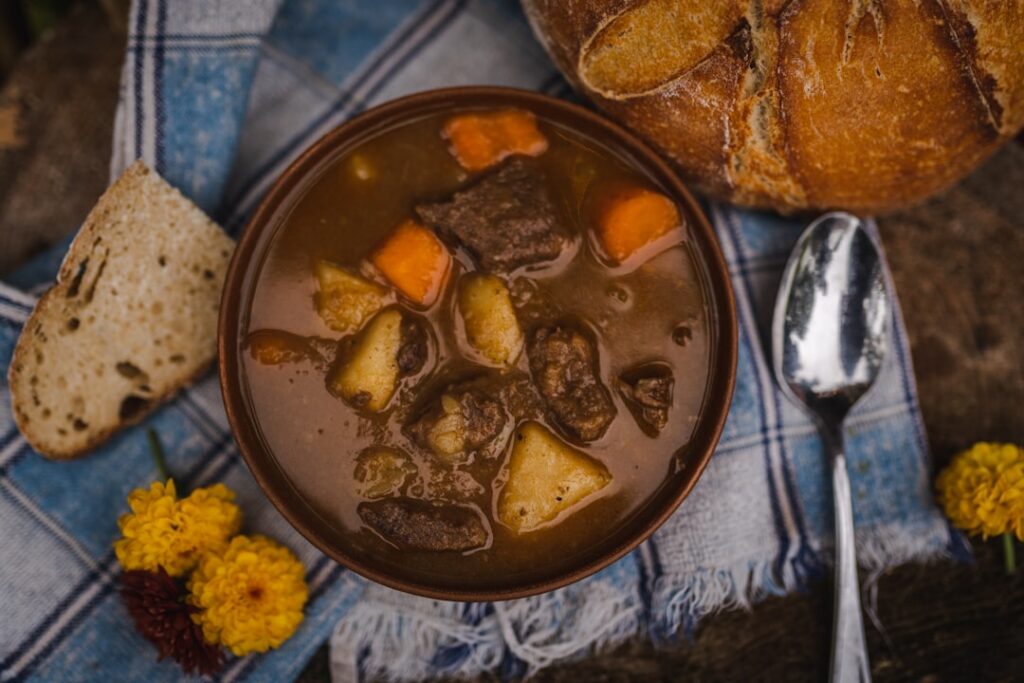
- Root Vegetables (Potatoes, Carrots, Sweet Potatoes): Braising, roasting, or slow cooking brings out their natural sweetness and creates a tender, fork-able texture. Cutting them uniformly ensures even cooking.
- Leafy Greens (Spinach, Kale, Chard): Quick steaming or sautéing until just wilted preserves their nutrients and prevents them from becoming stringy or mushy.
- Cruciferous Vegetables (Broccoli, Cauliflower): Roasting or steaming until tender-crisp offers the best texture.
Plant-Based Proteins: Tofu, Tempeh, and Seitan
- Tofu: Pressing removes excess water, allowing it to absorb marinades better and achieve a firmer yet tender texture when baked, fried, or grilled. Freezing and thawing can also create a chewier texture.
- Tempeh: Steaming or simmering tempeh before marinating and cooking can soften its texture and reduce any bitterness.
- Seitan: The tenderness of seitan often depends on its preparation. Kneading properly and simmering in a flavorful broth can result in a succulent, chewy texture.
Techniques for Perfect Plant-Based Tenderness
Marinating for Flavor and Softness
Marinades not only infuse flavor but can also tenderize certain plant-based proteins. Acids like lemon juice or vinegar, or enzymes from fruit like papaya or kiwi (used sparingly), can gently break down fibers in seitan or firm vegetables.
Slow Cooking and Braising
These methods are fantastic for developing deep flavors and creating extremely tender vegetables and legumes. The low, slow heat allows ingredients to break down gradually, resulting in a rich, velvety texture.
Pressure Cooking
For quick tenderness, a pressure cooker is a game-changer, especially for dried beans and tougher root vegetables. It drastically reduces cooking time while achieving consistent, soft results.
Proper Hydration
For grains like quinoa, rice, or farro, the correct water-to-grain ratio and simmering time are crucial. This ensures they absorb enough liquid to become tender without turning mushy.
Mindful Slicing and Preparation
Cutting vegetables against the grain, or slicing them thinly, can significantly impact their perceived tenderness once cooked. Smaller, uniform pieces cook more evenly and become tender faster.
Elevate Your Vegan Cooking Today
Mastering the art of tenderness in plant-based cooking is a rewarding journey that adds incredible depth and enjoyment to your meals. By understanding the unique properties of different ingredients and employing the right cooking techniques, you can transform simple plant-based components into dishes that are not only nutritious but also incredibly satisfying and delicious.
Experiment with these tips and discover the tender side of vegan cuisine!