Cooking delicious meals starts long before you turn on the stove. Whether you’re choosing a steak at the butcher, selecting seafood at the market, or deciding which herbs pair best with your favorite protein, understanding your ingredients makes all the difference. Many people believe that cooking is only about following recipes. In reality, knowing the differences between meat cuts, seafood varieties, cooking methods, and proper storage techniques will improve your dishes far more than simply memorizing recipes.
This ultimate guide covers everything you need to know—from beef cuts and pig breeds to seafood varieties, marinades, seasoning combinations, freezer storage, and cooking temperatures. It’s an essential resource for every food lover aiming to master their kitchen skills.
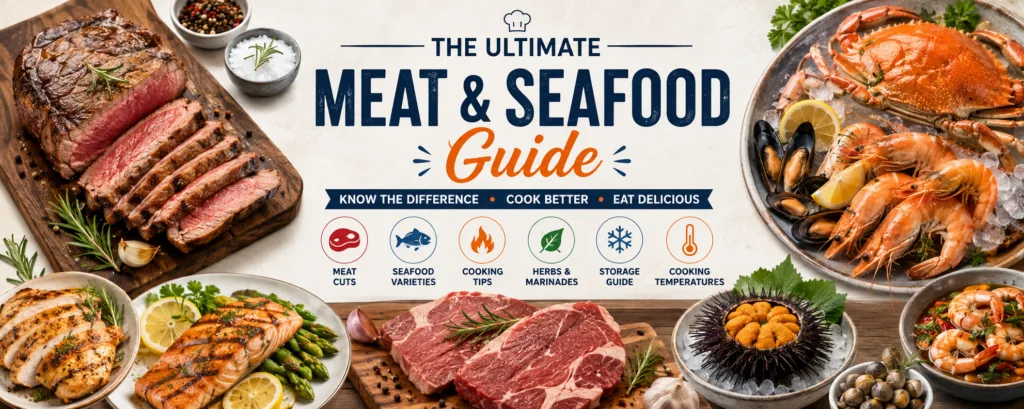 Mastering your ingredients is the first step to exceptional cooking.
Understanding Different Meat Cuts
Not every cut of meat is created equal. Each section of an animal performs a different amount of work during its lifetime, which directly affects tenderness, fat content, flavor, and cooking method. The more a muscle is used, the tougher it becomes because it contains more connective tissue. Less-used muscles are generally softer and more tender.
Tender Cuts
These premium cuts come from muscles that do very little work, making them exceptionally tender and prized for quick cooking methods.
- Examples: Tenderloin, Filet Mignon, Ribeye, Striploin, Sirloin
- Characteristics: Very tender, rich marbling, quick cooking, premium price
- Best Cooking Methods: Grilling, Pan-searing, Reverse searing, Sous vide
Tough Cuts
These muscles work harder throughout the animal’s life, resulting in more connective tissue and a robust flavor that benefits from longer cooking times.
- Examples: Brisket, Chuck, Short Ribs, Flank, Skirt, Oxtail, Shank
- Characteristics: More connective tissue, strong beef flavor, lower cost, requires long cooking
- Best Cooking Methods: Smoking, Braising, Slow cooking, Pressure cooking
Difference Between Tender Cuts and Tough Cuts
Tender CutsTough CutsSoft textureFirm textureExpensiveAffordableCook quicklyCook slowlyGreat for steakGreat for stewsHigh marblingHigh connective tissue
Understanding Beef Marbling
Marbling refers to the tiny streaks of intramuscular fat distributed throughout the muscle. Many people think lean meat is always better, but marbling is what creates juicy, flavorful steak. More marbling means better flavor, juicier meat, richer texture, and increased tenderness. This is why Ribeye is often considered one of the best steaks in the world.
Difference Between Ribeye, Sirloin, and Tenderloin
- Ribeye: Best for people who love rich, juicy steaks. High marbling, rich flavor, extremely juicy.
- Sirloin: A balanced option. Leaner, affordable, great everyday steak.
- Tenderloin: The most tender cut. Very lean, extremely soft, mild flavor, premium price.
Safe Cooking Temperatures
Cooking meat to the correct internal temperature protects against foodborne illness while maintaining the best texture. Always use a meat thermometer instead of guessing for accuracy and safety.
ProteinRecommended TemperatureBeef Steak130–135°F (Medium Rare)Pork145°FLamb145°FChicken165°FTurkey165°FDuck165°FGround Beef160°FSalmon145°F
Difference Between Rare, Medium, and Well Done
- Rare (120–125°F): Bright red center, extremely juicy, very soft.
- Medium Rare (130–135°F): Warm red center, perfect balance of tenderness and flavor. Most chefs recommend this level for premium steaks.
- Medium (140–145°F): Pink center, firmer texture, less juicy.
- Well Done (160°F+): Fully cooked, firm texture, least juicy.
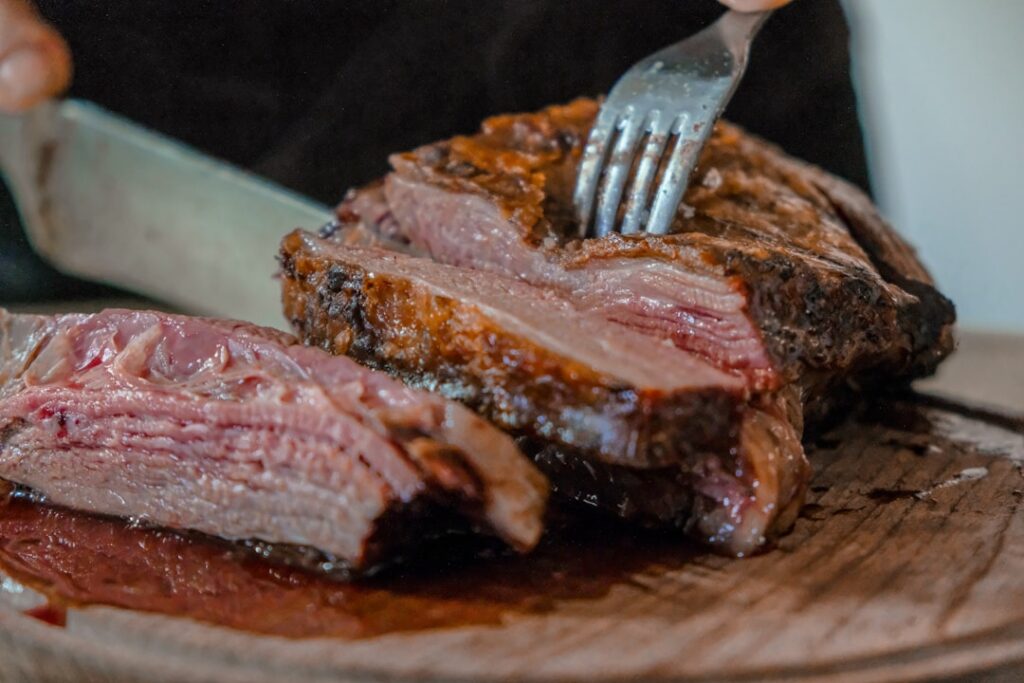 Achieve perfect doneness every time with a meat thermometer.
Choosing the Right Herbs and Spices
Every protein pairs differently with herbs because each has its own natural flavor. Matching the right aromatics enhances your dish significantly.
Best Herbs for Different Proteins
- Beef: Rosemary, Thyme, Garlic, Black Pepper, Paprika
- Lamb: Mint, Rosemary, Garlic, Oregano
- Pork: Sage, Mustard, Garlic, Thyme
- Chicken: Basil, Tarragon, Paprika, Lemon, Parsley
- Fish: Dill, Lemon, Parsley, Chives, Tarragon
Difference Between Fresh Herbs and Dried Herbs
Fresh HerbsDried HerbsBrighter flavorMore concentratedBetter for finishing dishesBetter for slow cookingExamples: Parsley, Basil, DillExamples: Oregano, Thyme, Rosemary
Popular Marinades Around the World
A good marinade doesn’t just add flavor—it can also improve tenderness and moisture. Marinades penetrate the meat, infusing it with flavor and often helping to break down fibers for a more tender result.
Garlic Herb Marinade
- Best for: Steak, Chicken, Pork
- Main ingredients: Olive oil, Garlic, Rosemary, Parsley
Chimichurri
- Origin: Argentina
- Perfect with: Ribeye, Sirloin, Flank steak
- Main ingredients: Parsley, Garlic, Olive oil, Vinegar
Korean Bulgogi Marinade
- Perfect for: Beef, Short ribs
- Main ingredients: Soy sauce, Brown sugar, Sesame oil, Garlic, Ginger
Cajun Marinade
- Best with: Shrimp, Fish, Chicken
- Known for: Bold flavor, smoky spice, Southern American cuisine
Difference Between Marinade and Seasoning
MarinadeSeasoningContains liquidDry ingredientsPenetrates meatApplied immediatelyRequires resting timeCreates flavorful crust
How Long Does Meat Last?
Proper storage helps maintain food quality and safety, preventing spoilage and foodborne illness. Understanding the shelf life of different meats is crucial for meal planning and reducing waste.
Refrigerator Storage (Optimal Freshness)
Raw Meat:
- Chicken: 1–2 days
- Beef: 3–5 days
- Pork: 3–5 days
- Fish: 1–2 days
Cooked Meat:
- Most cooked meats stay fresh for 3–4 days.
Freezer Storage (Long-Term Preservation)
- Beef: 6–12 months
- Chicken: 9–12 months
- Ground Beef: 3–4 months
- Pork: 4–12 months
- Shrimp: 6 months
- Fish: 2–9 months
- Turkey: 12 months
Difference Between Refrigerating and Freezing
RefrigeratorFreezerReady to cook quicklyLong-term storageShort-term storageSlower spoilageBetter texturePrevents food waste
Understanding Seafood Varieties
Seafood is incredibly diverse, and every species has its own texture, flavor profile, and ideal cooking method. Exploring different varieties opens up a world of culinary possibilities.
- Cod: Firm and flaky texture, best for Fish and Chips or Baked Cod.
- Salmon: Rich and fatty texture, ideal for Grilled Salmon or Smoked Salmon.
- Tuna: Dense and meaty texture, perfect for Sushi, Sashimi, or Seared Tuna.
- Sea Urchin (Uni): Known for its creamy texture and sweet ocean flavor, popular in Uni Sushi or Uni Pasta.
- Eel: Rich, buttery meat, best in dishes like Unagi Don.
- Crab: Sweet meat, popular in Chili Crab or Garlic Butter Crab.
- Blue Swimming Crab: Known for sweet, delicate meat, best steamed or in Curry Crab.
- King Prawns: Large and juicy, excellent in Garlic Butter Prawns or Grilled King Prawns.
- Blood Cockles: Popular in Southeast Asia, often cooked as Stir-Fried Blood Cockles or Chili Basil Cockles.
Difference Between White Fish and Oily Fish
White FishOily FishExamples: Cod, Haddock, TilapiaExamples: Salmon, Tuna, MackerelCharacteristics: Mild flavor, lean meat, low fatCharacteristics: Rich flavor, high Omega-3, juicier texture
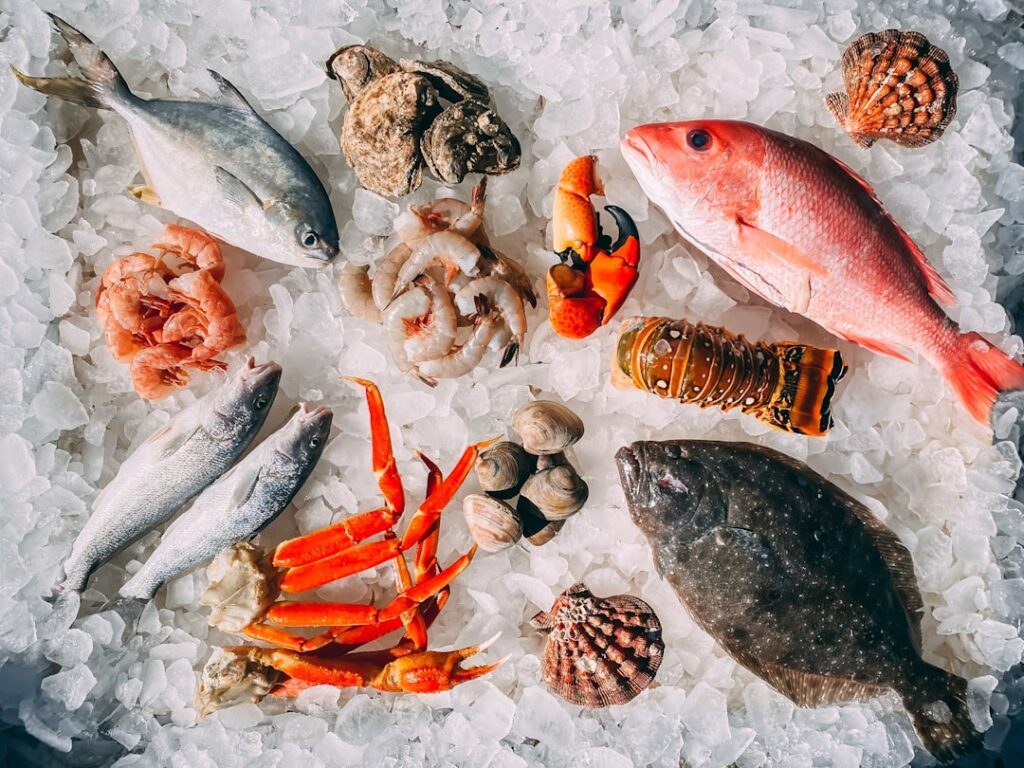 Discover the vast and delicious world of seafood.
Pig Breeds and Their Meat Quality
Not all pork comes from the same breed. Different pig breeds produce completely different flavor profiles, textures, and fat content, influencing their culinary uses and value.
- Iberian Pig: A premium Spanish breed known for heavy marbling, rich flavor, and the famous Iberico Ham.
- Iberian × Duroc: Offers great marbling with better affordability than pure Iberian.
- Duroc: Known for juicy meat and excellent grilling characteristics.
- Mangalica: Often called the “Kobe Beef of Pork.” Characterized by extremely fatty, luxurious texture, and premium charcuterie applications.
Difference Between Ham Types
Iberico HamSerrano HamRichest flavorLeanerFinest marblingMore affordableLuxury productEveryday use
Final Thoughts
Great cooking isn’t about expensive ingredients—it’s about understanding them. Knowing the difference between a Ribeye and a Brisket, choosing the right herbs for seafood, storing meat safely, or selecting the proper cooking temperature can elevate your meals from ordinary to exceptional.
Whether you’re grilling a perfectly marbled steak, preparing buttery king prawns, enjoying premium Iberian ham, or experimenting with fresh seafood, mastering these fundamentals will help you cook with greater confidence and consistently achieve delicious results. The more you understand your ingredients, the easier it becomes to choose the right cut, use the best cooking method, and create restaurant-quality dishes right in your own kitchen.