Did you know that some of the most ordinary items in your pantry can act like a tiny repair team for your body? It’s true! The concept of ‘food as medicine’ isn’t just an old saying; it’s a powerful approach to wellness that highlights how specific nutrients in everyday foods can offer targeted support for various bodily functions.
From promoting radiant skin to safeguarding the health of your brain, gut, heart, and prostate, nature has provided us with remarkable ingredients. These foods are packed with vitamins, minerals, and antioxidants that work diligently behind the scenes to keep you feeling your best.
Join us as we explore five incredible everyday foods and discover how they diligently work as your body’s personal repair crew, ready to tackle specific wellness needs and help maintain your overall health.
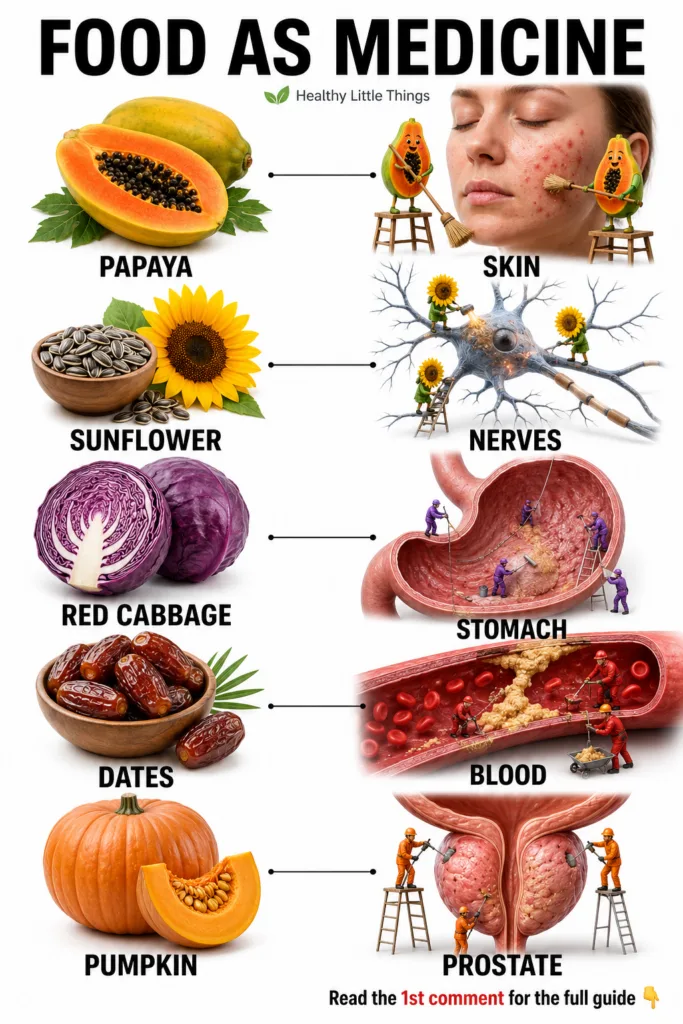
Papaya: Your Skin’s Best Friend
Often celebrated for its sweet, tropical flavor, papaya is much more than just a delicious fruit. It’s a powerhouse for skin health, acting as a natural ally against common concerns like blemishes and dullness. Papaya contains an enzyme called papain, which is known for its exfoliating properties.
When applied topically or consumed, papain can help remove dead skin cells, promoting a clearer and brighter complexion. Beyond papain, papaya is rich in vitamins A and C, and a host of antioxidants. These nutrients are crucial for fighting free radical damage, supporting collagen production, and reducing inflammation, all of which contribute to healthy, vibrant skin.
How to Incorporate Papaya for Skin Health:
- Enjoy fresh papaya slices as part of your breakfast or a snack.
- Blend papaya into smoothies for an easy nutrient boost.
- Use mashed papaya as a natural face mask for gentle exfoliation.
Sunflower Seeds: Nourishment for Your Nerves and Brain
These small but mighty seeds are an excellent source of nutrients that are particularly beneficial for your nervous system and brain health. Sunflower seeds are packed with Vitamin E, an antioxidant known to protect brain cells from oxidative stress. They also contain magnesium, which plays a critical role in nerve function and the regulation of neurotransmitters.
Furthermore, sunflower seeds provide healthy fats, including polyunsaturated and monounsaturated fats, which are essential for brain structure and function. Incorporating these seeds into your diet may help support cognitive health and maintain the health of your nervous system.
Boosting Brain Health with Sunflower Seeds:
- Sprinkle sunflower seeds over salads, yogurt, or oatmeal.
- Enjoy them as a crunchy, satisfying snack on their own.
- Add them to homemade trail mixes or energy bars.
Red Cabbage: Supporting a Happy Stomach
Red cabbage stands out with its vibrant color, courtesy of anthocyanins – powerful antioxidants that offer numerous health benefits. When it comes to your stomach and digestive system, red cabbage is a true hero. It’s an excellent source of dietary fiber, which is vital for promoting regular bowel movements and maintaining a healthy gut microbiome.
The fiber in red cabbage can help prevent constipation and support the overall efficiency of your digestive tract. Additionally, the antioxidants in red cabbage may help protect the stomach lining from damage and reduce inflammation, contributing to a calm and happy digestive environment.
Ways to Enjoy Red Cabbage for Digestion:
- Add shredded red cabbage to your salads for a crunchy boost.
- Make a vibrant coleslaw with a light, vinegar-based dressing.
- Sauté or roast red cabbage as a nutritious side dish.
Dates: A Sweet Treat for Healthy Blood Vessels
Dates are naturally sweet and nutrient-dense fruits that offer more than just a delicious taste. They are particularly beneficial for cardiovascular health, especially when it comes to maintaining healthy blood vessels. Dates are rich in fiber, which can help manage cholesterol levels by reducing the absorption of LDL (‘bad’) cholesterol.
They also provide potassium, an essential mineral that helps regulate blood pressure, further contributing to healthy blood flow and blood vessel integrity. The antioxidants found in dates may also help protect against oxidative stress, which can be a factor in plaque buildup in arteries.
Incorporating Dates for Heart Health:
- Eat dates as a natural sweetener in smoothies or oatmeal.
- Pair dates with nuts for a balanced and energizing snack.
- Chop dates and add them to baked goods for natural sweetness and fiber.
Pumpkin: A Friend to Prostate Health
Often associated with autumn, pumpkin is a versatile and nutritious food that offers specific benefits for prostate health. Pumpkin, especially its seeds, is an excellent source of zinc, a mineral crucial for prostate function and overall male reproductive health. Studies suggest that adequate zinc intake may help support a healthy prostate.
Beyond zinc, pumpkin also contains antioxidants and phytosterols, plant compounds that have been studied for their potential role in maintaining prostate health. Including pumpkin in your diet can be a proactive step towards supporting this vital gland.
Adding Pumpkin to Support Prostate Health:
- Enjoy roasted pumpkin seeds as a snack or salad topping.
- Incorporate pumpkin puree into soups, stews, or even smoothies.
- Use fresh pumpkin in savory dishes or as a nutritious side.
Final Thoughts on Your Body’s Tiny Repair Team
The concept of ‘food as medicine’ truly comes to life when we understand the specific roles everyday foods play in our health. Papaya, sunflower seeds, red cabbage, dates, and pumpkin aren’t just ingredients; they are active members of your body’s internal repair team, each offering unique benefits to keep your systems running smoothly.
By thoughtfully integrating these incredible foods into your daily diet, you’re not just eating; you’re investing in your well-being. Embrace the power of nature’s pantry and empower your body to thrive, one delicious and nutritious bite at a time. Remember, a balanced diet rich in whole foods is a cornerstone of overall health.
Frequently Asked Questions About Food as Medicine
Q: Can these foods really ‘cure’ health problems?
A: While these foods offer significant health benefits and can support bodily functions, they are not a substitute for medical treatment or advice. They contribute to overall wellness and can help prevent certain issues as part of a balanced lifestyle, but always consult a healthcare professional for specific health concerns.
Q: How much of these foods should I eat to see benefits?
A: There’s no one-size-fits-all answer. Generally, incorporating a variety of whole, unprocessed foods into your daily diet is recommended. For specific dietary advice tailored to your needs, it’s best to consult a registered dietitian or nutritionist.
Q: Are there any side effects to consuming these foods?
A: For most healthy individuals, these foods are safe to consume in moderation as part of a balanced diet. However, individuals with allergies or specific medical conditions (e.g., kidney issues with high potassium foods, or digestive sensitivities to fiber) should consult their doctor or a dietitian.
Medical Disclaimer
This article is intended for informational purposes only and does not constitute medical advice. Always consult with a qualified healthcare professional before making any decisions about your health or treatment. The information provided is not a substitute for professional medical advice, diagnosis, or treatment.