Ever wonder why some meals leave you feeling energized and focused, while others lead to a sluggish afternoon? The secret often lies in understanding food digestion times. Knowing how long different foods take to break down in your body is key to fueling yourself efficiently, optimizing your daily performance, and maintaining consistent energy levels.
From light fruits that offer a quick boost to hearty meals that provide sustained satiety, the rate at which your body processes food profoundly impacts how you feel. This guide will walk you through the approximate digestion times for various common foods, helping you make smarter choices to unlock your full potential and keep your energy balanced throughout the day.
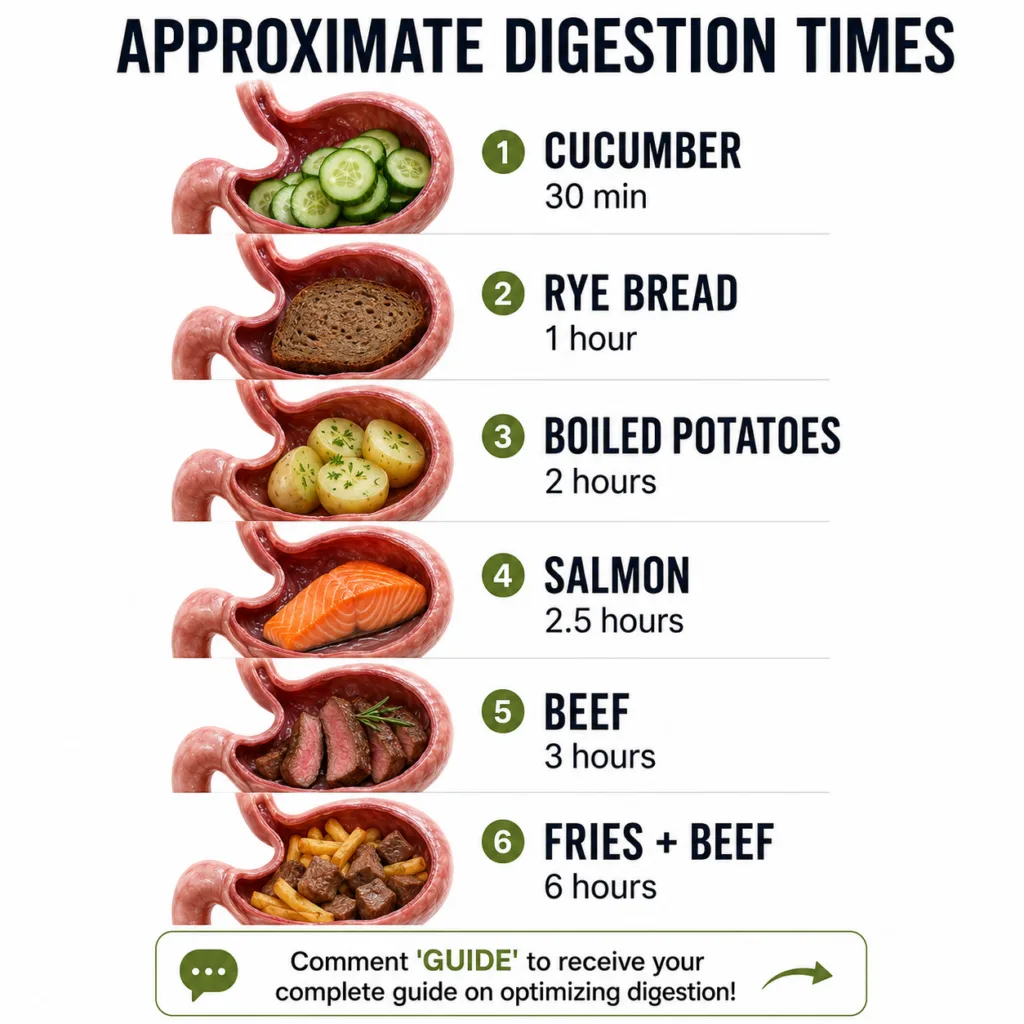
Quick & Light: Foods that Digest in Under an Hour
Some foods are designed for rapid absorption, providing a quick burst of energy and hydration. These are perfect for when you need a gentle pick-me-up without feeling heavy.
30 Minutes: Cucumber, Watermelon, Tomatoes, Oranges
These hydrating powerhouses are primarily composed of water, alongside easily digestible sugars and fiber. Their high water content aids in quick transport through the digestive system, making them excellent choices for:
- Instant Hydration: Replenish fluids quickly, especially after exercise.
- Rapid Energy: The natural sugars offer a fast energy source, ideal for a mid-morning snack or pre-workout fuel.
- Gentle on the Gut: Light and easy, they won’t weigh you down.
40 Minutes: Leafy Greens, Avocado, Bell Peppers, Berries
While still relatively fast to digest, these foods introduce more fiber, vitamins, and healthy fats (in the case of avocado), which slightly extend their digestion time compared to the water-rich fruits. They offer:
- Nutrient Density: A wealth of vitamins, minerals, and antioxidants.
- Slightly More Sustained Energy: The fiber and healthy fats help stabilize blood sugar compared to simple sugars alone.
- Digestive Support: Fiber is crucial for maintaining a healthy digestive system.
The Middle Ground: Moderate Digestion for Balanced Energy
These foods offer a balanced approach, providing sustained energy without feeling too heavy or causing rapid blood sugar spikes. They’re excellent for main meals.
1 Hour: Eggs, Fish, Chicken
Lean proteins like eggs, fish, and chicken are staples for a reason. Protein takes longer to digest than carbohydrates but is absorbed more efficiently than fatty, dense meats. Their 1-hour digestion time means they provide:
- Sustained Satiety: Protein helps you feel full longer, curbing cravings.
- Muscle Support: Essential for repair and growth, making them ideal post-workout or for a high protein breakfast.
- Stable Energy: Without significant carbohydrates, they don’t cause blood sugar swings.
Consider incorporating these into your healthy meal prep ideas for consistent protein intake.
1 Hour 30 Minutes: Sweet Potatoes, Brown Rice, Oats
These are examples of complex carbohydrates, rich in fiber, which contributes to their slightly longer digestion time. They are fantastic for:
- Long-Lasting Energy: The complex carbohydrates break down slowly, releasing glucose steadily into the bloodstream.
- Enhanced Satiety: The fiber content helps you feel fuller for longer.
- Nutrient Boost: Packed with essential vitamins and minerals.
Oats are particularly versatile; try them in overnight oats for an easy, nutritious breakfast.
The Long Haul: Foods Requiring More Digestive Effort
These foods, while sometimes nutrient-dense, require significant digestive effort. Understanding their digestion times can help you plan your meals to avoid feeling sluggish.
3-4 Hours: Beef, Lamb
Red meats like beef and lamb are denser in protein and often higher in fat, demanding a more extended breakdown process. While they offer rich nutrients like iron and B vitamins, their digestion means:
- Extended Satiety: You’ll feel full for many hours due to the slow processing.
- Potential Heaviness: May leave you feeling full and less energetic if consumed in large quantities, especially close to bedtime.
5+ Hours: Fries, Pizza, Burgers
Processed and high-fat foods, often referred to as ‘junk food,’ are the most challenging for your digestive system. Their complex combination of unhealthy fats, refined carbohydrates, and often lower fiber content leads to:
- Significant Digestive Burden: Your body works harder and longer to process these, diverting energy from other functions.
- Energy Crashes: The combination can lead to initial sugar spikes followed by crashes, leaving you feeling tired and sluggish.
- Discomfort: Can often cause bloating, gas, and general digestive discomfort.
Why Digestion Time Matters for Your Energy & Performance
Understanding food digestion times isn’t just a fun fact; it’s a practical tool for optimizing your daily life. By strategically choosing foods based on how quickly they digest, you can:
- Maintain Consistent Energy: Opt for moderate-digesting foods for sustained energy throughout your workday or activities.
- Improve Focus and Productivity: Avoid heavy meals that divert energy to digestion, leaving you feeling sluggish and less alert.
- Optimize Pre- and Post-Workout Nutrition: Choose fast-digesting options before a workout for quick fuel, and lean proteins afterward for muscle recovery.
- Enhance Sleep Quality: Avoid heavy, slow-digesting foods close to bedtime to allow your body to focus on rest, not digestion.
- Support Digestive Health: Giving your digestive system appropriate breaks by not constantly overburdening it can contribute to better overall gut health.
FAQs About Food Digestion
Q: How can I speed up my digestion?
A: While you can’t drastically alter the inherent digestion times of foods, you can support efficient digestion by staying hydrated, eating fiber-rich foods, engaging in regular physical activity, managing stress, and practicing mindful eating (chewing food thoroughly).
Q: Does everyone digest food at the same rate?
A: No, digestion times can vary significantly between individuals. Factors like metabolism, age, gender, activity level, gut microbiome, and individual sensitivities can all play a role.
Q: Is it bad to eat slow-digesting foods?
A: Not necessarily. Slow-digesting foods, especially nutrient-dense ones like lean red meat, can provide prolonged satiety and essential nutrients. The key is moderation and timing. Consuming them earlier in the day might be preferable for some to avoid evening sluggishness.
Q: What are the best foods for digestion?
A: Foods rich in fiber, probiotics (like yogurt, kimchi), and adequate hydration are generally considered good for digestion. Whole grains, fruits, vegetables, and lean proteins all contribute to a healthy digestive system.
Final Thoughts
The journey of food through your body is a complex and fascinating process. By becoming more aware of food digestion times, you gain valuable insight into how different meals impact your energy, mood, and overall well-being. This knowledge empowers you to make informed choices that not only satisfy your hunger but also truly fuel your body for optimal daily performance and a vibrant, healthy life.