Most people ignore this low-lying green plant, often dismissing it as just another weed. Yet, this unassuming botanical, known as Euphorbia hirta or the Asthma-plant, holds a significant place in traditional herbal practices across the globe. You might walk past it every day in your garden or a nearby field, completely unaware of its hidden significance and surprising uses as a natural remedy.
Many common plants near us possess a wealth of beneficial properties that have been utilized for centuries. This particular spurge, often called Garden Spurge or Snakeweed, is a prime example of nature’s simple yet potent offerings. Let’s delve into how to identify, prepare, and responsibly use this remarkable plant.

What is Euphorbia Hirta?
Euphorbia hirta, commonly known as Asthma-plant, Garden Spurge, or sometimes Snakeweed, is a pantropical weed belonging to the Euphorbiaceae family. It’s recognizable by its reddish-green stems, often hairy, and small, oppositely arranged leaves. The most distinctive feature are its tiny, clustered, greenish-white or pinkish flowers that grow in dense, spherical heads in the leaf axils. It thrives in disturbed areas like roadsides, lawns, gardens, and waste grounds.
Traditionally, it has been revered for its diverse medicinal properties, particularly in treating respiratory ailments, skin conditions, and digestive issues. Its prevalence makes it an accessible, yet often overlooked, natural resource.
Ingredients for a Simple Asthma-Plant Tea
- Fresh or dried Euphorbia hirta plant material (leaves, stems, flowers)
- Water
Approximate Measurements
- For fresh plant material: 1-2 tablespoons chopped plant per 1 cup (240ml) of water
- For dried plant material: 1-2 teaspoons dried plant per 1 cup (240ml) of water
Formula / Recipe: Asthma-Plant Infusion
The most common and effective way to harness the benefits of Euphorbia hirta is through a simple herbal infusion (tea). This method extracts the water-soluble compounds, making them readily available for consumption.
Step-by-Step Method
- Harvest or Prepare: If using fresh plant material, rinse it thoroughly under cold water to remove any dirt or insects. Chop the entire aerial part of the plant (leaves, stems, flowers) into small pieces. If using dried, ensure it’s clean and free from debris.
- Measure: Place the measured fresh or dried plant material into a mug or teapot.
- Heat Water: Bring fresh water to a boil.
- Infuse: Pour the boiling water over the plant material.
- Steep: Cover the mug or teapot to prevent the volatile compounds from escaping. Let it steep for 10-15 minutes. For a stronger brew, you can steep a little longer, but avoid exceeding 20 minutes to prevent bitterness.
- Strain: Strain the liquid through a fine-mesh sieve or cheesecloth into another mug, discarding the plant material.
- Serve: Allow it to cool slightly before drinking. You can add a touch of honey or lemon if desired, though it’s best consumed plain to appreciate its natural flavor.
Quick Tip: A covered steeping process is crucial for retaining the beneficial volatile oils and compounds. Don’t skip this step!
How to Use
This Euphorbia hirta infusion is traditionally used internally. Its primary traditional applications include:
- Respiratory Support: For coughs, bronchitis, and as a supportive remedy for asthma due to its potential bronchodilatory and expectorant properties.
- Digestive Aid: Historically used for dysentery and diarrhea due to its astringent qualities.
- Skin Issues: Sometimes used topically as a compress for wounds or skin irritations, though internal use is more common.
How Often to Use
For general support, one cup, 1-2 times daily, is a common traditional recommendation. For more acute, short-term issues, it might be taken 2-3 times a day. However, it’s generally advised not to use it continuously for very long periods (more than a few weeks) without a break or professional guidance. Listen to your body and adjust frequency as needed.
How to Buy / How to Choose Ingredients
Since Euphorbia hirta is a common weed, many choose to forage for it. If foraging:
- Identification: Be 100% certain of your identification. Misidentification can be dangerous. Familiarize yourself with detailed botanical descriptions and images.
- Location: Harvest from areas free of pesticides, herbicides, pollution (e.g., roadsides with heavy traffic), and animal waste. Clean, wild areas are best.
- Freshness: Choose healthy, vibrant green plants without signs of disease or pest damage.
If you prefer to buy, look for dried Euphorbia hirta from reputable herbal suppliers who can verify its origin and purity. Ensure it’s organically grown and properly dried.
Fresh vs. Dried Euphorbia Hirta
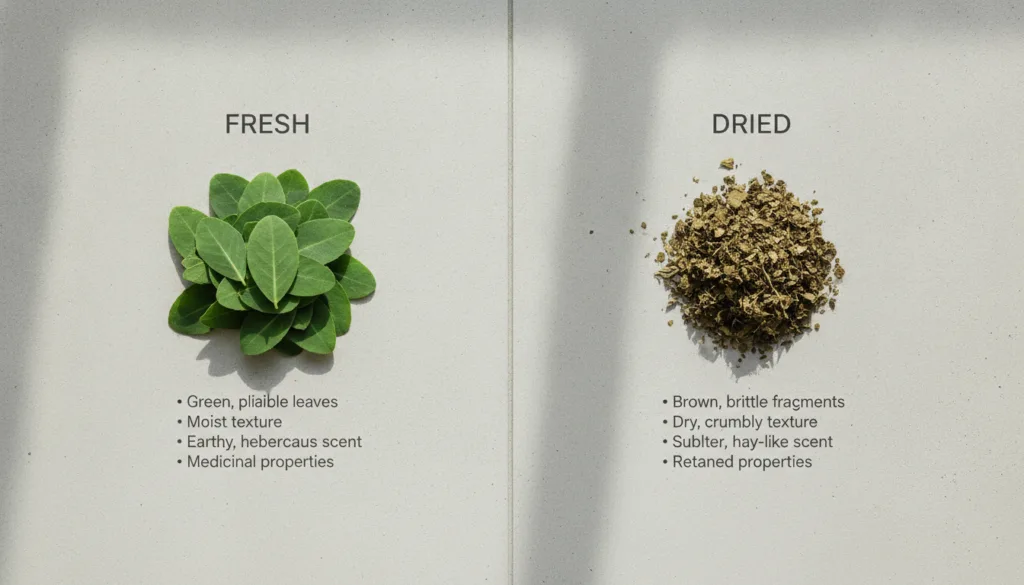
| Feature | Fresh Euphorbia hirta | Dried Euphorbia hirta |
|---|---|---|
| Availability | Seasonal (warm months) | Year-round |
| Potency | Often considered stronger by some herbalists; requires more material | Concentrated; requires less material |
| Preparation | Wash, chop immediately before use | Ready to use; may need light crushing |
| Storage | Short-term (refrigerate for a few days); best used fresh | Long-term (up to 1 year) in airtight container |
| Flavor | Fresher, sometimes more herbaceous | Earthier, slightly more concentrated |
Storage
- Fresh Plant: After harvesting, wash and pat dry. Wrap in a damp paper towel and place in a perforated plastic bag in the refrigerator for up to 3-5 days. Best used immediately.
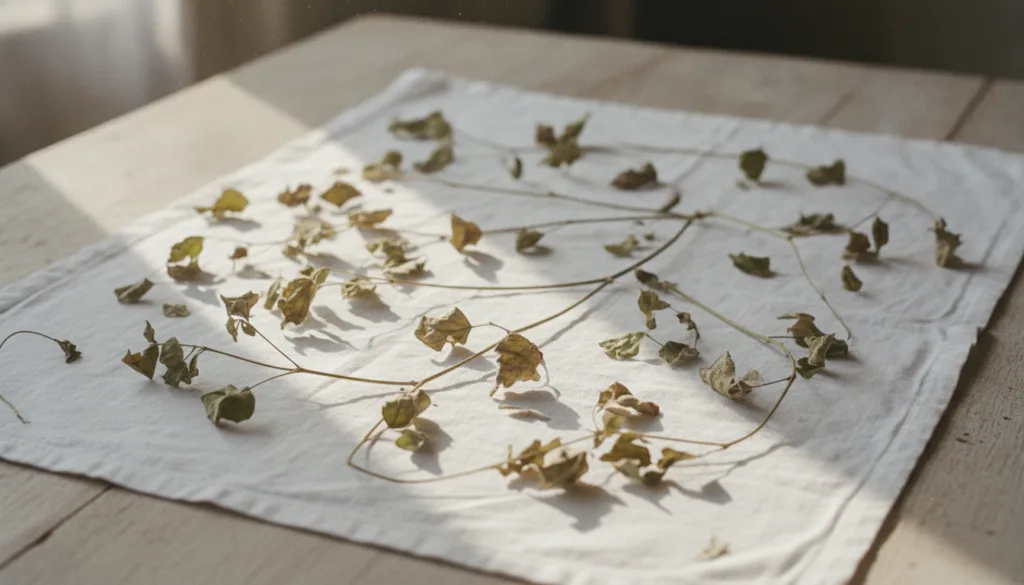
- Dried Plant: Ensure the plant is completely dry before storage to prevent mold. Store in an airtight glass jar away from direct sunlight, heat, and humidity. It can last for up to one year.
- Prepared Tea: Best consumed fresh. If you have leftovers, store in an airtight container in the refrigerator for up to 24 hours. Reheat gently or consume cold.
Practical Tips
- Harvesting Time: The best time to harvest is during dry weather, preferably in the morning after the dew has evaporated but before the intense midday sun.
- Purity Check: Always double-check the area where you forage for any signs of spraying or contamination.
- Start Small: If you’re new to using this plant, begin with a smaller dosage to assess your body’s reaction before increasing.
Common Mistakes
- Misidentification: This is the most crucial mistake. Many spurges look similar, and some can be toxic. Always confirm your plant ID with multiple reliable sources.
- Harvesting Contaminated Plants: Using plants from polluted areas or those sprayed with chemicals can introduce harmful substances into your remedy.
- Boiling Instead of Steeping: Boiling delicate plant material can destroy some beneficial compounds. Infusion (steeping in hot water) is generally preferred for leaves and flowers.
- Improper Drying: Not drying the plant material thoroughly before storage can lead to mold growth, making it unsafe to use.
- Ignoring Cautions: Overlooking potential interactions or contraindications can lead to adverse effects.
Cautions / Who Should Avoid It
While traditionally used, it’s essential to exercise caution:
- Pregnancy and Breastfeeding: There is insufficient research on its safety during pregnancy and lactation. It’s best to avoid use.
- Children: Consult with a healthcare professional before administering to young children.
- Allergies: Individuals with known allergies to plants in the Euphorbiaceae family should avoid it.
- Latex Sensitivity: Euphorbia hirta, like many spurges, produces a milky white latex sap when cut. This sap can be irritating to skin and eyes and is toxic if ingested directly. Handle with gloves if you have sensitive skin and avoid contact with eyes.
- Medication Interactions: Consult a healthcare professional if you are on any medications, particularly those for blood pressure, blood clotting, or diabetes, as it might interact.
- Internal Use of Sap: Never ingest the raw latex sap directly. Always prepare as an infusion or decoction.
Quick Summary
- Best Preparation: Infusion (tea) from fresh or dried aerial parts.
- Best Use-Case: Traditionally for respiratory support (coughs, mild asthma, bronchitis) and some digestive issues.
- Storage: Fresh in fridge for days, dried in airtight jar for up to a year, tea for 24 hours in fridge.
- When to Use: For short-term relief of mentioned symptoms.
- What to Avoid: Misidentification, contaminated plants, raw sap, continuous long-term use, use during pregnancy/breastfeeding.
FAQ
- Can I use fresh or dried Euphorbia hirta?
Both can be used. Fresh is often preferred for immediate use, while dried is convenient for long-term storage and year-round access. Adjust quantities accordingly. - How long does the prepared tea last?
For optimal potency and safety, consume the tea within 24 hours if refrigerated. - Can I refrigerate the fresh plant?
Yes, fresh plant material can be stored in the refrigerator for 3-5 days, wrapped in a damp paper towel within a perforated bag. - How often should I use Euphorbia hirta tea?
Typically, 1-2 cups per day, potentially 2-3 times daily for acute issues, but not for prolonged continuous periods. - What part of the plant is best to use?
The entire aerial part (leaves, stems, flowers) is traditionally used for infusions. - Can I reuse the plant material for another brew?
It’s generally not recommended as most of the beneficial compounds would have been extracted in the first brew, resulting in a much weaker second infusion. - When should I avoid Euphorbia hirta?
Avoid if pregnant, breastfeeding, allergic to spurges, or if you have certain medical conditions or are on specific medications. Always consult a healthcare provider.
You may also like: Natural Cough Remedies: A Honey & Ginger Elixir Guide
Read more: Effective DIY Methods for Drying Your Herbs at Home
Conclusion
The humble Euphorbia hirta, often dismissed as a mere weed, serves as a powerful reminder that significant remedies often lie hidden in plain sight. By understanding its identity, proper preparation, and responsible use, we can tap into a long-standing tradition of natural healing. Always approach foraging with caution and ensure accurate identification to safely unlock the potential of this remarkable plant.