Your arteries are truly only as young as what you eat and how you live. Understanding what helps and hurts your cardiovascular health is key to a long, vibrant life. Our arteries, the vital highways that transport oxygen and nutrient-rich blood throughout our bodies, can become compromised over time by plaque buildup, leading to restricted blood flow and serious health concerns. Protecting them starts with informed daily choices.
This guide will help you discover simple, actionable ways to support clear arteries and optimal circulation. We’ll explore common culprits that can hinder arterial health and highlight beneficial foods and lifestyle practices that contribute to a strong, healthy heart and robust blood flow.
By making conscious decisions about your diet and daily habits, you can significantly impact the health and longevity of your cardiovascular system.
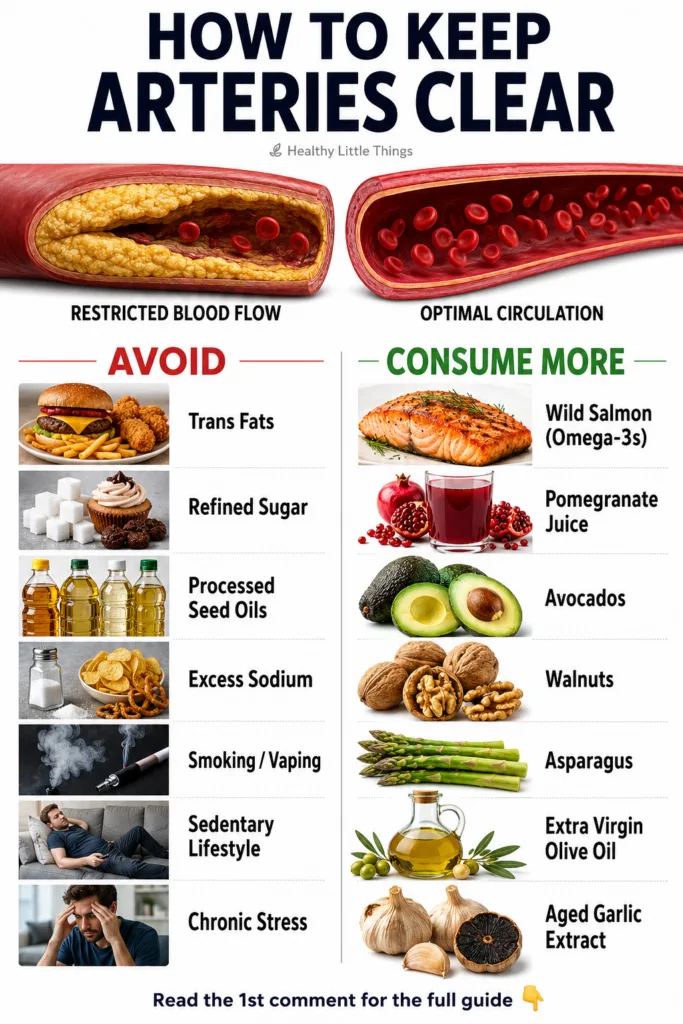
Factors to Avoid for Clear Arteries
Certain dietary choices and lifestyle habits can significantly contribute to arterial plaque buildup and reduced blood flow. Minimizing or eliminating these factors is a crucial step in maintaining a healthy cardiovascular system.
Trans Fats
Trans fats, often found in highly processed and fried foods, are notorious for their detrimental effects on heart health. They raise levels of low-density lipoprotein (LDL) cholesterol, often referred to as “bad” cholesterol, while simultaneously lowering high-density lipoprotein (HDL) cholesterol, or “good” cholesterol. This imbalance significantly increases the risk of plaque formation in the arteries. Check food labels for “partially hydrogenated oil” to identify hidden trans fats.
Refined Sugar
Beyond contributing to weight gain, excessive consumption of refined sugar can lead to inflammation throughout the body, insulin resistance, and direct damage to blood vessel walls. This inflammatory response and cellular damage create an environment conducive to arterial stiffness and plaque development. Limiting sugary drinks, pastries, and processed snacks is essential.
Processed Seed Oils
While some fats are crucial for health, processed seed oils like soybean, corn, sunflower, and safflower oil are high in omega-6 fatty acids. When consumed in excess, especially without a balanced intake of omega-3s, and particularly when heated to high temperatures during processing or cooking, these oils can promote inflammation, which is a key contributor to arterial damage and plaque buildup.
Excess Sodium
A diet high in sodium is directly linked to elevated blood pressure. High blood pressure puts increased strain on your arterial walls, making them more susceptible to damage and the accumulation of plaque. Reducing your intake of highly processed foods, canned goods, and restaurant meals can help lower your sodium intake and support healthy blood pressure levels.
Smoking and Vaping
Smoking and vaping are among the most harmful habits for arterial health. The chemicals in tobacco and vaping products directly damage the inner lining of blood vessels, making them more prone to plaque buildup. They also reduce the oxygen-carrying capacity of blood, increase blood clot formation, and contribute to higher blood pressure, dramatically accelerating the process of atherosclerosis.
Sedentary Lifestyle
A lack of regular physical activity contributes to several risk factors for poor arterial health, including obesity, high blood pressure, high cholesterol, and insulin resistance. Regular exercise helps improve circulation, strengthen the heart, manage weight, and maintain the flexibility and health of your arteries.
Chronic Stress
Prolonged or chronic stress triggers a cascade of physiological responses, including the release of stress hormones like cortisol and adrenaline. Over time, these hormones can lead to increased inflammation, higher blood pressure, and elevated cholesterol levels, all of which are detrimental to arterial health and can accelerate plaque formation.
Foods and Habits to Consume More for Arterial Health
Just as some factors harm your arteries, many foods and practices can actively protect and even improve their health. Incorporating these into your daily routine can significantly enhance cardiovascular wellness.
Wild Salmon (and other Fatty Fish)
Wild salmon, along with other fatty fish like mackerel and sardines, are excellent sources of omega-3 fatty acids. These essential fats are renowned for their anti-inflammatory properties, their ability to lower triglyceride levels, and their positive impact on endothelial function—the health of the inner lining of your blood vessels. Aim for two servings per week.
Pomegranate Juice
Pomegranate juice is rich in potent antioxidants, particularly polyphenols. Research suggests that these compounds may help protect arteries from oxidative damage, reduce inflammation, and potentially slow the progression of plaque buildup. Look for 100% pure pomegranate juice without added sugars.
Avocados
Avocados are a powerhouse of heart-healthy monounsaturated fats, which can help lower LDL (“bad”) cholesterol levels. They also provide fiber, which aids in cholesterol management, and potassium, an important mineral that helps regulate blood pressure. Adding avocado to salads, sandwiches, or as a snack can contribute significantly to arterial health.
Walnuts
Walnuts stand out among nuts for their high content of alpha-linolenic acid (ALA), a plant-based omega-3 fatty acid. They also offer a rich array of antioxidants and healthy fats that can help reduce inflammation, improve blood vessel elasticity, and support overall cardiovascular function.
Asparagus
This versatile vegetable is packed with fiber, vitamins (like K, C, E, and B vitamins, including folate), and minerals. Asparagus is known for its mild diuretic properties, which can help maintain healthy fluid balance and potentially support blood pressure regulation. Its antioxidant content also contributes to combating oxidative stress that can harm arteries.
Extra Virgin Olive Oil
A cornerstone of the Mediterranean diet, extra virgin olive oil is loaded with monounsaturated fatty acids and powerful antioxidants called polyphenols. These components work together to reduce inflammation, protect LDL cholesterol from oxidation, and improve endothelial function, making it an excellent choice for supporting arterial health. When choosing, look for high-quality, cold-pressed extra virgin olive oil.
Aged Garlic Extract
Aged garlic extract is a unique form of garlic preparation that contains beneficial sulfur compounds. Studies suggest it may help improve blood pressure, lower cholesterol levels, and inhibit the formation of arterial plaque. It’s often consumed as a supplement and is recognized for its cardiovascular protective effects.
Final Thoughts
Taking proactive steps to keep your arteries clear is one of the most impactful choices you can make for your long-term health. By being mindful of the foods you consume and the lifestyle habits you adopt, you can significantly reduce your risk of cardiovascular disease. Embrace wholesome, nutrient-rich foods, minimize processed items, and prioritize physical activity and stress management. Your heart and arteries will thank you for it, ensuring you enjoy a vibrant and healthy life for years to come.
Medical Disclaimer
The information provided in this article is for educational and informational purposes only and is not intended as medical advice. Always consult with a qualified healthcare professional before making any changes to your diet, exercise routine, or treatment plan, especially if you have an existing medical condition.