Unlock the Unexpected: How This Garden Plant Traditionally Supports Vision
Many of us experience the subtle shifts in our vision as we age, or perhaps find ourselves squinting more often than we’d like. The quest for clear, comfortable sight is a journey countless individuals undertake, often leading them down conventional paths. But what if a simple, unassuming helper was growing right under our noses?
Traditional wisdom often points us towards nature’s abundant larder for answers to common ailments, and eye health is no exception. This particular garden plant, with its delicate blossoms, has been whispered about in certain circles for its potential to support eye vitality and address concerns like the clouding that can sometimes affect vision.
Most people never realize this works because they often overlook the gentle, yet persistent, power of plants that have been a part of folk remedies for generations, believing that complex problems require equally complex solutions.
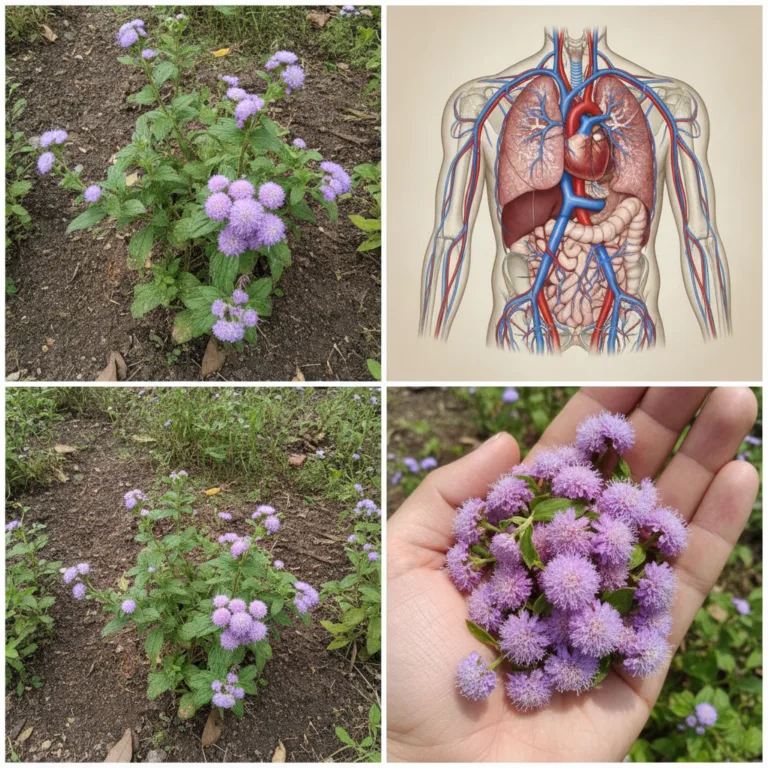
Ingredients
- 1 tablespoon dried flowers and leaves of the garden plant (or 2 tablespoons fresh)
- 1 cup filtered water
- Optional: A tiny pinch of honey for taste
How to Prepare
- Carefully gather or measure your dried (or fresh) plant material. Ensure the plant is correctly identified and free from pesticides or contaminants.
- Bring 1 cup of filtered water to a rolling boil in a small pot.
- Remove the pot from the heat and add the plant material directly into the hot water.
- Cover the pot and allow it to steep for 10-15 minutes. This gentle infusion process helps to extract the beneficial compounds without over-extracting bitter notes.
- Strain the liquid through a fine-mesh sieve or cheesecloth into a clean cup.
How to Use + Best Time to Take
For general wellness support, you may consider enjoying this infusion once daily. Some find it pleasant to drink in the morning to start their day, or in the evening as a calming ritual. For those specifically addressing eye comfort, a cooled infusion can also be used externally as a gentle compress:
- Internal Use: Sip the warm tea at your leisure.
- External Use (Compress): After brewing and straining, allow the liquid to cool completely. Soak a clean cotton pad or cloth in the cooled infusion, gently squeeze out excess liquid, and place it over closed eyelids for 5-10 minutes. This can offer a soothing sensation.
Always observe how your body responds and adjust usage as needed. Remember, consistency is key when incorporating traditional remedies into your routine.
Why It Works (Science Insight)
While specific research on every traditional plant’s exact mechanism of action for vision can be ongoing, many plants traditionally valued for eye health share common characteristics. They are often rich in certain compounds that support cellular well-being and help the body manage various forms of stress. For instance, many beneficial botanicals contain:
- Antioxidants: These powerful compounds, such as flavonoids and polyphenols, help to neutralize free radicals that can contribute to oxidative stress throughout the body, including in delicate eye tissues.
- Anti-inflammatory properties: Reducing inflammation is crucial for overall health, and certain plant compounds can help modulate the body’s inflammatory responses, potentially supporting ocular comfort.
- Vitamins and Minerals: While not a ‘cure,’ some plants naturally contain trace amounts of vitamins and minerals vital for general eye health, such as Vitamin C or zinc, which play roles in maintaining tissue integrity and visual function.
It’s important to understand that traditional plant wisdom often emphasizes holistic support, where the plant contributes to overall systemic balance, which in turn benefits specific organs like the eyes. This isn’t about isolated compounds, but the synergistic effect of the plant’s full profile.
Who Benefits Most
This traditional approach may appeal to individuals who are:
- Curious about integrating natural, plant-based methods into their wellness routine.
- Seeking gentle, supportive remedies for general eye health and comfort.
- Interested in complementary practices alongside conventional eye care.
- Appreciative of ancestral knowledge and herbal traditions.
It’s particularly suited for those who understand that wellness is a journey, not a quick fix, and who are patient in observing the body’s subtle responses to natural support.
Quick Notes / Safety / Simple Adjustments
- Consult Your Doctor: Before introducing any new herbal remedy, especially if you have pre-existing eye conditions like cataracts, glaucoma, or are on medication, it is paramount to consult with your healthcare provider or an ophthalmologist. This infusion is intended as a supportive measure, not a replacement for professional medical advice or treatment.
- Plant Identification: Always ensure you have correctly identified the plant. Misidentification can lead to consuming toxic substances. If foraging, be absolutely certain of your identification skills.
- Allergy Awareness: If you have allergies to other plants in the same family, proceed with caution or avoid use. Perform a patch test for external application if you have sensitive skin.
- Storage: Prepare fresh infusions as needed. Do not store prepared tea for more than 24 hours, even refrigerated.
- Adjustments: If the taste is too strong, dilute with more water. For a milder infusion, reduce steeping time.
Embrace these traditions with respect and informed caution, always prioritizing your health and safety.