Unlock the Unexpected: This Humble Garden “Weed” May Be Your Vision’s Secret Ally
Are you among the many who experience occasional blurry vision, eye strain after a long day, or simply worry about maintaining sharp eyesight as you age? The health of our eyes is paramount, yet often we overlook the simple, natural support that might be growing right under our noses. While modern life often pulls us towards complex solutions, sometimes the most profound remedies lie in the unexpected places, even in what many dismiss as a common garden ‘weed.’
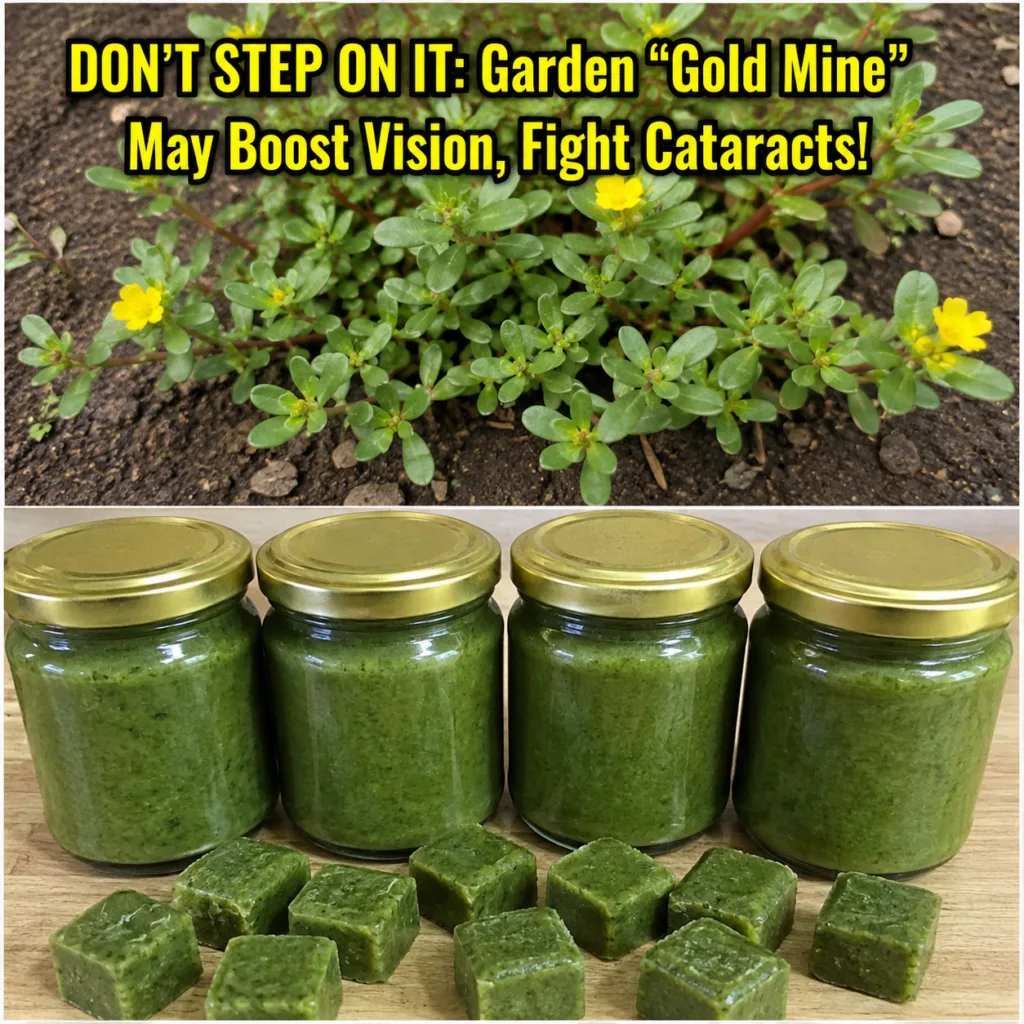
We’re talking about purslane, a verdant plant often found thriving in gardens and cracks in pavements. Most people never realize this works because they mistake it for a nuisance rather than a nutritional powerhouse with potential benefits for vision and overall eye health.
Ingredients
- 1 cup fresh purslane leaves and tender stems, thoroughly washed
- 1/4 cup filtered water (adjust as needed for desired consistency)
How to Prepare
Preparing a simple purslane tonic or paste is surprisingly straightforward:
- After thoroughly washing your purslane, roughly chop the leaves and tender stems.
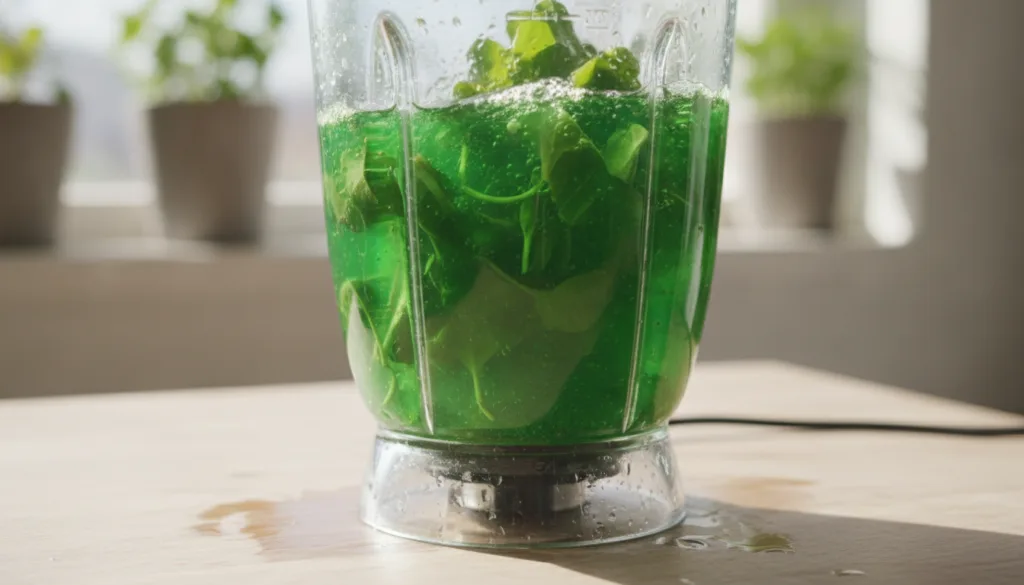
- Place the chopped purslane in a blender with 1/4 cup of filtered water.
- Blend until you achieve a smooth, consistent liquid or a thick paste, depending on your preference. You may need to add a tiny bit more water if your blender struggles, but aim for the least amount necessary to maintain potency.
- Strain the liquid through a fine-mesh sieve or cheesecloth if you prefer a clear juice, or keep the pulp for a richer, fibrous paste.
The entire preparation process takes less than 5 minutes.
How to Use + Best Time to Take
You can consume this purslane preparation in several ways:
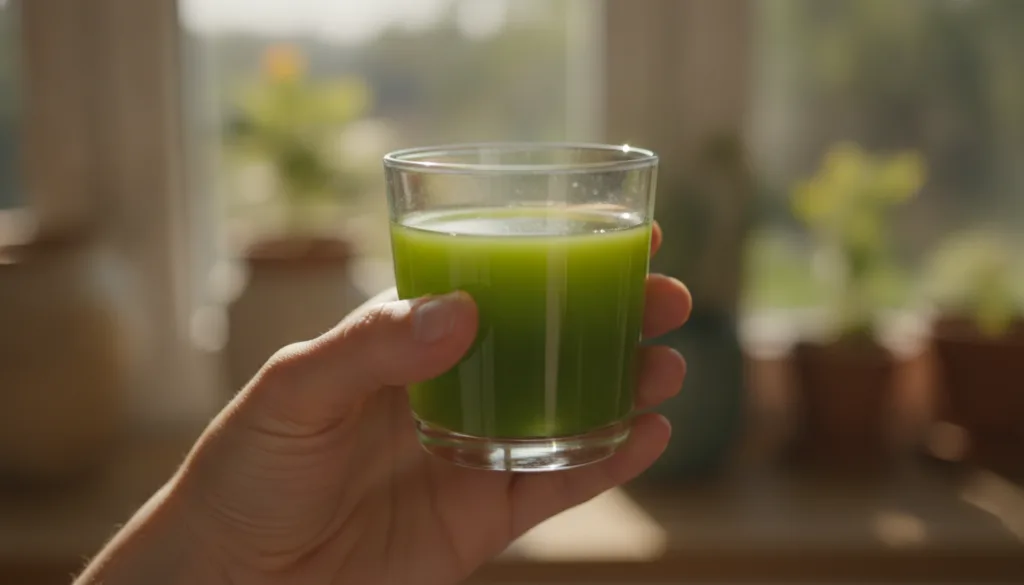
- As a refreshing drink: Mix the strained juice with a bit of honey or a squeeze of lemon. Enjoy in the morning before breakfast to kickstart your day.
- As a concentrated shot: Take a tablespoon of the undiluted liquid or paste daily. Many find it beneficial after meals.
- Added to smoothies: Blend the purslane paste into your favorite fruit or vegetable smoothie for an added nutritional boost. This can be enjoyed anytime.
Consistency is key for observing any potential benefits.
Why It Works (Science Insight)
Purslane, scientifically known as Portulaca oleracea, is celebrated for its impressive nutritional profile. It’s often hailed as one of the richest plant sources of Omega-3 fatty acids, typically found in fish. These essential fatty acids are crucial for maintaining healthy cell membranes throughout the body, including the delicate cells of the retina, and are known to support overall inflammatory balance.
Beyond Omega-3s, purslane is packed with potent antioxidants like Vitamin A (in the form of beta-carotenes), Vitamin C, and Vitamin E. Beta-carotene is a precursor to Vitamin A, which is vital for good vision, especially in low light, and plays a role in protecting the eye’s surface. Antioxidants help combat oxidative stress, which is a key factor in cellular aging and can impact eye health over time. The presence of other beneficial compounds like glutathione further strengthens its potential in supporting cellular defense mechanisms and vitality.
Who Benefits Most
Those who might benefit most from incorporating purslane into their diet include:
- Individuals looking for natural ways to support their overall eye health.
- People interested in increasing their intake of plant-based Omega-3 fatty acids and antioxidants.
- Anyone seeking to enhance their general well-being through nutrient-dense green foods.
- Those exploring traditional remedies for maintaining vision clarity and protecting against age-related eye concerns.
Quick Notes / Safety / Simple Adjustments
- Source Responsibly: When foraging, ensure you can accurately identify purslane and that it has not been sprayed with pesticides or grown in contaminated soil.
- Oxalates: Purslane contains oxalates, which can be a concern for individuals prone to kidney stones. If this applies to you, consume in moderation or consult with a healthcare professional. Boiling purslane can reduce oxalate levels.
- Consult Your Doctor: While purslane is generally considered safe for consumption, always consult with a healthcare professional, especially if you have underlying health conditions, are pregnant or breastfeeding, or are taking medications.
- Taste Adjustment: Purslane has a slightly tart, lemony, and peppery taste. If the raw taste is too strong for you, try blanching it quickly before blending, or mix it with sweeter fruits in smoothies.
- Storage: The fresh liquid or paste can be stored in an airtight container in the refrigerator for up to 2-3 days, or frozen into ice cubes for longer preservation, as depicted in traditional practices.