Do you often find your eyes feeling strained after a long day in front of screens, or perhaps you’re simply curious about traditional methods to maintain healthy vision as you age? Many people experience a myriad of eye discomforts, from dryness and irritation to a general feeling of fatigue. While modern life often exacerbates these issues, nature holds a surprising array of remedies that have been cherished for centuries.
This common plant, often overlooked, has a rich history in folk medicine for its intriguing connection to eye health. Most people never realize this works because its gentle power isn’t as loudly advertised as conventional solutions, yet its lore speaks volumes about its potential to support your precious eyesight.
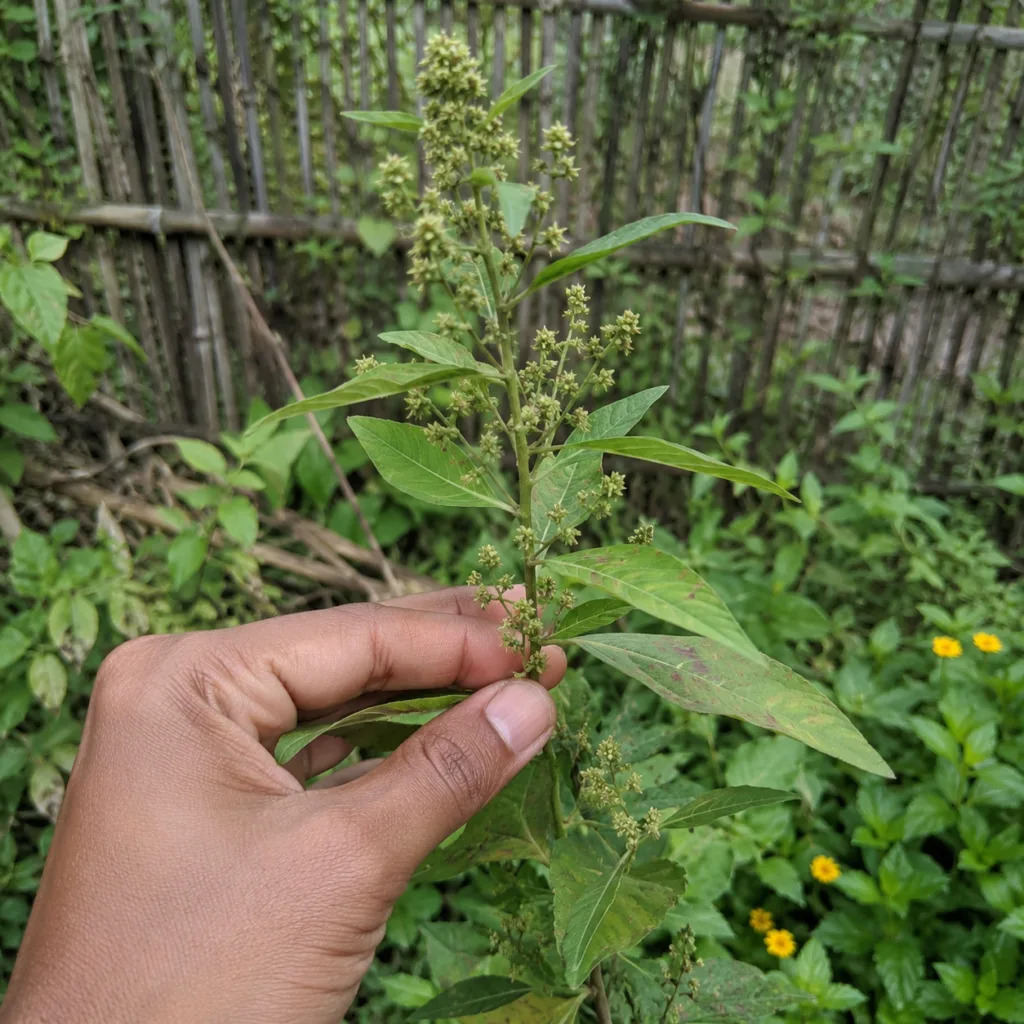
Ingredients
- 1-2 teaspoons dried Eyebright herb (Euphrasia officinalis)
- 1 cup filtered water
- Optional: Pinch of unrefined sea salt (for eyewash, not internal use)
How to Prepare
For Eyebright Tea (Internal Use):
- Bring 1 cup of filtered water to a boil.
- Remove from heat and add 1-2 teaspoons of dried Eyebright herb.
- Cover the cup and let it steep for 5-10 minutes.
- Strain the tea through a fine-mesh sieve or cheesecloth to remove all plant particles. Let it cool slightly before drinking.
For Eyebright Compress/Eyewash (External Use):
- Prepare the tea as described above, but allow it to cool completely to room temperature.
- For an eyewash, you may add a tiny pinch of unrefined sea salt (about 1/8 teaspoon per cup) to create an isotonic solution, making it gentler for the eyes. Ensure the salt is fully dissolved.
- Strain the liquid meticulously multiple times to ensure no plant particulate remains. This is crucial for eye safety.
How to Use + Best Time to Take
Eyebright Tea (Internal Use):
Drink one cup, once or twice daily. Many find it beneficial to take in the morning to start the day with support, or in the evening to wind down. Consistency is key for traditional remedies.
Eyebright Compress/Eyewash (External Use):
For a compress: Soak a clean cotton pad or cloth in the cooled, strained solution. Wring out any excess liquid and place it over your closed eyelids for 10-15 minutes. This can be particularly soothing after meals, before bed, or during moments of eye irritation.
For an eyewash: Use a sterile eye cup. Fill it with the cooled, strained solution. Place the cup over your eye, tilt your head back, and blink several times. Do this once or twice a day, especially during times of eye strain or mild discomfort. Always use a fresh solution for each application and ensure the eye cup is thoroughly cleaned.
Why It Works (Science Insight)
Eyebright (Euphrasia officinalis) has been traditionally valued for its astringent and anti-inflammatory properties, which may contribute to its historical use for eye conditions. The plant contains a complex array of beneficial compounds, including:
- Iridoid Glycosides (e.g., Aucubin): These compounds are believed to contribute to the herb’s anti-inflammatory and antiseptic effects. Inflammation can be a factor in various eye discomforts, so modulating this response may offer relief.
- Flavonoids: Known for their antioxidant properties, flavonoids help protect cells from oxidative stress. This protective action is thought to be beneficial for delicate eye tissues.
- Tannins: These compounds give Eyebright its astringent quality, which may help to tighten and tone tissues, potentially reducing redness and swelling in the eyes.
While specific modern research on Eyebright’s direct impact on conditions like cataracts is still emerging and not definitive, traditional wisdom suggests its holistic approach may support overall eye comfort and health, promoting a feeling of clarity and soothing irritated eyes.
Who Benefits Most
This natural approach may benefit individuals experiencing:
- Occasional eye strain from prolonged screen use or reading.
- Mild eye irritation or dryness.
- Redness or puffiness around the eyes due to environmental factors or fatigue.
- Those seeking a gentle, traditional herbal support for overall eye wellness.
It is particularly appealing to those who appreciate herbal traditions and seek complementary ways to maintain eye comfort.
Quick Notes / Safety / Simple Adjustments
- Purity is Paramount: When preparing an eyewash, always strain the solution meticulously to ensure no plant particles remain, as these could irritate the eye.
- Sterilization: For external eye applications, use sterile water if possible and ensure all equipment (cups, cloths) is clean to prevent introducing bacteria.
- Freshness: Prepare a fresh batch of eyewash or compress solution daily; do not store it for extended periods.
- Not a Replacement: Eyebright is a traditional remedy for comfort and support. It is not a substitute for professional medical advice or treatment for serious eye conditions, including cataracts.
- Consult Your Doctor: If you have any existing eye conditions, are pregnant or breastfeeding, or are taking medication, consult with a healthcare professional before incorporating Eyebright into your routine.
- Patch Test: For external use, perform a small patch test on your skin first to check for any allergic reactions.
- Adjust Strength: If the tea is too strong, reduce the amount of herb used or steep for a shorter time.