Tomato Truths: Your Guide to Perfect Picks!
Tomatoes are a staple in kitchens worldwide, celebrated for their versatility and vibrant flavor. From refreshing salads to savory sauces, their unique taste elevates countless dishes. But the secret to truly spectacular tomato-based meals often lies in one crucial step: choosing the perfect tomato. Knowing how to spot a ripe tomato can transform your cooking, ensuring maximum flavor, ideal texture, and the best nutritional benefits.
Let’s dive into the fascinating journey of a tomato from green to gorgeously red, and how you can become a master at picking the best ones for your culinary creations.
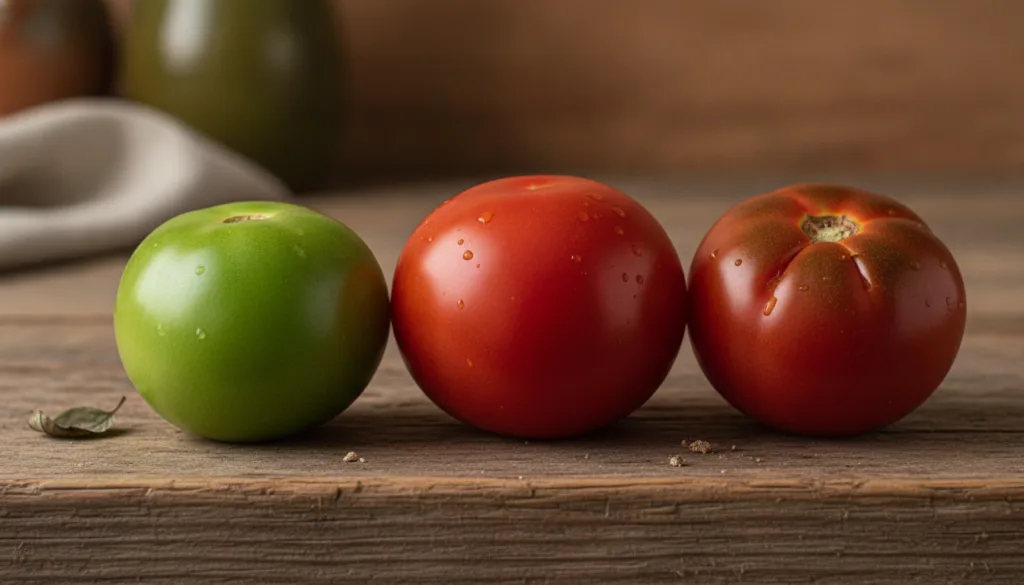
Why Ripe Tomatoes Matter
The ripeness of a tomato directly impacts its flavor, texture, and even its nutritional profile. An unripe tomato can be overly acidic and firm, while an overripe one might be mushy and lose its vibrant taste. A perfectly ripe tomato, however, offers a harmonious balance of sweetness and tang, a juicy texture, and a burst of beneficial compounds.
The Three Stages of Tomato Ripeness
Observing a tomato’s journey from crisp green to deep red and beyond is key to making informed choices.
Unripe Tomatoes: The Bright Green Stage
As the name suggests, unripe tomatoes are typically bright green and firm to the touch. They possess a tart, sometimes bitter flavor profile due to their higher acid content and lower sugar levels. While not ideal for fresh consumption, unripe green tomatoes aren’t without their uses! They are traditionally celebrated in dishes like fried green tomatoes, or used in tangy chutneys and relishes, where their firm texture and sharp flavor shine.
Perfectly Ripe Tomatoes: The Rich Red Standard
This is the sweet spot! A perfectly ripe tomato boasts a rich, uniform red (or yellow, orange, or purple, depending on the variety) color across its skin. It should feel firm yet yield slightly to gentle pressure when squeezed. Most importantly, a ripe tomato emits a sweet, earthy aroma, particularly around the stem end. These tomatoes are bursting with flavor, offering a delightful balance of sugars and acids. They are ideal for slicing into salads, adding to sandwiches, making fresh salsas, or creating vibrant sauces where their natural sweetness can be truly appreciated. They are also rich in antioxidants like lycopene, which is more bioavailable in ripe, cooked tomatoes.
Overripe Tomatoes: The Wrinkled Wonders
When a tomato passes its peak ripeness, it starts to show signs of age. The skin may become slightly wrinkled, and the tomato will feel very soft and squishy to the touch. While they might not be pretty enough for a fresh salad, overripe tomatoes are still incredibly valuable in the kitchen. Their flavor often intensifies, becoming sweeter and richer, making them excellent for slow-cooked sauces, soups, roasting, or canning. Just be sure to use them quickly to prevent spoilage and cut away any bruised or moldy spots.
Tips for Picking the Best Tomatoes
Becoming a tomato connoisseur is simple with these practical tips:
- Color Check: Look for a vibrant, uniform color that matches the tomato’s variety (e.g., deep red for a beefsteak, bright yellow for a lemon boy). Avoid tomatoes with significant green patches (unless it’s a green variety) or brown spots.
- Touch Test: Gently press the tomato. It should feel firm but give slightly under your thumb. If it’s rock hard, it’s likely unripe. If it’s very soft or mushy, it’s overripe.
- Smell the Stem: This is a secret weapon! Bring the tomato to your nose and sniff the stem end. A perfectly ripe tomato will have a sweet, earthy, and distinctly