Smart Swaps for a Healthier You!
In our busy lives, it’s easy to overlook the small choices that collectively shape our health. But what if we told you that achieving a healthier lifestyle doesn’t always require a complete overhaul? Often, the most impactful changes come from making smart, simple swaps in your daily nutrition. At Wellness Daily, we believe that small, consistent steps can lead to significant improvements in your energy levels, weight management, and overall well-being.
Think of it as upgrading your fuel. Just as choosing premium fuel can optimize a car’s performance, opting for nutrient-dense alternatives can help your body function at its best. These aren’t about deprivation; they’re about making more informed choices that nourish your body more effectively.

Why Small Nutritional Changes Make a Big Difference
The concept is simple: by replacing certain common, less-nutritious foods with healthier alternatives, you can significantly enhance your nutrient intake, reduce empty calories, and support various bodily functions. These changes accumulate over time, leading to tangible benefits:
- Increased Energy Levels: Swapping sugary snacks for whole foods can help stabilize blood sugar, preventing energy crashes.
- Better Weight Management: Nutrient-dense foods often provide more satiety, reducing overeating and supporting a healthy weight.
- Improved Digestion: Opting for fiber-rich alternatives can promote gut health and regular bowel movements.
- Enhanced Nutrient Intake: Healthier swaps often mean more vitamins, minerals, and antioxidants for your body.
- Reduced Risk of Chronic Diseases: A diet rich in whole, unprocessed foods is associated with a lower risk of heart disease, type 2 diabetes, and certain cancers.
Key Areas for Smart Swaps
1. Ditch the Sugary Drinks for Hydrating Alternatives
Sugary sodas, fruit juices (even 100% juice, in excess), and sweetened teas are often hidden sources of significant added sugars and empty calories. They contribute to weight gain and may increase the risk of type 2 diabetes.
- Swap From: Soda, sweetened tea, fruit punch, energy drinks.
- Swap To: Plain water (filtered, sparkling), unsweetened herbal tea, water infused with fruit (lemon, cucumber, berries), or a splash of 100% fruit juice in sparkling water.
Why it matters: Water is essential for every bodily function and contains zero calories or sugar. Herbal teas offer antioxidants and hydration without the added sugar.
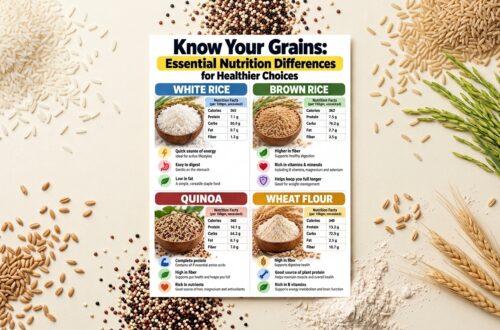
2. Choose Whole Grains Over Refined Grains
Refined grains, like white bread, white pasta, and many breakfast cereals, have had their bran and germ removed, stripping them of fiber, iron, and B vitamins. This can lead to rapid blood sugar spikes.
- Swap From: White bread, white rice, regular pasta, processed crackers.
- Swap To: 100% whole-wheat bread, brown rice, quinoa, whole-wheat pasta, oats, whole-grain crackers.
Why it matters: Whole grains retain their fiber, which supports digestive health, helps regulate blood sugar, and keeps you feeling fuller for longer. They also provide essential nutrients.
3. Opt for Healthy Fats Instead of Unhealthy Ones
Trans fats and excessive saturated fats, often found in processed foods, fried items, and certain spreads, can negatively impact heart health.
- Swap From: Deep-fried foods, butter (in excess), margarine with trans fats, processed snacks high in unhealthy oils.
- Swap To: Olive oil, avocado oil, nuts, seeds, avocados, fatty fish (like salmon).
Why it matters: Healthy fats, particularly monounsaturated and polyunsaturated fats, are crucial for hormone production, nutrient absorption, and heart health. They can also help reduce inflammation.
4. Replace Processed Snacks with Nutrient-Rich Options
Packaged snacks like chips, cookies, and candy bars are typically high in unhealthy fats, sugar, and sodium, offering little nutritional value.
- Swap From: Potato chips, candy bars, sugary biscuits, pastries.
- Swap To: Fresh fruits, raw vegetables with hummus, a handful of unsalted nuts or seeds, Greek yogurt, air-popped popcorn.
Why it matters: These natural snacks provide essential vitamins, minerals, fiber, and protein, helping to keep hunger at bay and fuel your body without the unnecessary additives.
Tips for Successful Swapping
- Start Small: Don’t try to change everything at once. Pick one or two swaps to focus on each week.
- Read Labels: Become familiar with nutrition labels to identify added sugars, unhealthy fats, and whole grains.
- Plan Ahead: Stock your pantry and fridge with healthier options to make smart choices easier when hunger strikes.
- Be Patient and Persistent: It takes time to form new habits. Celebrate small victories and don’t get discouraged by occasional slip-ups.
Embrace a Healthier You, One Swap at a Time
Making smart nutritional swaps is a powerful, sustainable way to enhance your health without feeling overwhelmed. Each conscious choice contributes to a stronger, more vibrant you. By focusing on whole, unprocessed foods and reducing your intake of refined sugars and unhealthy fats, you’re building a foundation for lasting wellness.
Remember, this information is for educational purposes only and is not a substitute for professional medical advice or treatment. Always consult with a qualified healthcare provider for any health concerns or before making any significant changes to your diet or lifestyle.