Vitamin D, often dubbed the ‘sunshine vitamin,’ is a crucial nutrient that plays a vital role in maintaining our overall well-being. While many associate it primarily with sunlight exposure, did you know that you can get this essential nutrient from a variety of delicious foods too? It’s easier than you think to ensure you’re getting enough, supporting everything from strong bones to a robust immune system.
Let’s dive into the fascinating world of Vitamin D and discover its diverse sources beyond just basking in the sun.
Why is Vitamin D So Important?
Vitamin D is more than just a bone builder; it’s a critical player in numerous bodily functions. Its primary role is to help regulate the absorption of calcium and phosphorus, which are essential for maintaining strong bones and teeth. Without adequate Vitamin D, our bodies struggle to utilize these minerals effectively, potentially leading to weakened bones.
Beyond bone health, research suggests that Vitamin D may also help support a healthy immune system, potentially influencing our body’s ability to ward off common illnesses. It’s also been associated with mood regulation and overall cellular health. Understanding its importance highlights why ensuring sufficient intake is key.
Top Food Sources of Vitamin D
While sunlight is a natural source, certain foods offer a convenient and tasty way to boost your Vitamin D levels. Here are some of the best dietary options:
1. Fatty Fish and Seafood
- Salmon: One of the richest natural sources, a small serving of salmon can provide a significant amount of your daily Vitamin D needs.
- Mackerel: Another excellent fatty fish choice, often found fresh or canned.
- Sardines: Small, nutrient-dense fish that are packed with Vitamin D and omega-3 fatty acids.
- Tuna: Canned tuna is a readily available option, though fresh tuna also contains Vitamin D.
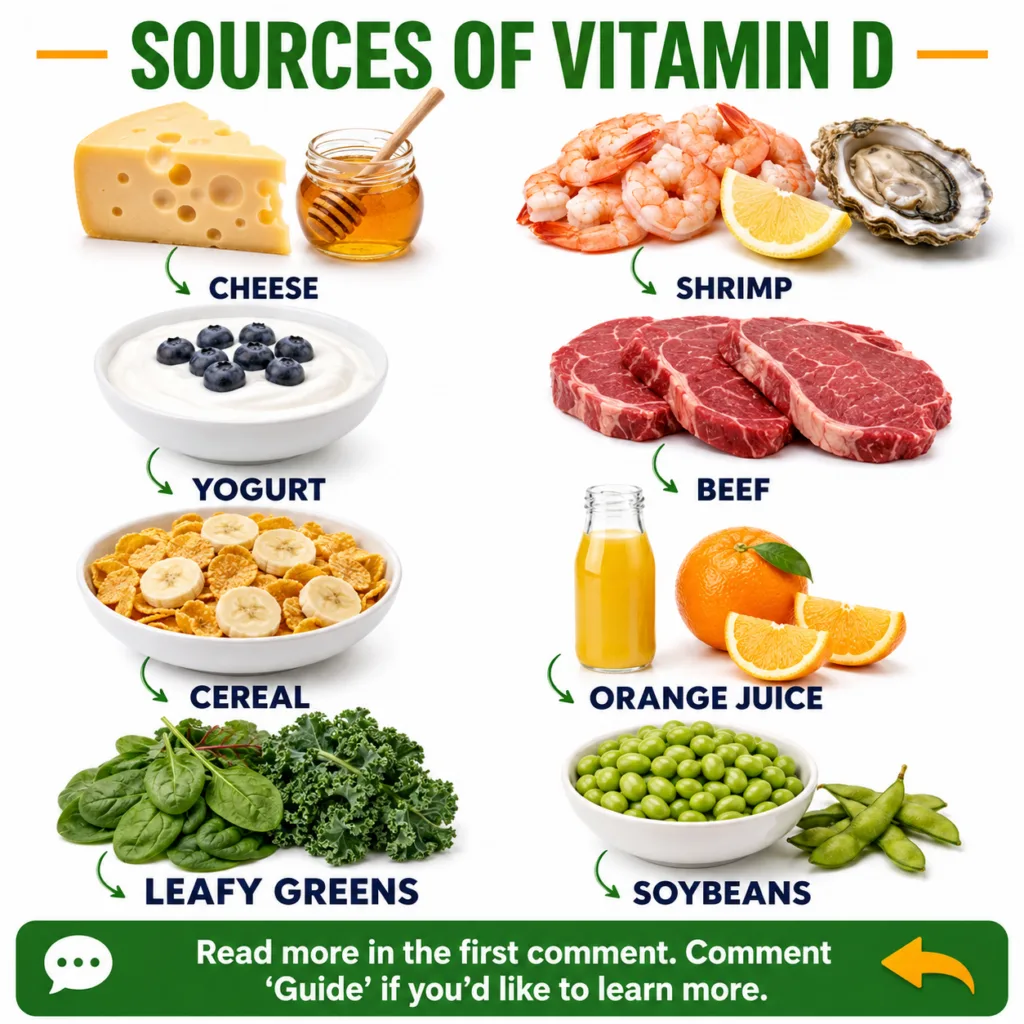
- Shrimp and Oysters: As highlighted in our infographic, these seafood options also contribute to your Vitamin D intake.
2. Fortified Foods
Many foods are fortified with Vitamin D, meaning the nutrient is added during processing. This is a common way to increase intake, especially for those who may not get enough from other sources.
- Fortified Milk and Dairy Alternatives: Cow’s milk, soy milk, almond milk, and oat milk are frequently fortified with Vitamin D. Some yogurts and cheeses may also be fortified.
- Fortified Cereals: Many breakfast cereals are excellent sources of fortified Vitamin D, making for an easy addition to your morning routine.
- Fortified Orange Juice: Some brands of orange juice are fortified, offering a refreshing way to get Vitamin D, alongside Vitamin C.
3. Other Animal-Based Sources
- Egg Yolks: While not as high as fatty fish, egg yolks do contain some Vitamin D. The amount can vary depending on the chicken’s diet and sun exposure.
- Beef Liver: This organ meat contains a notable amount of Vitamin D, along with other essential nutrients.
4. Mushrooms (when exposed to UV light)
Mushrooms are unique among plant foods as they can produce Vitamin D when exposed to ultraviolet (UV) light, similar to how human skin produces it. Some commercially grown mushrooms are treated with UV light to increase their Vitamin D content, making them a good option for vegetarians and vegans.
How to Ensure Adequate Vitamin D Intake
Incorporating these foods into your diet is a fantastic step towards ensuring sufficient Vitamin D. Consider a balanced approach that includes:
- Regularly consuming fatty fish.
- Opting for fortified dairy products, plant milks, or cereals.
- Including eggs and UV-exposed mushrooms in your meals.
- Mindful sun exposure (following safe sun practices) can also contribute, but remember to always protect your skin.
If you have concerns about your Vitamin D levels, or if you’re considering supplements, it’s always best to consult with a healthcare professional. They can provide personalized advice based on your individual health needs.
Embracing a varied diet rich in these Vitamin D sources can help you maintain strong bones, support your immune system, and contribute to your overall wellness journey!
Disclaimer: This article is for informational purposes only and is not intended to be a substitute for professional medical advice, diagnosis, or treatment. Always seek the advice of your physician or other qualified health provider with any questions you may have regarding a medical condition.