Are you dreaming of a lush, vibrant garden bursting with life, but wary of chemical-laden products? You’re in luck! Embracing nature’s healing power by crafting your own natural fertilizers is not only rewarding but also incredibly beneficial for your plants, soil, and the environment. Let’s unlock your garden’s full potential the organic way!
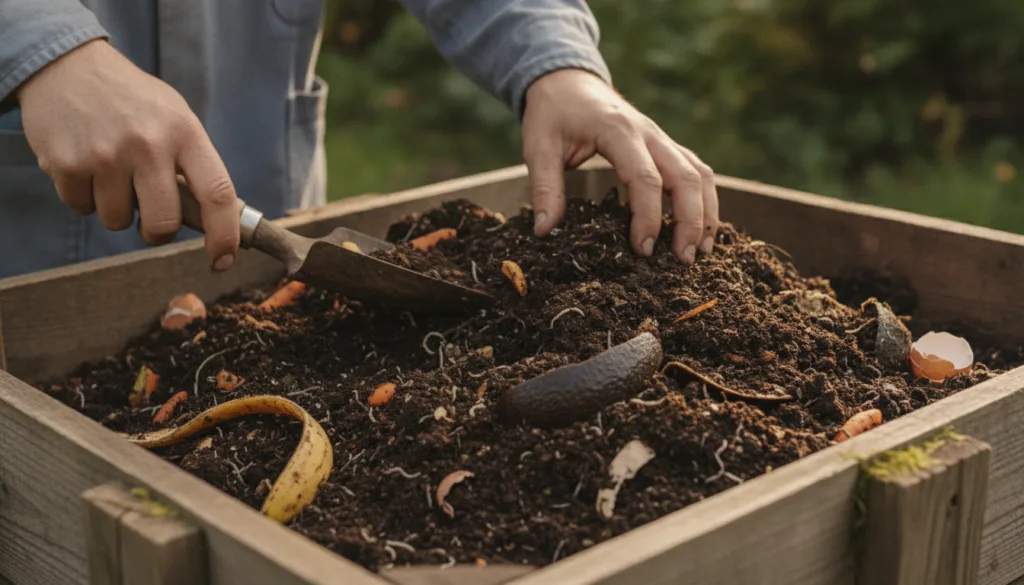
Why Choose Natural Fertilizers?
Opting for natural fertilizers goes beyond just feeding your plants; it’s about nurturing the entire ecosystem of your garden. Here’s why making the switch is a fantastic idea:
- Soil Health Improvement: Chemical fertilizers can deplete beneficial microorganisms in the soil over time. Natural fertilizers, like compost and manure, enrich the soil structure, enhance water retention, and foster a thriving microbial community crucial for plant health.
- Sustainable and Eco-Friendly: By reusing kitchen scraps and garden waste, you reduce landfill waste and minimize your environmental footprint. You’re also avoiding the production and transportation of synthetic chemicals.
- Gentle and Slow Release: Natural fertilizers release nutrients slowly, providing a steady supply to your plants without the risk of ‘burning’ them, a common issue with over-application of synthetic options.
- Safer for Everyone: With natural inputs, you reduce exposure to harsh chemicals for yourself, your family, pets, and local wildlife.
- Cost-Effective: Many ingredients for homemade fertilizers are readily available, often free, and found right in your kitchen or garden!
Understanding Plant Nutrition Basics
Before we dive into recipes, it’s helpful to remember the basics of what plants need. The primary macronutrients are:
- Nitrogen (N): Essential for lush, green leafy growth.
- Phosphorus (P): Crucial for strong root development, flowering, and fruiting.
- Potassium (K): Supports overall plant vigor, disease resistance, and fruit quality.
Natural ingredients provide these, along with a host of beneficial micronutrients, in a balanced, bioavailable form.
Common Ingredients for DIY Natural Fertilizers
The beauty of natural fertilizers is that many effective ingredients are already in your home or garden!
Compost
The gold standard of natural fertilizers. Rich in all essential nutrients, compost improves soil structure, drainage, and microbial activity. If you’re not composting already, now is the perfect time to start!
Coffee Grounds
Slightly acidic and rich in nitrogen, coffee grounds are fantastic for acid-loving plants like roses, blueberries, and azaleas. They also help improve soil texture and deter some pests.
Banana Peels
Don’t toss those banana peels! They are an excellent source of potassium, which is vital for flowering and fruiting plants. They also contain calcium, magnesium, and phosphorus.
Eggshells
Crushed eggshells provide a slow-release source of calcium, which helps prevent blossom end rot in tomatoes and peppers and strengthens plant cell walls. They can also deter slugs and snails.
Wood Ash (Untreated)
If you have a fireplace or wood-burning stove, untreated wood ash is a good source of potassium and calcium. Use sparingly, as it can raise soil pH.
Epsom Salts
While technically a mineral salt, Epsom salt (magnesium sulfate) provides magnesium and sulfur, two micronutrients often lacking in soil. Magnesium is key for photosynthesis.
Simple DIY Natural Fertilizer Recipes
1. Compost Tea: A Nutrient Boost
Compost tea is a liquid fertilizer that delivers beneficial microbes and nutrients directly to plant roots or leaves.
- Ingredients: 1 part finished compost, 5 parts water (rainwater or dechlorinated tap water is best).
- Instructions:
- Place compost in a burlap sack or old pillowcase.
- Submerge the sack in a bucket of water.
- Let it steep for 24-48 hours, stirring occasionally.
- Remove the compost bag and dilute the tea if it looks very dark (1 part tea to 1-2 parts water).
- Application: Use to water plants or as a foliar spray once every 2-4 weeks.
2. Banana Peel “Tea”: Potassium Powerhouse
Great for flowering and fruiting plants!
- Ingredients: 3-4 banana peels, 1 gallon of water.
- Instructions:
- Chop banana peels into small pieces.
- Place them in a bucket and add water.
- Let it steep for 2-3 days.
- Strain out the peels (you can add them to your compost pile!).
- Application: Use the liquid to water plants, especially those that are flowering or setting fruit, once a month.
3. Eggshell Calcium Boost
For a slow-release calcium supplement.
- Ingredients: Washed and dried eggshells.
- Instructions:
- Rinse eggshells thoroughly and let them air dry completely.
- Crush them into a fine powder using a blender or mortar and pestle.
- Application: Mix a tablespoon or two into the soil around calcium-loving plants like tomatoes, peppers, and squash, or sprinkle directly into planting holes.
4. Coffee Ground Top Dressing
Easy nitrogen and soil amendment.
- Ingredients: Used coffee grounds.
- Instructions: Allow coffee grounds to dry out slightly to prevent clumping.
- Application: Sprinkle a thin layer around the base of acid-loving plants, ensuring they don’t form a thick mat which can impede water penetration.
Tips for Successful Natural Fertilizing
- Don’t Overdo It: While natural fertilizers are gentler, it’s still possible to apply too much. Start with smaller amounts and observe your plants’ reactions.
- Test Your Soil: Knowing your soil’s current nutrient levels and pH can help you tailor your fertilizer choices.
- Consistency is Key: Natural fertilizers work best when applied regularly, but not excessively.
- Combine Methods: Use a combination of these methods for a well-rounded nutrient program. For example, use compost tea regularly and supplement with banana peel tea for fruiting plants.
- Observe Your Plants: Your plants will tell you what they need! Yellowing leaves might indicate nitrogen deficiency, while poor flowering could point to a lack of phosphorus or potassium.
Cultivate a Healthier Garden, Naturally!
Creating your own natural fertilizers is a wonderful way to connect with your garden, understand its needs, and contribute to a healthier planet. With these simple recipes and tips, you’re well on your way to cultivating a thriving, chemical-free garden that brings joy and abundance. Happy gardening!