Quirky Guinea Fowl: Your Garden’s Secret Weapon for Pests & Security!
Imagine stepping into your garden, not to find disheartening signs of pest damage, but to witness thriving, vibrant plants, all while knowing a natural, quirky security detail is on patrol. This isn’t a gardener’s pipe dream; it’s a reality many are discovering by inviting guinea fowl into their outdoor spaces.
These strikingly patterned birds are more than just barnyard fowl; they are incredibly efficient pest eradicators and surprisingly effective garden guardians. If you’re looking for a sustainable, chemical-free approach to protecting your leafy greens from unwelcome munchers and want an early warning system for anything unusual, guinea fowl might just be the solution you’ve been seeking. Join us to explore how these charmingly quirky birds can transform your yard, munching on bugs and alerting you to potential threats.
Meet the Garden Guardians: Guinea Fowl Basics
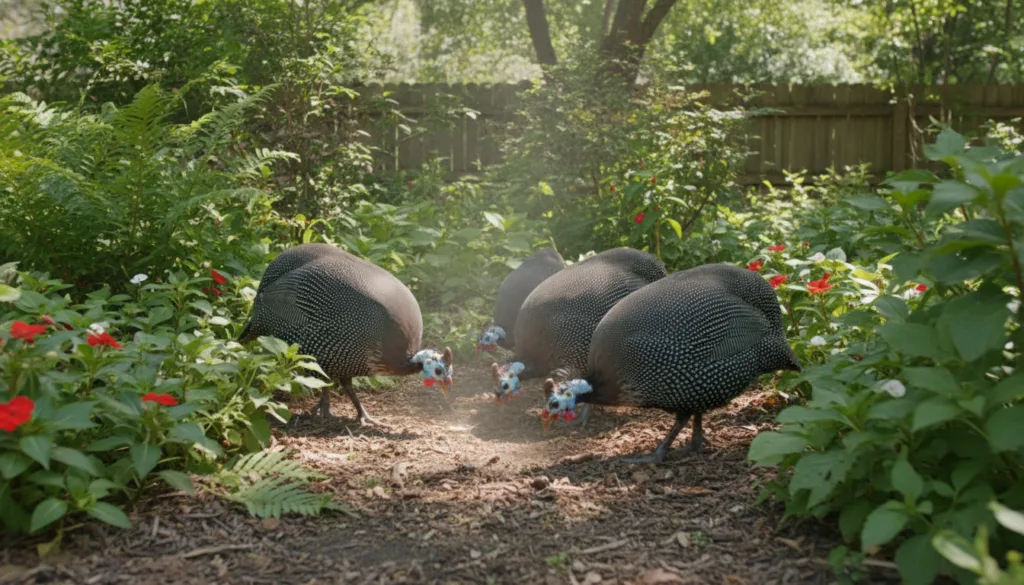
Guinea fowl (Numida meleagris), native to Africa, are often recognized by their distinctive speckled plumage, helmet-like casque, and bare, colorful heads. They are highly social birds, preferring to live in flocks, and are incredibly active and alert. Unlike chickens, which can be notorious for scratching up garden beds and eating tender seedlings, guinea fowl are generally more focused on insects, small rodents, and weed seeds, making them excellent partners for gardeners.
These hardy birds adapt well to various climates and are quite self-sufficient once established. They thrive on foraging, constantly patrolling your yard and consuming a wide array of problematic organisms. Their natural instincts to hunt and peck make them invaluable for organic pest management, reducing the need for synthetic sprays and fostering a healthier garden ecosystem.
Pest Patrol Extraordinaire: What They Eat
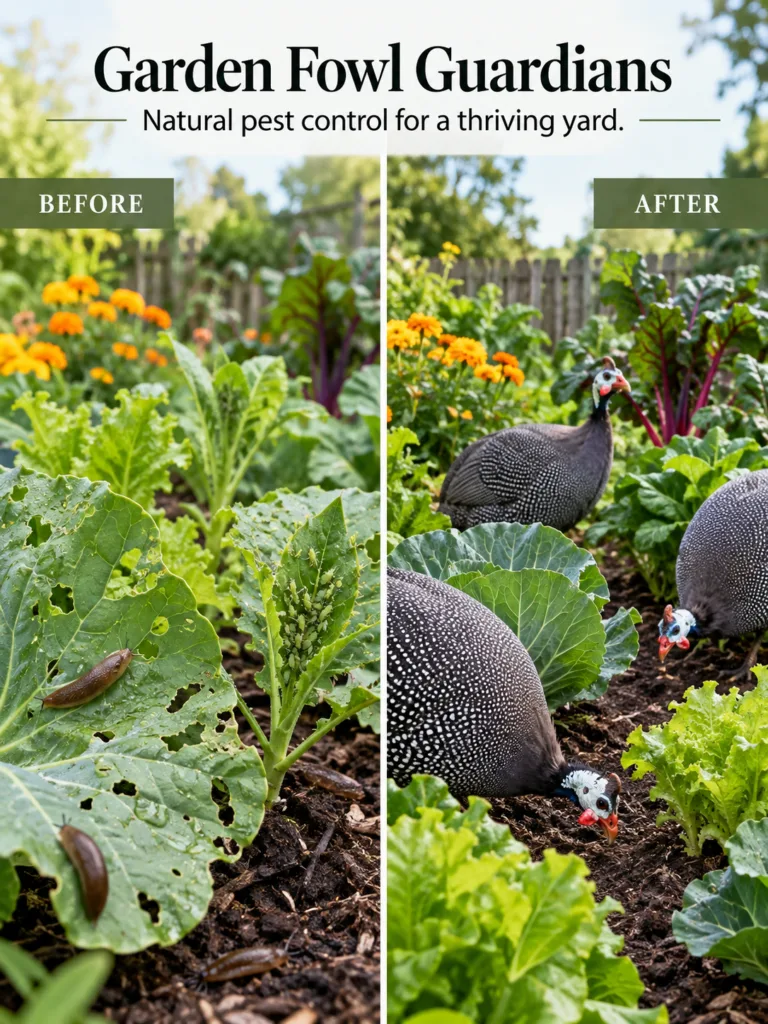
One of the primary reasons gardeners welcome guinea fowl is their voracious appetite for pests. These birds are relentless bug hunters, capable of significantly reducing populations of many common garden nuisances. They spend their days meticulously scouring the landscape, turning over leaves and digging shallow scrapes to uncover hidden prey.
- Slugs and Snails: A common enemy for many gardeners, slugs and snails can decimate young plants overnight. Guinea fowl consider them a delicacy, effectively clearing them from garden beds.
- Aphids: While they won’t pick off every single aphid, their constant foraging can disturb and consume these tiny sap-suckers, helping to keep their numbers down.
- Ticks: Perhaps their most celebrated skill is tick control. Guinea fowl are incredibly effective at reducing tick populations, including deer ticks that carry Lyme disease, making your yard safer for pets and family.
- Grasshoppers and Crickets: Large infestations of these chewing insects can be devastating. Guinea fowl will happily chase and consume them.
- Beetles: This includes troublesome species like Japanese beetles, squash bugs, and Colorado potato beetles, which can cause extensive damage to crops.
- Weed Seeds: Beyond insects, guinea fowl also eat a wide variety of weed seeds, helping to minimize future weed growth in your garden.
Their methodical foraging helps keep your garden healthy without the destructive habits often associated with other poultry. They are less likely to scratch deeply or eat your prize tomatoes, though supervision is always wise, especially around tender seedlings.
Your Garden’s Early Warning System: Security Benefits
Beyond pest control, guinea fowl offer an invaluable layer of security for your property. Known for their distinctively loud and repetitive calls, they are excellent alarm birds. Their keen senses and vocal nature make them ideal guardians.
- Predator Alert: Guinea fowl are quick to spot and loudly announce the presence of predators such as hawks, owls, foxes, raccoons, and even snakes. Their piercing calls can warn other poultry, pets, and you of danger, often scaring away potential threats before they can do harm.
- Intruder Deterrent: Their noisy alarms can also deter human intruders. A flock of screaming guinea fowl is hard to ignore and often enough to send unwanted visitors packing.
- Wildlife Management: Their presence and noise can also discourage other garden visitors like deer or wild birds from feasting on your crops.
While their calls can be startling initially, many owners come to appreciate their vigilant nature, knowing that anything out of the ordinary will be swiftly announced.
Integrating Guinea Fowl into Your Garden: Practical Steps
Bringing guinea fowl into your gardening routine requires a little planning, but the benefits often outweigh the initial effort. Here’s how to set your flock up for success:
Housing and Shelter
Guinea fowl need a secure coop or shelter, especially at night, to protect them from predators. A simple chicken coop can work, or you can build a dedicated structure. Ensure it offers protection from the elements and has roosting bars where they can perch. They prefer to roost high. While generally hardy, they need protection from extreme cold and wind, particularly in northern USDA zones (3-5), and shade during intense summer heat in warmer zones (9-11).
Fencing and Boundaries
Guinea fowl are excellent flyers, so if you need to contain them to a specific area, tall fencing (at least 6 feet) or netting over their run is essential. Many allow their guineas to free-range during the day, herding them into their coop at night. If you have particularly delicate plants or areas you want to protect, consider temporary fencing or netting to exclude them from those spots, especially when plants are young and vulnerable.
Acclimation and Training
Start with keets (baby guinea fowl) or young birds so they imprint on your property. Confine them to their coop and run for a few weeks upon arrival. This helps them learn where ‘home’ is, encouraging them to return each evening. Consistent feeding and watering in their designated area reinforces this behavior. Gradually introduce them to supervised free-ranging in your garden, especially when plants are more mature and less susceptible to accidental pecking.
Water and Supplemental Feed
While great foragers, guinea fowl still need a constant supply of fresh water. Provide multiple watering stations, especially in larger gardens. A good quality game bird or chicken feed can be offered as a supplement, particularly during winter months when natural foraging opportunities are scarce. Scatter feed to encourage natural foraging behavior rather than piling it up in one spot.
Social Dynamics
Guinea fowl thrive in groups. It’s best to start with at least three to six birds. A larger flock provides better security, more efficient pest control, and promotes their natural social behaviors.
Common Mistakes to Avoid
Even with their many benefits, a few common missteps can lead to challenges when keeping guinea fowl:
- Lack of Containment: Underestimating their flight abilities can lead to lost birds or them wandering off your property. Plan for adequate fencing or be prepared to manage free-ranging.
- Insufficient Shelter: While tough, extreme weather without proper shelter can stress or harm them. Ensure their coop is weatherproof and secure.
- Ignoring Their Noisiness: Guinea fowl are loud. If you have close neighbors or prefer a very quiet garden, their constant alarm calls might be a problem. Consider this before committing to a flock.
- Neglecting Water: Just like any living creature, guinea fowl need consistent access to fresh water, especially during hot weather and when actively foraging.
- Introducing to Young Seedlings: While generally less destructive than chickens, very young seedlings can still be pecked or trampled. Protect vulnerable garden beds until plants are established.
Regional Considerations for Your Fowl Guardians
Guinea fowl are remarkably adaptable birds, thriving in a wide range of climates across the United States. While USDA hardiness zones primarily apply to plants and measure winter cold tolerance, it’s still important to consider your local climate for guinea fowl care.
- Cold Climates (Zones 3-5): In regions with harsh winters, ensure their coop is well-insulated, draft-free, and possibly equipped with a heat lamp during the coldest periods. They are hardy but appreciate extra warmth.
- Moderate Climates (Zones 6-8): These zones are often ideal. Provide robust shelter from winter winds and summer sun.
- Warm Climates (Zones 9-11): Focus on providing ample shade and plenty of fresh water during hot summer months to prevent heat stress.
Regardless of your region, protection from predators is paramount, and ensuring they have access to their secure night quarters is a daily task. Local extension services can often provide specific advice on poultry keeping in your area.
Embrace Your Quirky Garden Allies
Inviting guinea fowl into your garden is a step towards a more self-sufficient, naturally balanced, and secure outdoor space. Their enthusiastic pest control, vigilant alarm system, and entertaining antics bring a unique dynamic to any homestead or large garden. By understanding their needs and integrating them thoughtfully, you can cultivate a thriving garden that hums with life, free from the constant battle against pests and with an added layer of peace of mind.
Are you ready to welcome these quirky, effective guardians to your garden?