Master Your Seed Saving Skills!
There’s a special kind of satisfaction that comes from growing your own food and flowers. But what if you could take that a step further? Imagine planting seeds from the very same tomatoes that graced your table last summer, or watching a new generation of marigolds bloom from the seeds you carefully collected. This isn’t just a dream – it’s the rewarding world of seed saving!
Seed saving is an ancient practice that connects us to the cycles of nature and helps us cultivate a more sustainable garden. It’s also a fantastic way to save money, preserve unique plant varieties, and ensure you always have a supply of your favorite plants. Ready to dive in? Let’s explore how to collect and store garden seeds for success, ensuring your home harvest thrives year after year.
Why Bother Saving Seeds? The Benefits are Blossom!
Before we get our hands dirty, let’s understand why seed saving is such a valuable skill for any gardener:
- Cost Savings: Buying new seed packets every season can add up. Saving your own seeds significantly reduces this expense.
- Preserve Heirloom Varieties: Many older, open-pollinated varieties aren’t available commercially. Saving their seeds helps keep these valuable genetic lines alive.
- Adaptation to Your Climate: Over generations, seeds saved from plants thriving in your specific garden will adapt to your local conditions, potentially leading to more resilient and productive plants.
- Self-Sufficiency & Sustainability: It reduces your reliance on external suppliers and promotes a more self-sufficient, eco-friendly gardening approach.
- Community & Sharing: Seed saving often leads to seed swapping with fellow gardeners, fostering community and sharing unique varieties.
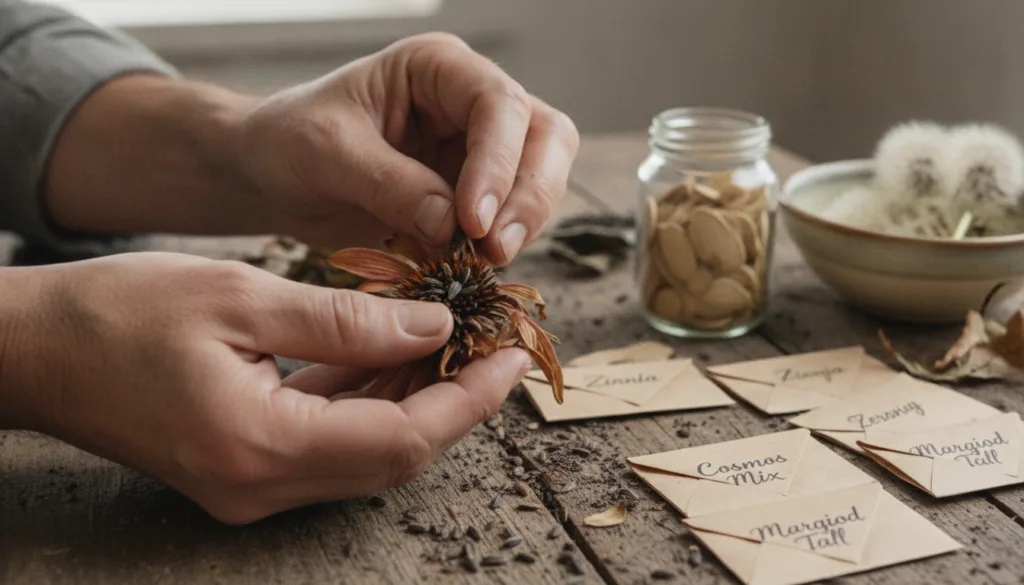
Choosing the Right Candidates: What Seeds to Save
Not all plants are created equal when it comes to seed saving. Here’s what you need to know:
Open-Pollinated vs. Hybrid
- Open-Pollinated (including Heirlooms): These are your best bet! Seeds saved from open-pollinated plants will produce offspring that are true to the parent plant, meaning they’ll look and grow similarly. Many heirloom varieties fall into this category.
- Hybrid (F1): Seeds saved from hybrid plants often won’t produce plants identical to the parent. They might revert to one of their parent varieties, or produce offspring with undesirable traits. While you can save them for experimentation, don’t expect reliable results.
Disease-Free and Vigorous Plants
Always select seeds from your healthiest, most productive, and disease-free plants. This ensures you’re propagating strong genetics. If a plant struggled with pests or diseases, its seeds might carry those weaknesses.
The Art of Collection: Harvesting and Cleaning Seeds
Once you’ve chosen your champion plants, it’s time for the harvest!
1. Timing is Everything
- Allow Seeds to Mature: Seeds need to fully mature on the plant. This often means letting fruit ripen past eating stage (e.g., tomatoes getting very soft) or flower heads dry out completely (e.g., marigolds, sunflowers).
- Watch for Drying: For many flowers and herbs, look for the seed pods or capsules to turn brown, dry, and brittle.
2. Harvesting Techniques
- Dry Seeds (e.g., Beans, Peas, Lettuce, Marigolds): Simply pick pods or heads when they are dry and brittle. Gently break them open to release the seeds.
- Wet Seeds (e.g., Tomatoes, Cucumbers, Melons, Peppers): Extract seeds from ripe fruit. For tomatoes, fermentation often helps remove germination inhibitors and clean the seeds.
3. Cleaning Your Seeds
- Dry Seeds: Winnowing (tossing seeds in the air to let chaff blow away) or sifting through screens can separate seeds from dry plant material.
- Wet Seeds: Rinse thoroughly to remove pulp. For tomatoes, place seeds with a little water in a jar for a few days until a moldy film forms (this is the fermentation). Skim off the film, rinse the good seeds, and dry.
The Drying Game: Essential for Long-Term Storage
Proper drying is critical to prevent mold and ensure viability. Spread your cleaned seeds in a single layer on screens, paper plates, or wax paper in a cool, dry, well-ventilated area away from direct sunlight. Stir them occasionally to ensure even drying. This process can take anywhere from a few days to several weeks, depending on the seed type and humidity.
Storage Savvy: Keeping Your Seeds Viable
Once your seeds are bone dry, they need the right environment to stay viable for future seasons.
1. The Right Container
- Airtight is Best: Glass jars with tight-fitting lids, sealed plastic containers, or even re-sealable plastic bags work well.
- Label Everything: This is crucial! Include the plant type, variety, and the date of collection. You’ll thank yourself later.
2. Ideal Conditions
- Cool: A consistent cool temperature is key. A refrigerator is often ideal, or a cool, dark cupboard.
- Dry: Humidity is the enemy of stored seeds. Adding a desiccant packet (like silica gel) to your container can help absorb any residual moisture.
- Dark: Light can degrade seeds over time, so store them in a dark place.
Tips for Seed Saving Success
- Start Simple: Begin with easy-to-save seeds like beans, peas, lettuce, tomatoes, and many annual flowers (e.g., marigolds, zinnias, calendula).
- Isolate for Purity: If you’re growing multiple varieties of the same plant (e.g., different types of squash), they can cross-pollinate. To ensure true-to-type seeds, you might need to isolate them or only save seeds from one variety.
- Test for Viability: Before planting, you can do a germination test. Place 10 seeds on a damp paper towel, roll it up, place in a plastic bag, and keep warm. Check after a few days for sprouts to gauge viability.
- Keep Records: A simple garden journal can help you track which seeds you saved, from which plants, and how they performed.
Seed saving is a rewarding journey that deepens your connection to your garden and the natural world. With a little practice, you’ll soon be enjoying the fruits (and flowers!) of your labor, season after season. Happy gardening!