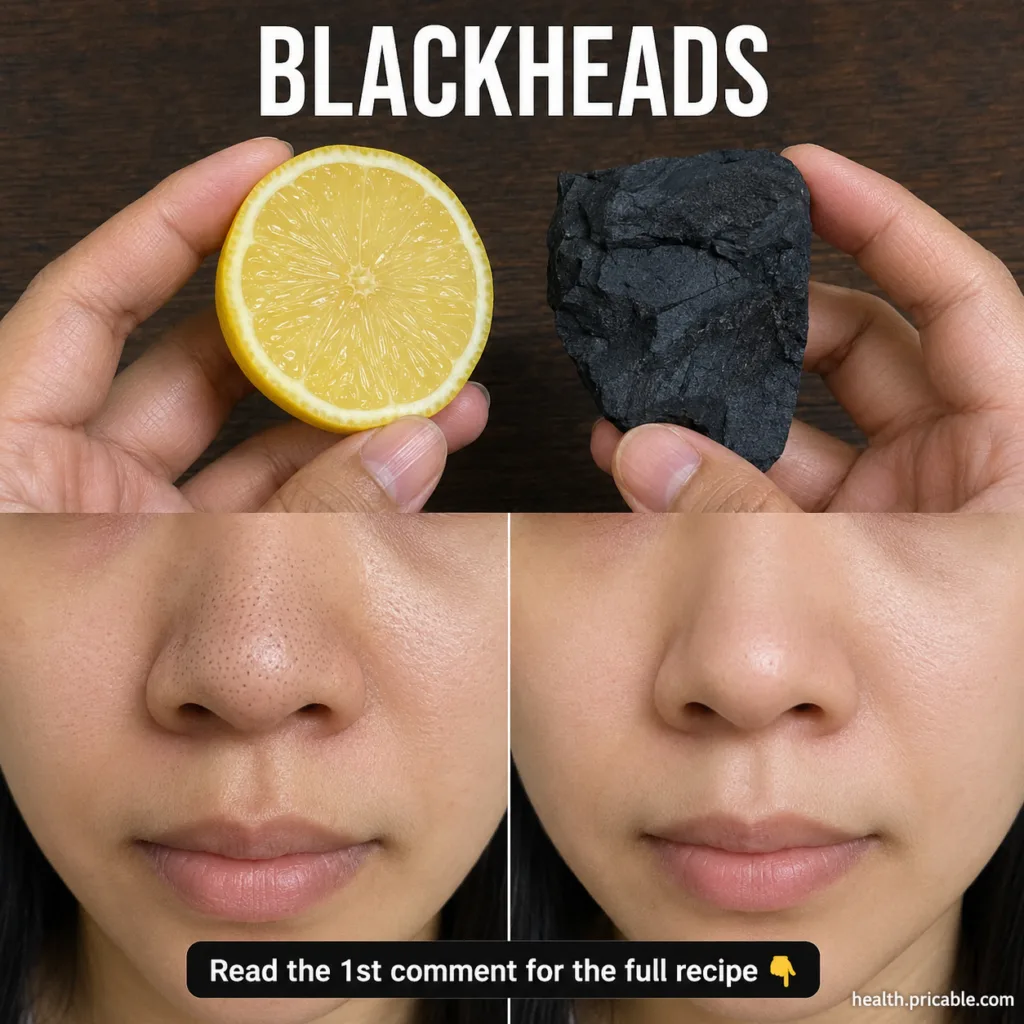
Looking for a natural way to tackle blackheads? This DIY remedy using lemon and activated charcoal has gained popularity for its potential to support clearer-looking skin. Let’s explore how to make and use this simple paste to help reduce the appearance of blackheads and achieve a fresher complexion.
Quick Recipe
Prep time: 5 minutes
Best for: Blackheads, oily skin types
Use type: Mask/Paste
Main ingredients:
- Fresh Lemon Juice
- Activated Charcoal Powder
Ingredients
- 1 teaspoon fresh lemon juice (from organic lemon, if possible)
- 1/2 teaspoon activated charcoal powder (food-grade or cosmetic-grade)
- Small non-metallic bowl
- Clean applicator brush or cotton swab
How to Make It
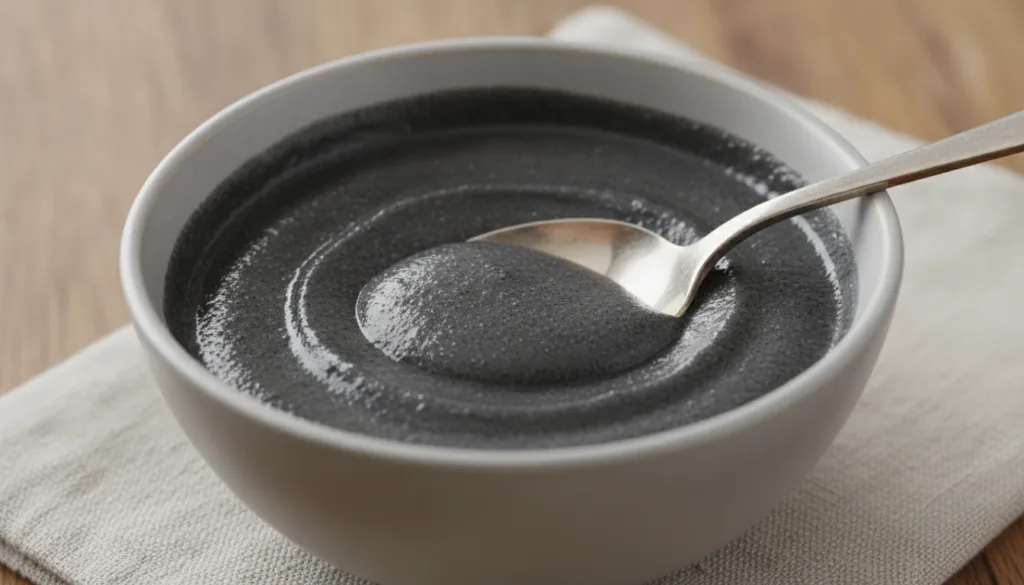
- In a small non-metallic bowl, combine the 1 teaspoon of fresh lemon juice and 1/2 teaspoon of activated charcoal powder.
- Stir well with a clean spoon or applicator brush until a smooth, consistent paste forms. If the paste is too thick, add a tiny drop more lemon juice. If too thin, add a pinch more charcoal powder.
- Ensure there are no lumps, as this will help with even application.
How to Use It
- Start with a clean, dry face. You can gently steam your face for a few minutes beforehand to help open pores, but this is optional.
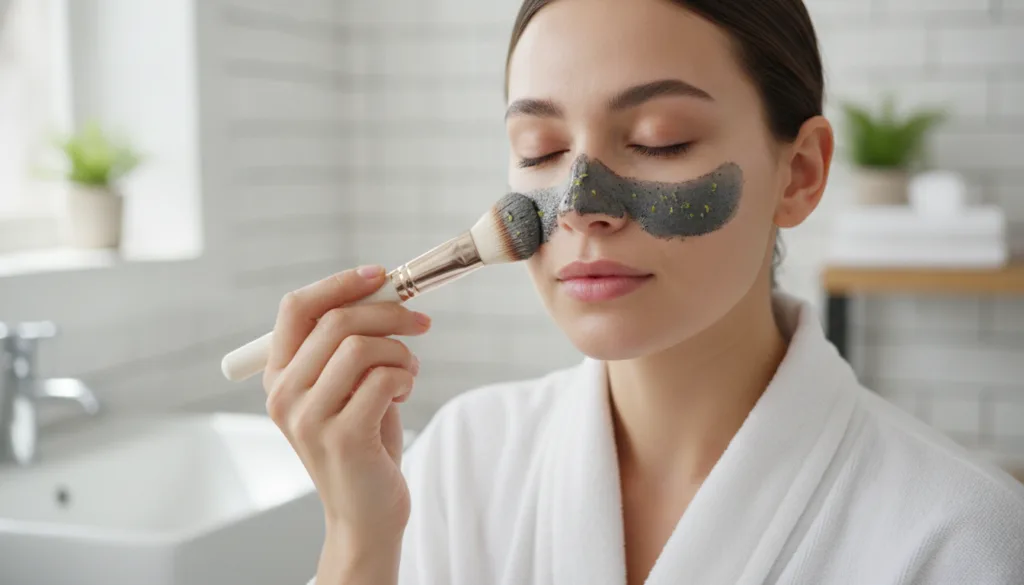
- Using a clean applicator brush or cotton swab, carefully apply a thin layer of the paste directly to areas with blackheads, such as the nose, chin, or forehead. Avoid the delicate eye and lip areas.
- Leave the mask on for 5-7 minutes. You might feel a slight tingling sensation; if it becomes uncomfortable or burning, rinse it off immediately.
- After the recommended time, gently rinse off the mask with lukewarm water, using circular motions to help exfoliate the skin. Pat your face dry with a clean towel.
- Follow up with a gentle, hydrating moisturizer to keep your skin balanced.
How Often to Use It
Due to the potency of lemon juice, it’s best to use this remedy sparingly. Start by using it once every two weeks. If your skin tolerates it well, you may increase to once a week. Do not use more frequently than once a week.
Why These Ingredients Are Used
Lemon Juice
Lemon juice is a natural astringent, meaning it can help tighten pores and temporarily reduce excess oil on the skin’s surface. It also contains citric acid, an alpha hydroxy acid (AHA), which is traditionally thought to offer mild exfoliating properties, potentially aiding in shedding dead skin cells that can contribute to blackheads. The natural vitamin C in lemon is also associated with a brighter-looking complexion.
Activated Charcoal Powder
Activated charcoal is well-known for its absorbent properties. In skincare, it’s believed to act like a magnet, drawing out impurities, dirt, and excess sebum from pores. This deep-cleansing action can help to unclog pores and reduce the appearance of blackheads, leaving skin feeling cleaner and clearer.
What Results to Expect
With consistent and careful use, this lemon and charcoal paste may help to visibly reduce the appearance of blackheads and contribute to a clearer-looking complexion. Your skin may feel smoother and appear less oily. Remember that individual results can vary, and this is a home remedy designed to support your skin’s appearance, not a guaranteed medical treatment for acne or severe blackheads.
Safety Notes
- Patch test first: Always apply a small amount of the paste to an inconspicuous area of your skin (e.g., behind your ear or on your inner arm) and wait 24 hours to check for any adverse reactions before applying it to your face.
- Photosensitivity: Lemon juice can significantly increase your skin’s sensitivity to the sun, leading to sunburn or dark spots. Always use this mask in the evening and apply a broad-spectrum sunscreen with at least SPF 30 the morning after and for several days following treatment.
- Avoid irritated or broken skin: Do not apply this mask to skin that is cut, scraped, sunburned, or already irritated.
- Use gently: Avoid harsh scrubbing, especially when applying and rinsing, as charcoal can be abrasive.
- Stop if discomfort occurs: If you experience severe stinging, burning, redness, or itching, rinse off the mask immediately and discontinue use.
- Not for sensitive skin: Individuals with very sensitive skin, rosacea, or eczema should avoid using this remedy due to the acidic nature of lemon.
FAQ
Can I use regular charcoal from my grill?
No, absolutely not. Only use activated charcoal powder that is specifically formulated for cosmetic or food-grade use. Regular charcoal contains many impurities and chemicals that are harmful to your skin.
How long can I store the leftover paste?
It’s best to prepare a fresh batch for each use. Lemon juice loses its potency, and the mixture can become less effective over time. Dispose of any leftover paste.
Are there any alternatives if I have very sensitive skin?
Yes, if your skin is sensitive, you might try a plain activated charcoal mask mixed with water or aloe vera gel instead of lemon juice. Consult with a dermatologist for personalized advice on blackhead treatments for sensitive skin.
Final Thoughts
Incorporating natural remedies like this lemon and activated charcoal paste can be a rewarding part of your beauty routine, offering a simple way to target blackheads and promote a fresher-looking complexion. Remember to always prioritize skin safety by patch testing and listening to your skin’s unique needs. Give it a try and share your experience in the comments below!