Your Secret Weapon for Soft Heels Natural Lemon Paste Revealed
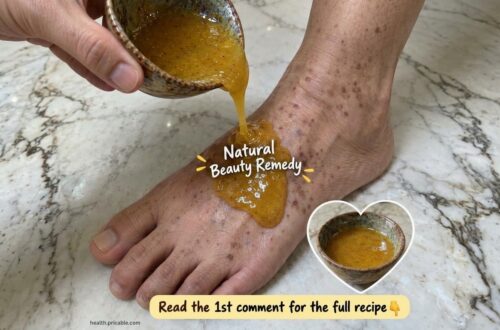
Tired of rough, dry feet? This ancient, easy-to-make remedy uses simple kitchen ingredients to help deeply moisturize and repair, giving you the appearance of salon-worthy smooth heels naturally. Let’s dive into how to create this effective natural foot paste.

Quick Recipe
Prep time: 5-10 minutes
Best for: Dry, cracked heels, rough patches, dull skin on feet
Use type: Exfoliating and moisturizing paste/scrub
Main ingredients:
- Lemon
- Granulated Sugar
- Olive Oil
Ingredients
- 1/2 fresh lemon
- 2 tablespoons granulated sugar (white or brown sugar works well)
- 1 tablespoon olive oil (or coconut oil)
How to Make It
- In a small bowl, squeeze the juice from half a fresh lemon. Aim for about 1-2 tablespoons of juice.
- Add the granulated sugar to the lemon juice and stir well. The mixture should form a thick, grainy paste.
- Pour in the olive oil and mix thoroughly until all ingredients are combined and the paste has a consistent texture.
- You can use the half-lemon rind as a natural applicator for the paste, as shown in many traditional remedies.

How to Use It
- Start with clean, dry feet. You might consider soaking your feet in warm water for 5-10 minutes beforehand to soften the skin, then pat them dry.
- Take a small amount of the lemon paste, either with your fingers or using the lemon rind itself as a gentle scrubber.
- Gently massage the paste onto your dry, cracked heels and any other rough areas of your feet in circular motions. Focus on the roughest spots but avoid applying to open wounds or severely broken skin.
- Continue scrubbing gently for 3-5 minutes. The sugar will exfoliate, while the lemon and oil work their magic.
- Rinse your feet thoroughly with warm water, ensuring all the paste is removed. Pat your feet dry with a clean towel.
- For an extra boost of moisture, apply your favorite foot cream or a rich body butter immediately after rinsing.
How Often to Use It
For best results, use this lemon paste 1-2 times per week. Consistent use can help maintain soft, smooth-looking heels. Avoid over-exfoliating, as this can irritate the skin.

Why These Ingredients Are Used
Lemon
Lemon juice contains natural alpha-hydroxy acids (AHAs), which can act as a mild exfoliant. This helps to gently loosen and remove dead skin cells, contributing to a brighter and smoother-looking complexion on your heels. Its refreshing scent also adds a pleasant aroma to your foot care routine.
Granulated Sugar
Sugar is a fantastic natural physical exfoliant. Its crystalline structure effectively buffs away dry, rough skin without being too harsh when combined with other moisturizing ingredients. It helps to reveal the softer, newer skin underneath.
Olive Oil
Rich in vitamins E and K, as well as antioxidants, olive oil is a deeply moisturizing and nourishing ingredient. It helps to hydrate the skin, improve its elasticity, and create a protective barrier, leaving your heels feeling soft and supple after exfoliation. It’s an excellent choice for combating dryness.
What Results to Expect
With regular use, you can expect your heels to feel noticeably softer and appear smoother. The natural exfoliating action may help to reduce the appearance of rough patches and dullness, revealing a more hydrated and cared-for look. While individual results vary, this routine can significantly support the overall health and appearance of your feet.
Safety Notes
- Patch test first: Always apply a small amount of the paste to a discreet area of your skin (like the side of your foot) 24 hours before full application to check for any irritation or allergic reaction.
- Use gently: Do not scrub too vigorously, especially if your skin is sensitive.
- Avoid irritated or broken skin: Do not apply this paste to open wounds, cuts, or severely cracked skin that is bleeding or painful, as the lemon can cause stinging and irritation.
- Photosensitivity: Lemon juice can increase skin’s sensitivity to the sun. It’s best to use this remedy in the evening or ensure your feet are not exposed to direct sunlight immediately after treatment.
- Stop using it if discomfort occurs: If you experience any redness, burning, itching, or increased irritation, rinse your feet immediately and discontinue use.
- Consult a professional: If you have severe foot conditions, diabetes, or other health concerns, consult a podiatrist or doctor before trying any new home remedies.
FAQ
Can I use this paste on other parts of my body?
While designed for tough skin on heels, this paste can also be used gently on other rough areas like elbows or knees. Always perform a patch test first and avoid sensitive areas.
How long can I store the leftover paste?
It’s best to make a fresh batch for each use, as natural ingredients can degrade quickly and may not contain preservatives. If you must store it, keep it in an airtight container in the refrigerator for no more than 1-2 days.
What if I don’t have olive oil?
You can substitute olive oil with other nourishing oils like coconut oil, almond oil, or jojoba oil. Choose an oil that your skin tolerates well and that you have on hand.
Final Thoughts
Achieving softer, smoother heels doesn’t have to be complicated or expensive. This natural lemon paste offers a simple yet effective way to pamper your feet using ingredients you likely already have in your kitchen. Incorporate this routine into your self-care regimen and enjoy the refreshing feeling of revitalized feet. Share your experiences in the comments below!