Expensive treatments and complex serums often dominate conversations about youthful skin, leading many to overlook the simple, potent remedies found right in their kitchen. What if the secret to a radiant, smooth complexion wasn’t a dermatologist’s appointment but a daily ritual with a familiar brew? Most people enjoy green tea for its internal health benefits, but its power for external skincare is often underestimated.
This isn’t about vague promises; it’s about harnessing a centuries-old natural ingredient with well-documented antioxidant properties to support your skin’s vitality. Imagine a daily routine that’s easy, affordable, and leaves your skin feeling refreshed and looking visibly younger. We’re talking about green tea, a powerhouse of compounds that can truly transform your skincare approach without harsh chemicals or invasive procedures.
What Green Tea Is For Your Skin
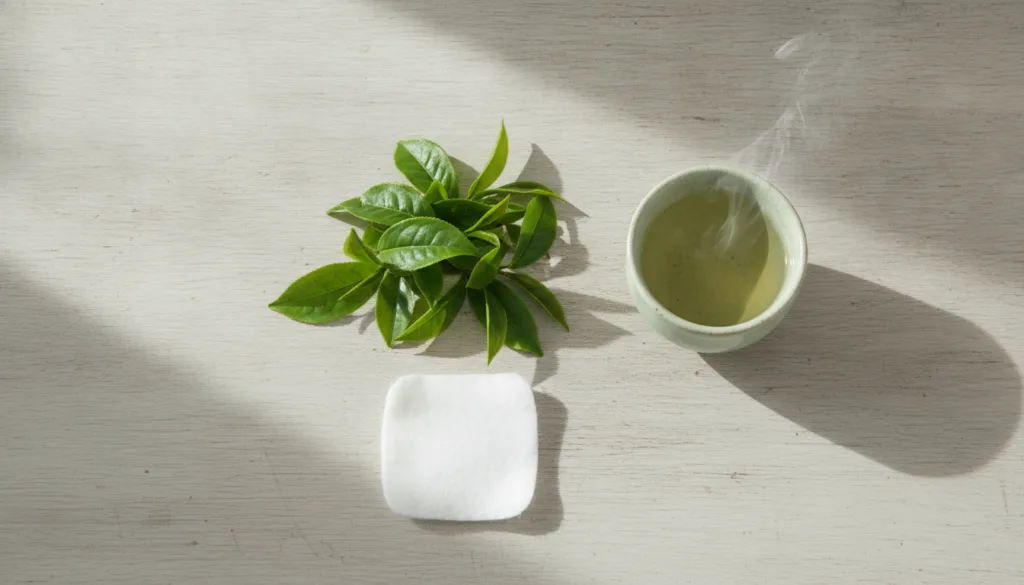
Green tea, derived from the Camellia sinensis plant, is much more than just a refreshing beverage. For skincare, it’s particularly prized for its high concentration of polyphenols, especially catechins like epigallocatechin gallate (EGCG). These compounds are powerful antioxidants that combat free radicals, which are major culprits behind premature aging, sun damage, and dull skin.
When applied topically, green tea can help reduce inflammation, soothe irritation, and even protect the skin from environmental stressors. It’s an excellent choice for those looking to maintain skin elasticity, reduce the appearance of fine lines, and achieve a more even, luminous complexion.
The Simple Green Tea Facial Rinse/Toner
One of the easiest and most effective ways to incorporate green tea into your skincare routine is through a homemade facial rinse or toner. This preparation is gentle, effective, and free from synthetic fragrances or harsh preservatives.
Ingredients
- 1-2 organic green tea bags or 1 teaspoon loose leaf organic green tea
- 1 cup filtered water
Approximate Measurements
The ratio of tea to water is crucial for an effective remedy. For a potent toner, aim for:
- 1 teaspoon loose leaf green tea per 1 cup (240ml) water, or
- 1-2 standard green tea bags per 1 cup (240ml) water.
Using filtered water is recommended to avoid minerals and chlorine found in tap water that could irritate sensitive skin.
Formula / Recipe
This formula creates a concentrated green tea infusion perfect for topical application.
- Boil 1 cup of filtered water.
- Let the water cool slightly for 1-2 minutes after boiling (to avoid burning the tea leaves, which can make the tea bitter and reduce some beneficial compounds).
- Pour the hot water over the green tea leaves or bags in a clean, heat-proof container.
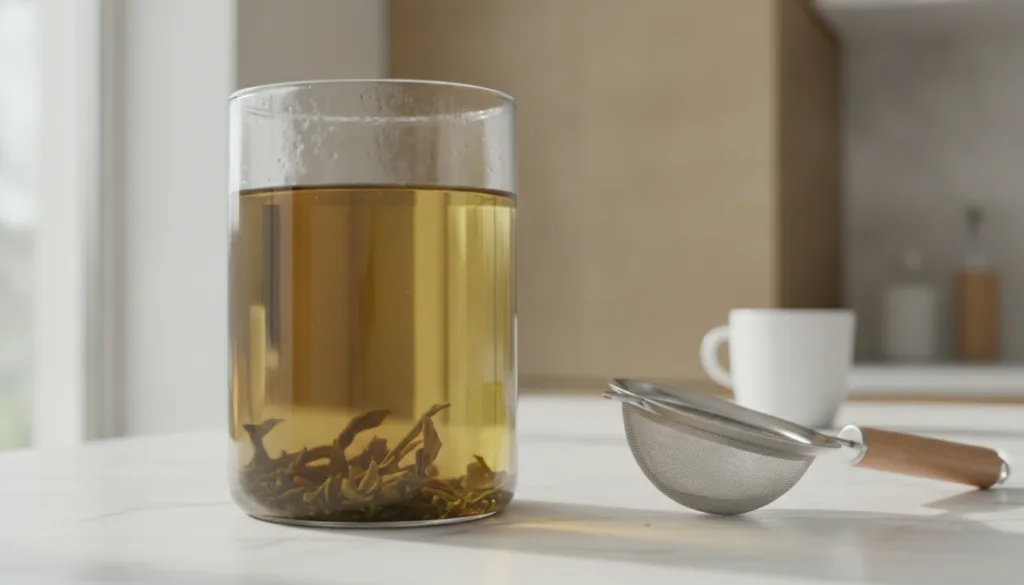
- Steep for 5-7 minutes. For a stronger toner, you can steep for up to 10 minutes, but avoid over-steeping, as it can release more tannins, leading to potential dryness for some skin types.
- Remove the tea bags or strain the loose leaves.
- Allow the green tea infusion to cool completely to room temperature before use. For best results, chill it in the refrigerator before application.
Step-by-Step Method
- Brew the Tea: Follow the recipe above to prepare your green tea infusion.
- Cool Completely: Ensure the tea is fully cooled, ideally chilled in the refrigerator, before applying it to your skin.
- Cleanse Your Face: Wash your face with your usual gentle cleanser to remove makeup, dirt, and oil.
- Apply the Toner: There are several ways to apply:
- Cotton Pad Method: Soak a clean cotton pad with the chilled green tea and gently wipe it over your face and neck, avoiding the eye area.
- Spray Bottle Method: Transfer the cooled tea to a clean spray bottle and mist it lightly over your face. Gently pat dry or let it air dry.
- Compress Method: For a more intense treatment, soak a clean, thin cloth (like a soft washcloth or gauze) in the green tea, wring it out slightly, and lay it over your face for 10-15 minutes.
- Follow Up: After the green tea has dried on your skin, continue with your regular serums, moisturizers, and sunscreen.
How to Use
This green tea infusion serves as an excellent natural toner or facial rinse. It can be used:
- After Cleansing: To balance skin pH and deliver antioxidants.
- As a Refreshing Mist: Throughout the day (especially in warm weather) to hydrate and calm skin.
- As a Soothing Compress: To reduce redness or puffiness.
How Often to Use
For best results, use your green tea facial rinse once or twice daily after cleansing. Start with once a day to see how your skin reacts, then gradually increase if desired. Consistent use is key to noticing improvements in skin tone and texture.
Quick Tip: Always perform a patch test on a small, inconspicuous area of your skin (like behind your ear or on your inner arm) before applying any new remedy to your entire face, especially if you have sensitive skin.
How to Buy / How to Choose Ingredients
The quality of your green tea significantly impacts the potency of your remedy.
- Organic is Best: Choose organic green tea to avoid pesticides and herbicides that could irritate your skin.
- Loose Leaf vs. Bags: Loose leaf green tea generally offers higher quality and more potent compounds compared to many tea bags. However, good quality tea bags can also work. Look for brands that specify the origin and quality of their tea.
- Avoid Flavored Teas: Steer clear of green teas with added flavors, essential oils, or artificial ingredients, as these can be irritating to the skin. Stick to pure green tea.
- Freshness Matters: Ensure your green tea is fresh. Older tea may have diminished antioxidant properties.
| Feature | Fresh Loose Leaf Green Tea | Quality Green Tea Bags |
|---|---|---|
| Potency | Generally higher concentration of beneficial compounds | Good, but can vary by brand and processing |
| Control | Allows for precise steeping and custom blend | Convenient, less control over leaf expansion |
| Purity | Often purer, less processing | Check ingredients for added flavors/fillers |
| Cost | Can be more expensive upfront, but cost-effective per serving | Often more affordable, very convenient |
| Availability | Specialty tea shops, health stores | Supermarkets, easier to find |
Storage
Proper storage ensures the potency and safety of your homemade green tea toner.
- Refrigerate: Always store your cooled green tea infusion in an airtight container (a glass jar or bottle is ideal) in the refrigerator.
- Shelf Life: It will typically last for 3-5 days. Beyond this, the beneficial compounds may degrade, and bacteria could start to grow. Discard if you notice any changes in smell, color, or texture.
- Label: Label your container with the preparation date.
Practical Tips
- Combine with Honey: For a hydrating and antibacterial boost, you can mix a tablespoon of the cooled green tea with a teaspoon of raw honey for a quick face mask. Apply, leave for 15 minutes, then rinse.
- Ice Cubes: Freeze leftover green tea into ice cubes. These can be gently rubbed over the face to depuff and reduce inflammation, especially in the morning. Wrap the ice cube in a thin cloth to avoid direct ice contact.
- Sunburn Relief: The anti-inflammatory properties of green tea make it excellent for soothing mild sunburn. Apply a cold compress soaked in green tea to the affected areas.
Common Mistakes
Even a simple remedy can be ineffective or counterproductive if basic steps are overlooked.
- Using Hot Tea: Applying hot or warm green tea to your face can irritate the skin and potentially worsen inflammation, especially if you have sensitive skin or rosacea. Always ensure it’s completely cooled.
- Skipping the Patch Test: While natural, green tea can still cause a reaction in some individuals. A patch test is non-negotiable.
- Over-steeping: Steeping green tea for too long can release excessive tannins, making the infusion more astringent and potentially drying to the skin. Stick to the recommended steeping times.
- Using Flavored or Scented Teas: Added fragrances, artificial flavors, or essential oils in tea can be highly irritating and cause allergic reactions when applied topically.
- Poor Storage: Leaving green tea at room temperature or using it past its refrigerated shelf life can lead to bacterial growth, which is detrimental to skin health.
Cautions / Who Should Avoid It
While generally safe for topical use, a few considerations are important:
- Sensitive Skin: If you have extremely sensitive skin or conditions like eczema, proceed with caution and a thorough patch test.
- Allergies: If you have a known allergy to green tea or other components of the Camellia sinensis plant, avoid topical application.
- Open Wounds/Broken Skin: Do not apply green tea to open cuts, wounds, or severely irritated skin.
- Consult a Dermatologist: If you have chronic skin conditions or concerns, always consult with a dermatologist before introducing new remedies, even natural ones.
Quick Summary
- Best Preparation: A simple, cooled green tea infusion (toner/rinse).
- Best Use-Case: Daily facial toner for antioxidant protection, reduced inflammation, and a radiant complexion. Also effective as a soothing compress.
- Storage: Refrigerate in an airtight container for 3-5 days.
- When to Use: After cleansing, once or twice daily.
- What to Avoid: Hot tea, flavored teas, skipping patch tests, using expired infusions.
FAQ
- Can I use fresh or dried green tea leaves?
Both fresh and dried organic green tea leaves can be used. Dried leaves are more readily available and equally effective when steeped correctly. - How long does the green tea toner last?
When stored in an airtight container in the refrigerator, it lasts for 3-5 days. - Can I refrigerate it?
Yes, refrigeration is essential to maintain freshness and prevent bacterial growth. Applying it chilled also provides a refreshing and depuffing effect. - How often should I use it?
You can use it once or twice daily, depending on your skin’s tolerance and needs. - What part of the green tea plant is best?
The leaves of the Camellia sinensis plant are used for green tea preparations, whether loose leaf or in bags. - Can I reuse the tea bags or leaves?
No, for skincare, it’s best to use fresh tea for each batch to ensure maximum potency and hygiene. Reusing can lead to bacterial contamination and diminished benefits. - When should I avoid using green tea on my face?
Avoid if you have open wounds, severe skin irritation, a known allergy to green tea, or if you experience any adverse reaction during a patch test.
Conclusion
Embracing a daily green tea ritual is a testament to the power of nature in achieving and maintaining a radiant, youthful complexion. It’s a simple, cost-effective, and gentle alternative to more aggressive skincare approaches, offering your skin a daily dose of protective antioxidants and soothing relief. By incorporating this easy remedy into your routine, you’re not just applying a toner; you’re investing in your skin’s long-term health and unlocking a natural glow that truly stands the test of time. Give this simple green tea remedy a try and let your natural radiance shine through.