Looking for a natural way to brighten your smile? This DIY teeth whitening hack uses simple kitchen ingredients like lemon, garlic, salt, and cloves to help tackle yellow stains.
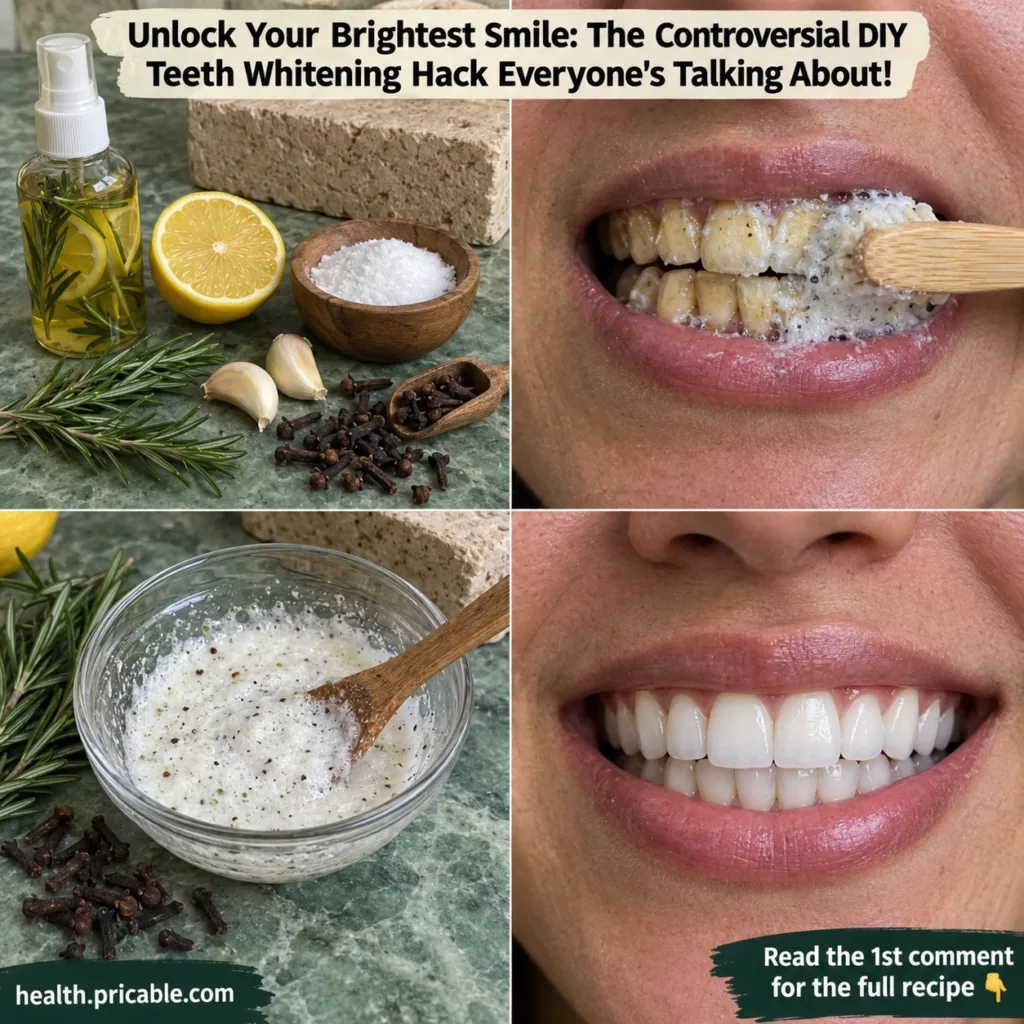
Quick Recipe
Prep time: 5-10 minutes
Best for: Improving the appearance of yellow tooth stains
Use type: Tooth paste/scrub
Main ingredients:
- Fresh lemon juice
- Fine sea salt
- Garlic
- Ground cloves
Ingredients
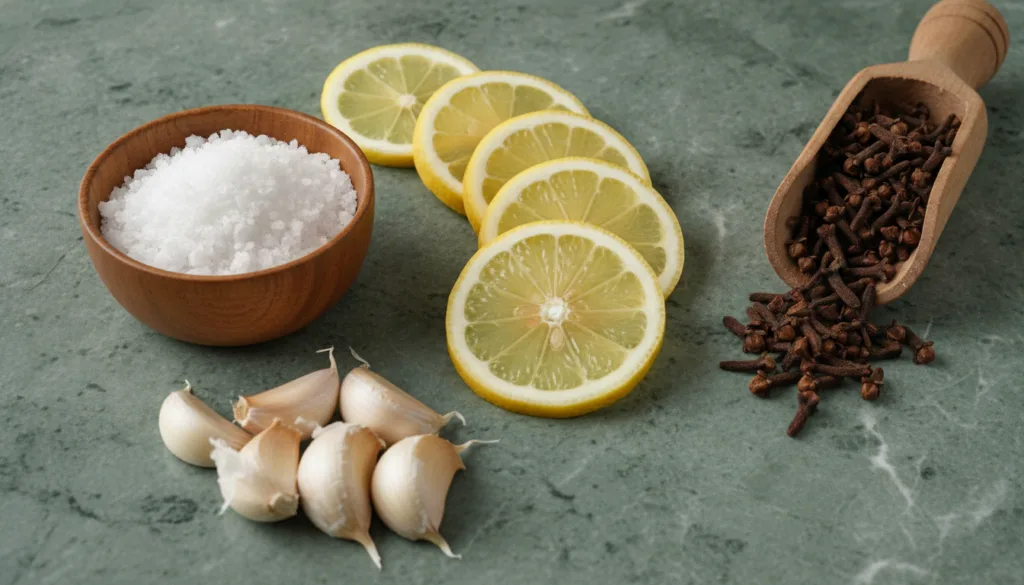
- 1/2 teaspoon fine sea salt
- 1 small garlic clove, minced or finely grated
- 1/4 teaspoon ground cloves (or 2-3 whole cloves, finely crushed)
- 1/2 teaspoon fresh lemon juice
- Optional: A few drops of water to adjust consistency
How to Make It
- In a small, non-reactive bowl, combine the fine sea salt, minced garlic, and ground cloves. Stir them together well.
- Add the fresh lemon juice to the dry ingredients. Mix thoroughly to form a thick, speckled paste.
- If the paste is too thick for easy application, add a few drops of water, one at a time, until it reaches a brushable consistency.
How to Use It
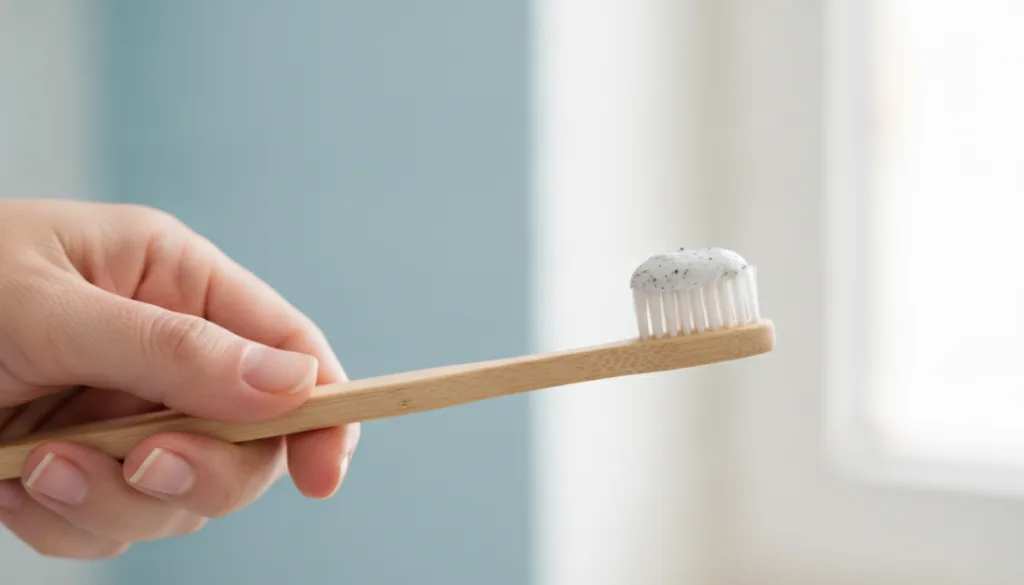
- Apply a small amount of the prepared paste onto a clean, soft-bristled toothbrush.
- Gently brush your teeth in small, circular motions for no more than 30 seconds. Focus on areas with stains. Avoid vigorous scrubbing.
- Rinse your mouth thoroughly with plain water several times to ensure all traces of the paste are removed.
How Often to Use It
Due to the abrasive and acidic nature of the ingredients, this remedy should be used with extreme caution and very infrequently, if at all. We recommend using it no more than once every two weeks, and ideally, even less often. This is not a substitute for daily oral hygiene.
Why These Ingredients Are Used
Lemon Juice
Lemon juice is often traditionally associated with brightening remedies due to its natural acidity. In this context, it is believed to help lift surface stains.
Fine Sea Salt
Salt acts as a mild abrasive, which can help physically scrub away superficial stains from the tooth surface.
Garlic
Garlic is well-known for its antimicrobial properties in many traditional remedies. While less directly linked to teeth whitening, it contributes to the overall blend as per the traditional recipe.
Ground Cloves
Cloves are a common ingredient in traditional oral care for their refreshing and potentially pain-relieving qualities. They also add an aromatic element to the paste.
What Results to Expect
This DIY paste may help in reducing the appearance of surface stains, potentially supporting a brighter-looking smile. Individual results can vary significantly, and the effect is typically on external, superficial stains rather than deep discoloration.
Safety Notes
This is a highly controversial DIY remedy, and dental professionals generally advise against it due to significant risks.
- Consult Your Dentist First: Always speak with your dentist before trying any DIY teeth whitening methods, especially those involving acidic or abrasive ingredients.
- Enamel Erosion: The citric acid in lemon juice can erode tooth enamel, making teeth more susceptible to decay, sensitivity, and further staining. Enamel cannot regenerate.
- Gum Irritation: The abrasive salt and strong ingredients like garlic and cloves can irritate or damage delicate gum tissue, potentially leading to inflammation, recession, or sensitivity.
- Increased Sensitivity: Using this paste may increase tooth sensitivity to hot, cold, or sweet foods and drinks.
- Damage to Dental Work: This remedy can damage fillings, crowns, veneers, and other dental restorations.
- Do Not Swallow: Ensure you do not swallow any of the paste or rinse water.
- Use Gently and Sparingly: If you choose to try this, brush with extreme gentleness for a very short duration, and only very infrequently.
- Not a Substitute for Professional Care: This remedy is not a substitute for regular brushing, flossing, or professional dental cleaning and check-ups.
- Stop if Discomfort Occurs: Discontinue use immediately if you experience any pain, sensitivity, gum irritation, or other adverse reactions.
FAQ
Is this DIY teeth whitening hack safe for daily use?
No, this hack is not safe for daily use. The ingredients, especially lemon juice and salt, can be very harsh on tooth enamel and gums, leading to irreversible damage over time. It should be used with extreme caution and very infrequently, if at all.
How quickly can I expect to see results from this paste?
Results can vary greatly among individuals and are typically subtle, focusing on surface stain removal. Due to the high risk of enamel damage, it’s not recommended to increase frequency in pursuit of quicker results. Manage expectations, as this is not a substitute for professional whitening.
Can I use this remedy if I have sensitive teeth or gum disease?
It is strongly advised against using this remedy if you have sensitive teeth, gum disease, or any existing oral health issues. The ingredients can exacerbate sensitivity and further irritate compromised gums or oral tissues.
Final Thoughts
While the idea of a DIY teeth whitening solution using kitchen staples can be tempting, it’s crucial to approach such remedies with a full understanding of the potential risks. Protecting your oral health is paramount. For safe and effective teeth whitening options, always consult with your dentist. They can recommend professional treatments or suitable over-the-counter products that won’t compromise the health of your enamel and gums. Stay informed and prioritize your dental well-being!