For too long, the idea that only meat can provide sufficient protein has been a common misconception. But it’s time to set the record straight: plants pack all the protein you need, along with a powerful array of fiber, vitamins, and essential nutrients. Our latest infographic, which inspired this deep dive, vividly showcases 28 diverse plant-based powerhouses, from humble lentils to nutrient-dense spirulina.
This comprehensive guide is here to prove that you absolutely don’t need meat to fuel your body with valuable protein, fiber, and essential nutrients. We’ll explore these incredible plant sources, break down their protein content, and uncover the myriad benefits of embracing a plant-rich diet. It’s time to choose plants, choose health, and choose our planet!

The Protein Myth, Debunked: Plants Are True Powerhouses
The notion that plant-based diets are inherently protein-deficient is a persistent myth. In reality, a well-planned plant-based diet can easily meet, and even exceed, your daily protein requirements. Plants offer not just protein, but also an abundance of fiber, antioxidants, and a spectrum of vitamins and minerals often lacking in diets heavy on animal products. This means you’re getting more than just protein; you’re getting holistic nutrition.
Unveiling 28 Plant-Based Protein Stars
Let’s dive into the incredible variety of plant-based foods that can effortlessly boost your protein intake. The following list highlights these protein champions, along with their approximate protein content per 100 grams, as featured in our infographic.
Legumes & Pulses: Your Everyday Protein Staples
- Lentils (9g per 100g): Versatile and packed with fiber, perfect for soups, stews, and salads.
- Chickpeas (7g per 100g): Great for hummus, curries, and roasted snacks.
- Black Beans (21g per 100g): A hearty addition to tacos, bowls, and chili. (Note: This high value refers to dried beans; cooked black beans contain around 9g per 100g).
- Edamame (11g per 100g): Delicious steamed or added to stir-fries and salads.
- Peanuts (26g per 100g): A classic snack, or in the form of nutrient-rich peanut butter.
Grains: Foundation of a Balanced Diet
- Quinoa (14g per 100g): A complete protein, fantastic as a side dish or in salads.
- Oats (13g per 100g): Not just for breakfast; think oat flour or savory oat bowls.
- Brown Rice (3g per 100g): A staple grain that contributes modest protein and ample fiber.
Nuts & Seeds: Small But Mighty
- Almonds (21g per 100g): Excellent for snacking, almond butter, or milk.
- Walnuts (15g per 100g): Rich in omega-3s, great for baking or salads.
- Chia Seeds (17g per 100g): Known for their omega-3s and fiber, perfect for puddings and smoothies. Consider the best chia seeds for your dietary needs.
- Hemp Seeds (31g per 100g): A powerhouse for protein and healthy fats, sprinkle on anything.
- Pumpkin Seeds (24g per 100g): Crunchy and nutritious, ideal for salads or as a snack.
- Sunflower Seeds (21g per 100g): A versatile snack, also great in bread and cereals.
Vegetables: Hidden Protein Gems
- Kale (4g per 100g): A leafy green with surprising protein content and numerous vitamins.
- Broccoli (3g per 100g): A cruciferous classic, packed with fiber and vitamins.
- Spinach (3g per 100g): Another leafy powerhouse for salads and cooking.
- Brussels Sprouts (3g per 100g): Often overlooked, these mini cabbages are nutrient-dense.
- Artichoke (3g per 100g): A unique vegetable offering fiber and protein.
- Mushrooms (3g per 100g): Earthy and versatile, adding depth to many dishes.
- Asparagus (2g per 100g): Delicate spears offering vitamins and a touch of protein.
- Avocado (2g per 100g): While primarily a healthy fat source, it adds some protein too.
- Sweet Potato (2g per 100g): A nutrient-rich carbohydrate with a small protein contribution.
- Potato (2g per 100g): A staple food that, despite its reputation, does provide some protein and significant potassium.
Plant-Based Alternatives: Innovation in Nutrition
- Seitan (75g per 100g): Made from wheat gluten, it’s a remarkably high-protein meat substitute.
- Spirulina (57g per 100g): A blue-green algae, one of the most protein-dense foods on the planet.
- Tempeh (19g per 100g): Fermented soybean product, firm texture, and a nutty flavor.
- Tofu (8g per 100g): Made from condensed soy milk, a versatile base for many meals.
The Power of Plants: Beyond Just Protein
The benefits of a plant-based diet extend far beyond simply meeting your protein needs. As our infographic highlights, choosing plants is a holistic decision for your body and the planet.
Nutritious: A Full Spectrum of Health
Plant-based foods are inherently nutrient-dense. They’re typically rich in dietary fiber, which aids digestion, promotes gut health, and helps regulate blood sugar. You’ll also find an abundance of essential vitamins (like Vitamin C, K, and folate) and minerals (such as iron, magnesium, and potassium), along with powerful antioxidants that protect your cells from damage.
Powerful: Fueling Your Body Naturally
Don’t let anyone tell you plants can’t make you strong. Plant-based diets provide sustainable energy, support muscle maintenance and growth (yes, even for athletes!), and can enhance stamina. The complex carbohydrates found in many plant foods offer a steady release of energy, keeping you feeling full and energized throughout the day without the crashes associated with highly processed foods.
Sustainable: Good for You, Good for the Earth
Opting for plant-based proteins is a powerful choice for the environment. Plant-based diets typically have a significantly lower carbon footprint, require less water, and use fewer land resources compared to diets heavy in animal products. By choosing plants, you’re actively contributing to a healthier planet for current and future generations.
Integrating Plant Proteins into Your Daily Diet
Incorporating more plant-based proteins into your meals can be simple and delicious. Here are some practical ideas:
- Breakfast Boost: Start your day with a high-protein breakfast. Try overnight oats with chia seeds and hemp seeds, a tofu scramble, or a smoothie with spirulina and protein powder.
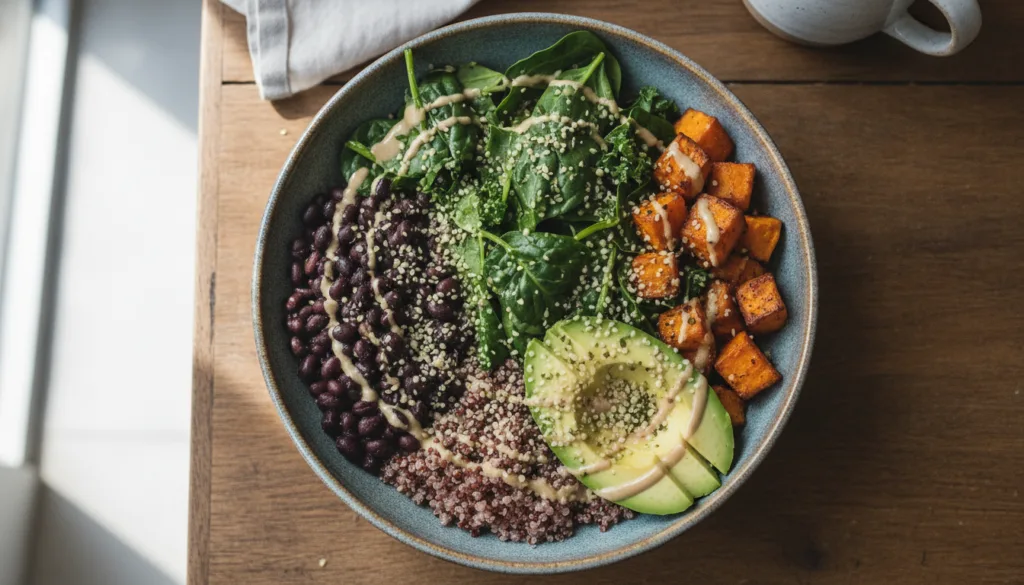
- Lunch & Dinner: Build your meals around legumes like lentils, chickpeas, or black beans. Think hearty lentil soup, chickpea curry, or black bean burgers. Quinoa bowls packed with roasted vegetables and a source of plant protein are excellent healthy meal prep ideas.
- Smart Snacking: Grab a handful of almonds or walnuts, a serving of edamame, or some pumpkin seeds. Hummus with veggie sticks is another fantastic option.
- Explore Alternatives: Experiment with seitan, tempeh, and tofu in stir-fries, sandwiches, or as meat substitutes in your favorite recipes.
Frequently Asked Questions About Plant Protein
Do plant proteins contain all essential amino acids?
Yes! While some individual plant foods may be lower in one or two essential amino acids (these are often called ‘limiting amino acids’), a varied plant-based diet throughout the day will provide all the essential amino acids your body needs. Foods like quinoa, soy products (tofu, tempeh, edamame), and spirulina are considered complete proteins on their own.
How can I ensure I get enough protein on a plant-based diet?
Focus on incorporating a variety of protein-rich plant foods into every meal. This includes legumes, whole grains, nuts, seeds, and plant-based alternatives. Pay attention to portion sizes and consider tracking your intake for a few days to ensure you’re meeting your needs, especially if you have higher protein requirements due to activity levels.
Are there any plant proteins I should avoid?
Generally, no. All plant proteins are beneficial. However, some individuals may have sensitivities or allergies to specific plant foods (e.g., soy, peanuts, gluten), so it’s important to be mindful of your own body’s reactions.
Final Thoughts: Choose Plants, Choose Health, Choose Our Planet
The evidence is clear: plant-based proteins are not just viable but thrive-able. They offer a complete nutritional package that supports your health, fuels your body with sustained energy, and aligns with a more sustainable lifestyle. By incorporating the diverse range of plant-based powerhouses highlighted in our infographic, you can confidently meet your protein needs and enjoy a vibrant, healthy future.
Embrace the bounty of the plant kingdom. Choose plants, choose health, choose our planet!