Every home gardener knows the simple joy of creating a beautiful, functional outdoor space. But what if your garden could also offer a layer of quiet, practical security? The need for a spare house key is universal, whether it’s for family members, trusted neighbors, or unexpected emergencies. Yet, simply placing it under the doormat is hardly a secret!
Instead of obvious spots, your garden offers a canvas for clever, discreet solutions that blend seamlessly with your landscaping. By thoughtfully selecting the right spot and integrating natural elements, you can create a truly hidden key hider that’s both effective and aesthetically pleasing. Let’s explore how to combine smart security with beautiful garden design, turning a mundane necessity into an opportunity for thoughtful garden planning.
The Art of Discreet Garden Placement
Creating a hidden key spot is less about magic and more about mindful design. The goal is to make your chosen spot look entirely natural, something that doesn’t draw attention or look out of place. Consider areas that aren’t regularly trafficked by visitors or visible from the street. Think about the existing textures and colors in your garden – dark mulch, varying shades of green foliage, and natural stones.
The key to success lies in mimicking the natural environment. A solo rock in a perfectly manicured lawn might raise eyebrows, but a rock nestled among established groundcovers or integrated into a mulched bed instantly becomes part of the landscape.
Crafting Your Secret Key Hiding Spot
To implement this clever trick, you’ll need a few simple items and a keen eye for integration:
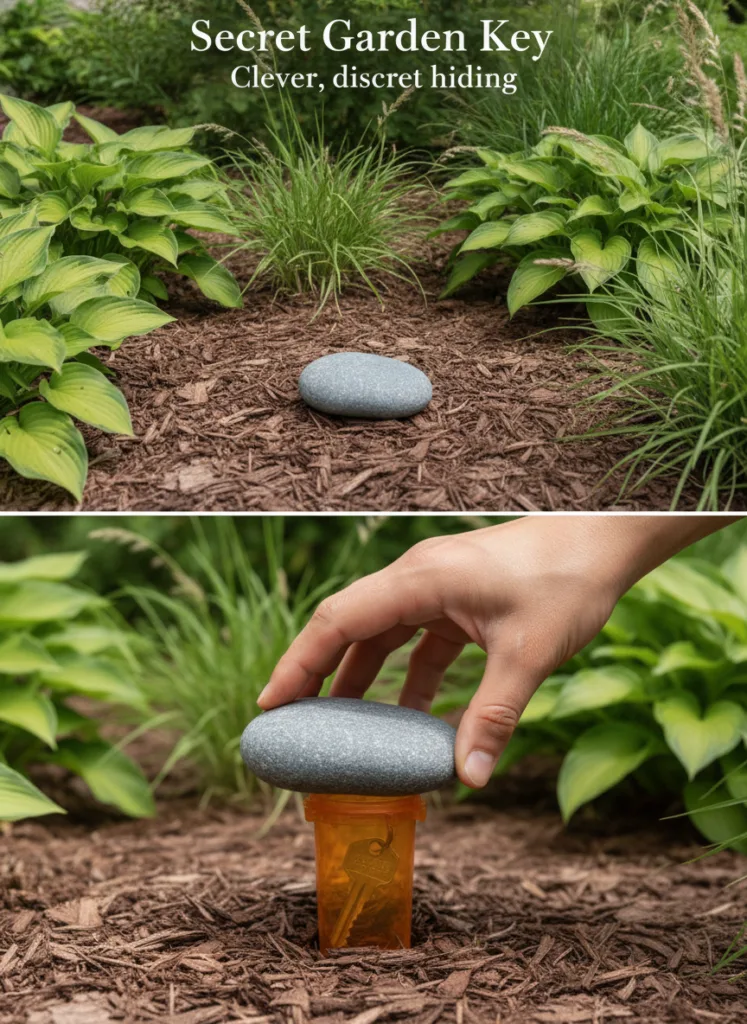
- Choose Your Container: A small, watertight container is essential. A clean, empty prescription pill bottle (like the orange one shown in the image) is ideal because it’s typically waterproof and small enough to be inconspicuous. Ensure it has a tight-fitting lid to protect your key from moisture, pests, and soil.
- Select Your Stone: Find a natural-looking stone that is heavy enough not to be easily disturbed but can be lifted by hand. A river stone, or a flat, irregularly shaped rock that blends with your garden’s aesthetic, works best. Avoid anything too perfectly round or unusually colored, as it might stand out.
- Identify the Location: Look for a spot in your garden that offers natural cover. This could be near a dense clump of perennials, at the base of a shrub, or within a mulched border. The area should have good drainage to prevent water pooling around your container.
- Prepare the Spot: Dig a small depression in the soil or mulch, just large enough to snugly fit your container. The top of the container should be flush with or slightly below the surrounding ground level.
- Place the Key: Secure your spare key inside the watertight container. Place the container into the prepared depression.
- Cover and Camouflage: Position your chosen stone directly over the hidden container. Gently arrange any surrounding mulch, leaves, or plant foliage to further obscure the stone’s edges and make it look as if it has always been there.
Remember, the less obvious the spot, the more effective your garden security.
Choosing Your Garden Guardians: Plants for Discretion
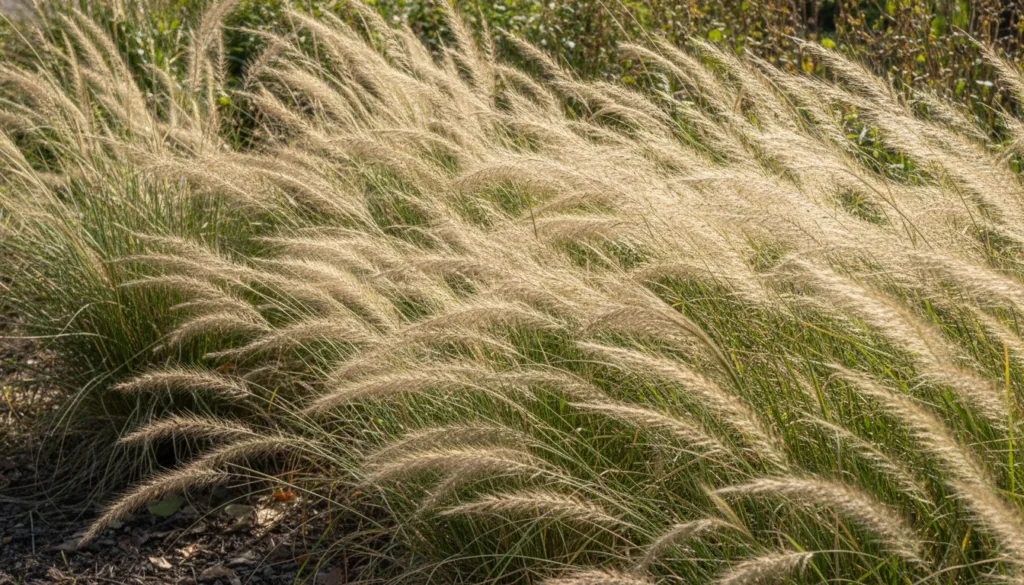
The plants you choose around your key hider play a crucial role in its success. They provide natural camouflage and help integrate the hidden spot into the larger garden design. The image features two excellent choices for this purpose: Hostas and ornamental grasses.
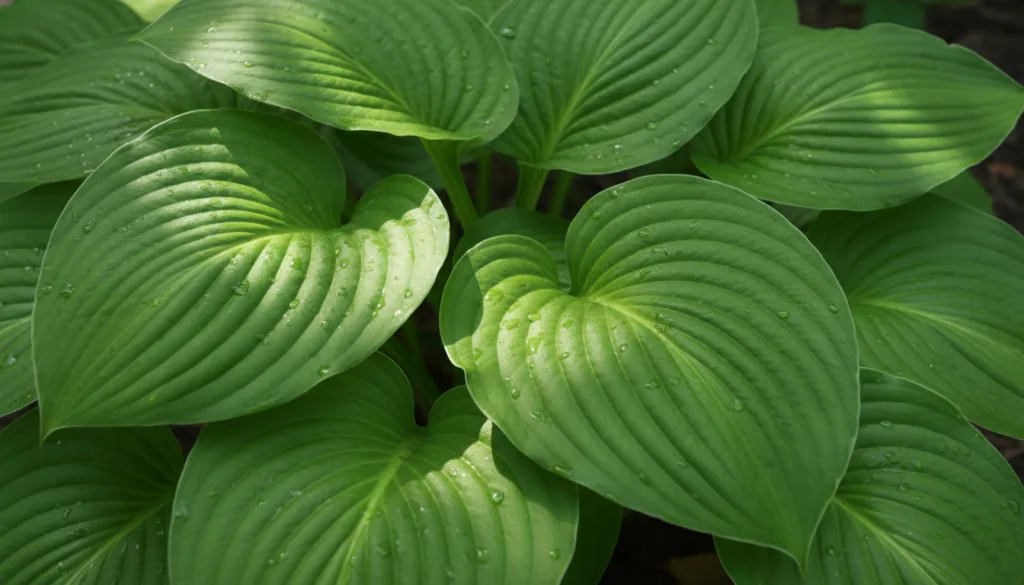
Hosta Plants (Hosta spp.)
Hostas are shade-loving perennials renowned for their lush foliage and wide array of leaf shapes, sizes, and colors. Their dense growth habit makes them perfect for concealing secrets.
- Hardiness: USDA Zones 3-9. Hostas thrive in a wide range of climates, tolerating cold winters in northern zones and performing well in more temperate regions.
- Plant Type: Herbaceous perennial.
- Exposure: Partial to full shade. While some newer cultivars can tolerate more sun, most prefer morning sun and afternoon shade, or dappled light throughout the day. Too much direct sun can scorch their leaves.
- Height: 6 inches to 4 feet, depending on the cultivar.
- Spread: 1 to 6 feet, forming dense clumps.
- Soil & Drainage: Prefers rich, well-draining soil with consistent moisture. Amend heavy clay soils with organic matter like compost to improve drainage and fertility.
- Watering Needs: Regular watering, especially during dry spells. Keep the soil consistently moist but not waterlogged.
- Practical Care Tip: Divide Hostas every few years in early spring or fall to maintain vigor and expand your collection. They are also prone to slug and snail damage; consider organic slug baits or hand-picking.
- Value in Hiding: Their broad leaves and dense, mounding habit create excellent visual barriers, naturally obscuring ground-level items like a hidden key.
Ornamental Grasses (Various Species)
Ornamental grasses add texture, movement, and year-round interest to the garden. Their wispy, often dense growth can provide excellent cover and visual distraction.
- Hardiness: Varies greatly by species, generally USDA Zones 4-9 for many common varieties like Fountain Grass (Pennisetum alopecuroides) or Little Bluestem (Schizachyrium scoparium).
- Plant Type: Perennial or annual, depending on species and zone. Many are perennial in warmer zones and grown as annuals in colder regions.
- Exposure: Full sun to partial shade, depending on the species. Most ornamental grasses prefer full sun for best growth and flowering.
- Height: 1 to 8 feet+, depending on the species.
- Spread: 1 to 5 feet+, forming clumps or spreading.
- Soil & Drainage: Adaptable to a wide range of soils, but good drainage is crucial. Many tolerate poor or dry soils once established.
- Watering Needs: Drought-tolerant once established, but appreciate occasional watering during prolonged dry periods.
- Practical Care Tip: Most perennial ornamental grasses benefit from being cut back in late winter or early spring before new growth emerges. This keeps them tidy and vigorous.
- Value in Hiding: Their fine textures and often arching or upright growth can create a ‘screen’ effect, making it difficult to spot small objects at their base.
General Garden Security and Plant Care Tips
Beyond the hidden key, consider these tips to enhance your garden’s overall security and health:
- Strategic Planting: Use thorny shrubs (like barberry or roses) near windows or fences as natural deterrents.
- Good Lighting: Install motion-sensor lights in key areas around your home and garden.
- Clear Sightlines: Prune shrubs and trees to remove hiding spots near your house, but leave enough density to conceal your key hider.
- Consistent Mulching: A thick layer of wood mulch (as seen in the image) not only helps suppress weeds and retain soil moisture but also adds a uniform background against which a discreetly placed stone looks natural. It also makes digging around less appealing.
- Regular Maintenance: A well-cared-for garden looks occupied and less inviting for intruders. Keep beds tidy, prune plants, and ensure your plants are healthy.
- Consider Container Gardening: For smaller spaces or patios, you can create a similar discreet spot within a large container planting, ensuring the container isn’t easily moved.
Common Mistakes to Avoid
Even with the best intentions, a few missteps can undermine your clever key hider:
- Choosing an Obvious Spot: Placing the rock too close to the front door, under a window, or in a bare, exposed area defeats the purpose. The more it looks like a natural, undisturbed part of the garden, the better.
- Using a Non-Waterproof Container: Moisture is the enemy of keys. A plastic bag or a flimsy container will lead to rust and a non-functional key. Always use a truly watertight vessel.
- Not Securing the Container: If the container isn’t snugly fitted into the ground, it can shift, become exposed, or be washed away in heavy rain.
- Selecting the Wrong Stone: A stone that’s too small, too light, or too distinctive will be easily noticed or moved. Aim for something heavy, natural, and unassuming.
- Neglecting Surrounding Plants: If the plants around your key hider die back, get overgrown, or look unhealthy, the hiding spot can become exposed or draw unwanted attention. Consistent plant care is key.
- Forgetting Where You Put It: While discretion is important, make sure you, and anyone else who needs to know, can reliably find it! A subtle mental marker or a hidden note (not with the key!) can be helpful.
Conclusion: Smart Solutions for a Secure & Beautiful Garden
Your garden is a place of beauty, growth, and tranquility. By integrating thoughtful solutions like a discreet key hider, you can enhance its functionality without compromising its charm. This simple DIY project, beautifully camouflaged by robust Hostas and wispy ornamental grasses, exemplifies how practical needs can inspire creative landscaping.
Embrace the challenge of turning everyday necessities into opportunities for thoughtful garden design. Not only will you gain peace of mind with an accessible spare key, but you’ll also deepen your connection to your garden by observing its textures, forms, and the clever ways nature provides cover. Happy gardening!