Natural Garden Guardians: Five Easy Herbs to Keep Pests Away!
Are you dreaming of a lush, thriving garden without the constant battle against pesky insects? What if we told you that the secret to a naturally pest-free haven might be hiding in your herb garden? Forget harsh chemicals and complicated solutions – embracing the power of companion planting with herbs is an organic, effective, and aromatic way to protect your plants and enjoy a healthier harvest.
Many common garden pests are deterred by the strong scents and natural compounds found in certain herbs. By strategically planting these green guardians alongside your vegetables, flowers, and other garden favorites, you can create a natural barrier that encourages beneficial insects while sending the unwanted ones packing. Let’s explore five easy-to-grow herbs that are superstars in natural pest control!
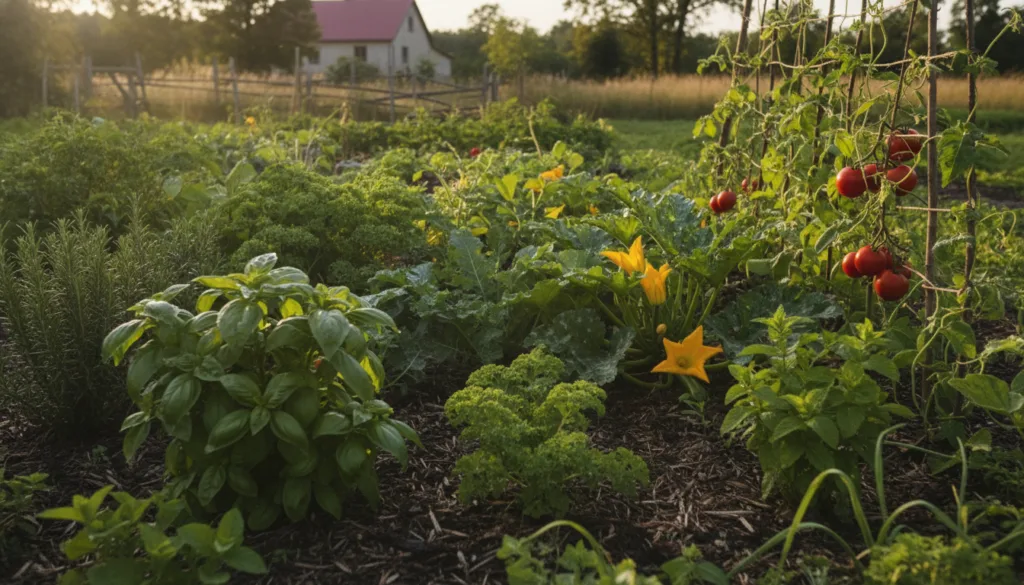
Why Choose Natural Pest Control?
Opting for natural pest control methods offers numerous advantages. It’s safer for your family, pets, and the environment. You avoid introducing synthetic chemicals into your soil and food, ensuring an organic harvest. Plus, natural solutions often foster a more balanced ecosystem, attracting pollinators and beneficial predatory insects that help maintain garden health.
Meet Your Garden’s Best Friends: Five Pest-Repelling Herbs
1. Basil (Ocimum basilicum)
More than just a delicious culinary herb, basil is a powerful deterrent for several common garden pests. Its strong aroma is particularly disliked by flies and mosquitoes, making it a great choice for planting near outdoor seating areas. When planted alongside tomatoes, basil is known to repel tomato hornworms and even improve the flavor of the tomatoes! It can also help keep thrips away from your tender plants.
- Pests it repels: Flies, mosquitoes, tomato hornworms, thrips.
- Best planted near: Tomatoes, peppers, petunias.
2. Mint (Mentha spp.)
The refreshing scent of mint is a nightmare for many garden invaders. Varieties like spearmint and peppermint are excellent for driving away ants, aphids, flea beetles, and even rodents. Mint is very vigorous and can be invasive, so it’s often best grown in containers or with root barriers to keep it from taking over your garden beds.
- Pests it repels: Aphids, flea beetles, cabbage moths, ants, rodents.
- Best planted near: Cabbage, carrots, tomatoes (in containers).
3. Rosemary (Salvia rosmarinus)
This fragrant evergreen herb is a staple in many kitchens and an unsung hero in the garden. Rosemary’s woody, pungent aroma deters a variety of pests, including cabbage moths, carrot rust flies, slugs, and snails. It’s also known to repel mosquitoes and some types of flies. Plant it near brassicas (like broccoli and cauliflower) and carrots for maximum effect.
- Pests it repels: Cabbage moths, carrot rust flies, slugs, snails, mosquitoes.
- Best planted near: Cabbage, broccoli, carrots, beans.
4. Thyme (Thymus vulgaris)
Thyme, with its delicate leaves and earthy scent, is another fantastic addition to your pest-repelling arsenal. It’s particularly effective against cabbage worms and whiteflies, which can wreak havoc on many vegetable plants. Planting creeping thyme as a ground cover can also help suppress weeds while providing pest control benefits.
- Pests it repels: Cabbage worms, whiteflies, corn earworms.
- Best planted near: Cabbage, broccoli, kale, potatoes.
5. Lavender (Lavandula spp.)
Known for its beautiful purple blooms and calming fragrance, lavender is also a formidable foe against various pests. Its strong scent repels moths, fleas, mosquitoes, and flies. While it won’t repel chewing insects, its ability to deter flying pests makes it a wonderful border plant for your garden or patio, adding beauty and protection.
- Pests it repels: Moths, fleas, mosquitoes, flies, ticks.
- Best planted near: Roses, fruit trees, seating areas.
Tips for Incorporating Pest-Repelling Herbs into Your Garden
- Companion Planting: Plant these herbs directly alongside the specific vegetables or flowers they protect.
- Strategic Placement: Place pots of mint or basil near entry points to your home or patio to deter mosquitoes and flies.
- Crop Rotation: Rotate your main crops each season and include pest-repelling herbs to break pest cycles.
- Healthy Soil: Remember that healthy soil leads to healthy, resilient plants, which are naturally more resistant to pests.
By harnessing the natural power of these five easy herbs, you can transform your garden into a more resilient, vibrant, and pest-resistant paradise. Not only will you enjoy fresh herbs for your culinary delights, but you’ll also create a healthier environment for all your plants to thrive. Happy gardening!