Ready to uncover a golden secret for beautifully radiant skin? Imagine transforming ordinary carrots into a nourishing elixir right in your own kitchen – a simple, natural beauty trick that’s been cherished for generations. It’s an easy, practical way to give your skin a natural, healthy glow. Who’s excited to learn how to make this amazing face oil at home?
Here at Natural Wellness By R, we believe true beauty shines from within, supported by gentle care and natural remedies. And when it comes to nurturing your skin, sometimes the most profound secrets are found in the simplest ingredients. Today, we’re diving into the wonderful world of homemade carrot oil, a beloved staple in natural skincare that promises to bring a touch of sun-kissed vibrancy to your complexion.
Why This Natural Elixir Matters for Your Skin
In a world often saturated with complex skincare routines and synthetic ingredients, there’s a growing appreciation for the power of nature. People are increasingly seeking pure, effective solutions that align with their desire for holistic wellness and healthy aging. This is precisely why natural remedies like homemade carrot oil have seen a resurgence in popularity.
You might be wondering: what makes carrots so special for skin? It’s not just an old wives’ tale! Carrots are packed with potent nutrients that can truly benefit your skin. Many commercial products promise a radiant glow, but often come with long lists of ingredients. Crafting your own carrot oil allows you to control exactly what goes onto your skin, avoiding unwanted chemicals and embracing the simple goodness of nature. It’s a return to traditional wisdom, offering a gentle yet effective path to a vibrant complexion.
The Golden Power of Carrots: How They Nourish Your Skin
The magic behind carrot oil lies in its primary ingredient: carrots! These humble root vegetables are a powerhouse of nutrition, especially when it comes to skin health.
The Science Behind the Glow
- Beta-Carotene (Pro-Vitamin A): Carrots are famously rich in beta-carotene, a potent antioxidant that the body converts into Vitamin A. Vitamin A is crucial for skin cell turnover, repair, and protection. It helps maintain the skin’s barrier function, promoting a smoother, healthier appearance.
- Antioxidant Protection: Beyond beta-carotene, carrots contain other antioxidants that help combat free radicals, which are environmental aggressors that can lead to premature aging. These antioxidants help protect your skin from daily damage, contributing to a more youthful look.
- Traditional Uses: Historically, various parts of the carrot plant have been used in traditional medicine and skincare for their perceived rejuvenating and healing properties. Applying carrot preparations topically was believed to soothe and nourish the skin, promoting a healthy complexion.
While carrot oil won’t miraculously erase wrinkles, its rich antioxidant profile and vitamin content can certainly support skin health, helping to maintain elasticity, promote a natural glow, and protect against environmental stressors. It’s about providing your skin with fundamental nourishment to help it look and feel its best.
Your Practical Guide to Homemade Carrot Oil
Making your own carrot oil is surprisingly simple and deeply satisfying. Here’s how you can create this nourishing elixir in your kitchen:
What You’ll Need:
- 2-3 medium-sized organic carrots
- 1-1.5 cups of a high-quality carrier oil (e.g., organic extra virgin olive oil, jojoba oil, sweet almond oil, or sunflower oil – choose one suitable for your skin type)
- A grater
- A slow cooker or a double boiler setup (a heat-proof bowl over a pot of simmering water)
- A fine-mesh sieve or cheesecloth
- A clean, dark glass bottle or jar for storage
Step-by-Step Instructions:
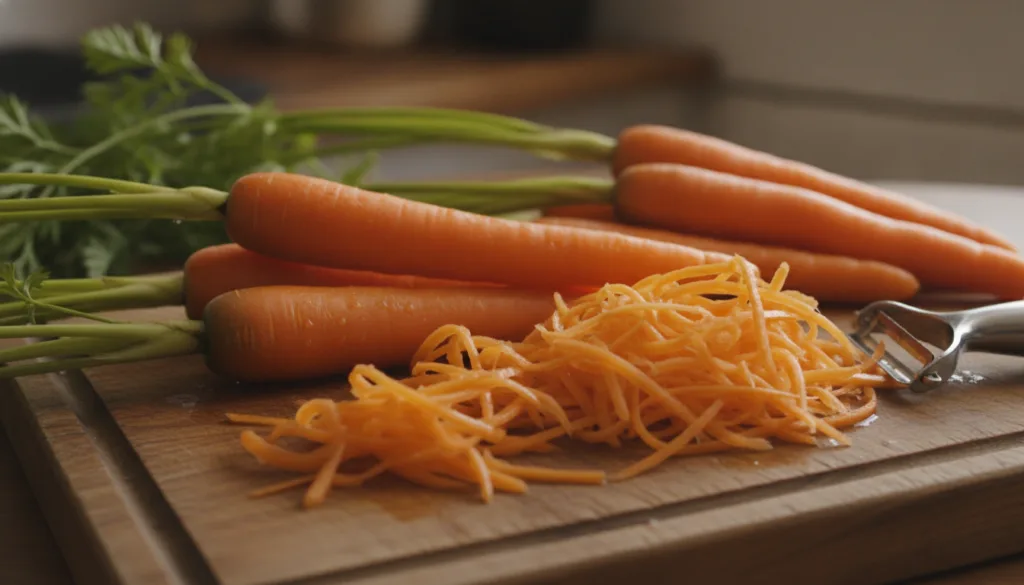
- Prepare the Carrots: Wash and peel the carrots thoroughly. Grate them finely. The finer the grate, the more surface area for the oil to extract the beneficial compounds.
- Combine Ingredients: Place the grated carrots into your slow cooker or the top bowl of your double boiler. Pour your chosen carrier oil over the carrots, ensuring they are completely submerged.
- Gentle Infusion (Choose Your Method):
- Slow Cooker Method: Set your slow cooker to the lowest setting (usually ‘warm’) for 2-4 hours. The goal is a gentle, consistent heat, not cooking. Stir occasionally.
- Double Boiler Method: Place the bowl with carrots and oil over a pot of simmering water (ensure the bottom of the bowl doesn’t touch the water). Heat gently for 2-3 hours, stirring occasionally. Keep the heat very low to prevent frying the carrots or damaging the oil.
You’ll notice the oil changing color, taking on a lovely golden or orange hue from the carrots. The carrots will soften.
- Strain the Oil: Once the infusion time is complete and the oil has cooled slightly, carefully strain the mixture through a fine-mesh sieve or several layers of cheesecloth into a clean bowl. Press firmly on the carrot pulp to extract all the precious oil. Discard the spent carrot pulp.
- Store Your Oil: Pour the strained carrot oil into a clean, dark glass bottle or jar. Dark glass helps protect the oil from light, preserving its potency.
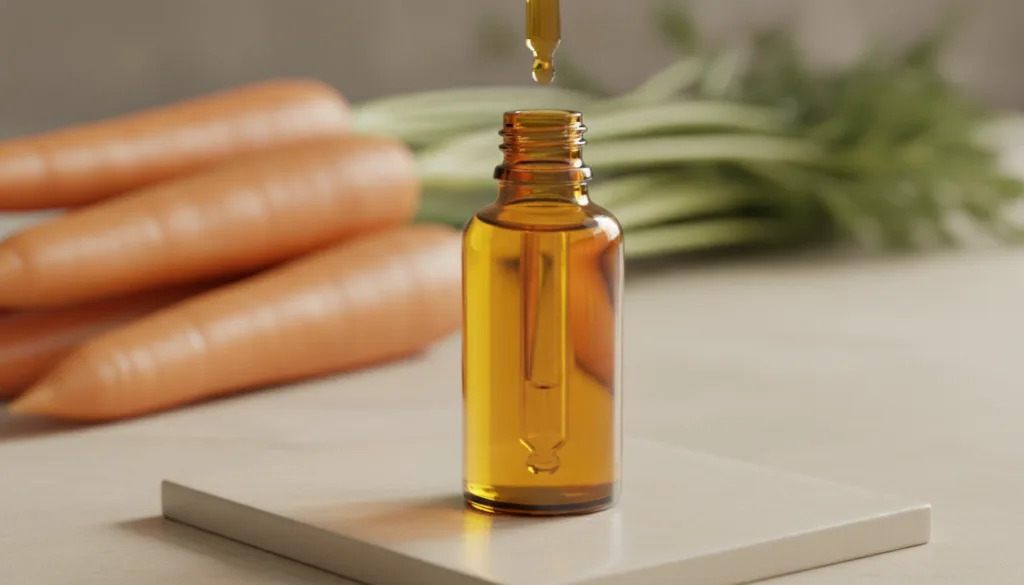
Usage Ideas & Tips:
- Face Oil: After cleansing and toning, apply a few drops of carrot oil to your face and neck, gently massaging it in. Use it morning and/or night.
- Body Moisturizer: Mix a few drops into your favorite body lotion or apply directly to damp skin after showering for an all-over glow.
- Hair Treatment: A small amount can be massaged into the scalp or applied to hair ends for added nourishment and shine.
- Frequency: Start by using it 2-3 times a week and adjust based on your skin’s needs.
- Storage: Store your homemade carrot oil in a cool, dark place. Properly stored, it can last for several months (check the shelf life of your carrier oil, as that will often dictate the oil’s longevity). If it develops an off smell or changes significantly in color, it’s time to discard it.
Safety & Precautions for Homemade Carrot Oil
While natural remedies are wonderful, it’s always important to approach them with care. Here are some key safety considerations for using homemade carrot oil:
- Patch Test: Before applying carrot oil to your face or a large area of your body, perform a patch test. Apply a tiny amount to a discreet area of skin (like your inner forearm) and wait 24 hours to check for any signs of irritation, redness, or allergic reaction.
- Skin Discoloration (Carotenemia): Because carrots are so rich in beta-carotene, excessive topical use (or very high dietary intake) *may* lead to a temporary yellowish or orange tint on the skin, especially in areas with thicker skin like palms and soles. This is generally harmless and reversible by reducing use, but it’s something to be aware of.
- Carrier Oil Allergies: Ensure you are not allergic to your chosen carrier oil (e.g., nut allergies with sweet almond oil).
- Sun Sensitivity: While carrot oil itself is not known to be photosensitizing, it’s always wise to use a broad-spectrum sunscreen when heading outdoors, especially when introducing new products to your skincare routine.
- Pregnancy & Existing Medical Conditions: If you are pregnant, nursing, or have any existing skin conditions or medical concerns, it’s always best to consult with your healthcare professional or a dermatologist before trying new home remedies.
- Purity: Ensure your ingredients are high quality and your equipment is clean to prevent contamination.
Key Takeaways for Your Radiant Skin Journey
- Homemade carrot oil is a natural, antioxidant-rich elixir for promoting glowing skin.
- It’s packed with beta-carotene, which your body converts to Vitamin A, vital for skin health.
- Making it at home is a simple, satisfying process using gentle heat infusion.
- Always perform a patch test before full application to check for sensitivity.
- Use in moderation to enjoy its benefits without potential skin discoloration.
- Store in a dark, cool place for optimal freshness and longevity.
Frequently Asked Questions About Homemade Carrot Oil
Q1: Will homemade carrot oil make my skin orange?
A: When used in moderation, it’s unlikely to make your skin distinctly orange. However, due to its high beta-carotene content, excessive or very frequent application *can* potentially lead to a mild, temporary yellowish or orange tint, particularly if you have very fair skin. This is usually harmless and resolves by reducing usage.
Q2: How often can I use carrot oil on my face?
A: Start by using it 2-3 times a week, especially if your skin is new to it. If your skin responds well, you can gradually increase to once daily, or as needed for hydration and glow. Pay attention to your skin’s unique needs.
Q3: What’s the best carrier oil to use for homemade carrot oil?
A: Good choices include organic extra virgin olive oil (rich in antioxidants), jojoba oil (mimics skin’s natural sebum), sweet almond oil (light and nourishing), or sunflower oil (rich in Vitamin E). Choose one that suits your skin type and preferences.
Q4: How long does homemade carrot oil last?
A: Stored in a cool, dark place in a dark glass bottle, homemade carrot oil typically lasts for several months, often as long as the shelf life of the carrier oil you used. Always check for any changes in smell or appearance; if it smells rancid, discard it.
Q5: Can I use carrot oil if I have oily or acne-prone skin?
A: Carrot oil can be beneficial for various skin types. For oily or acne-prone skin, consider using a non-comedogenic carrier oil like jojoba oil or grapeseed oil, and start with a very small amount to see how your skin reacts. Its anti-inflammatory properties *may* be helpful for some.
Q6: Does carrot oil protect against sun damage?
A: While carrot oil contains antioxidants that can help protect the skin from free radical damage caused by sun exposure, it is NOT a sunscreen and should never be used as a replacement for broad-spectrum SPF. Always apply sunscreen for proper sun protection.
Related Reading for Your Natural Wellness Journey
- The Power of Turmeric: An Anti-Inflammatory Kitchen Staple
- DIY Herbal Face Masks for Every Skin Type
- Nourish Your Body: Essential Foods for Healthy Aging
- The Gentle Art of Oil Cleansing: A Natural Path to Clear Skin
- Boost Your Immunity Naturally with These Everyday Herbs