Every gardener dreams of a thriving, bountiful harvest. But the truth is, Mother Nature can be unpredictable! From sudden dips in temperature that bring unexpected frost to persistent pests that feast on your hard work, protecting your precious plants is a constant challenge. That’s where garden covers come in – they are your garden’s best friend, offering a simple yet effective way to shield your crops and ensure healthier, more abundant yields.
Whether you’re a seasoned green thumb or just starting your gardening journey, understanding the different types of garden covers and how to use them can make all the difference. Let’s dive into the world of crop protection and discover how these essential tools can transform your garden!
Why Are Garden Covers Essential for Your Harvest?
Think of garden covers as an invisible shield for your plants. They offer protection against a multitude of threats, allowing your crops to flourish without stress. Here’s why they are so crucial:
-
Frost Protection: Early spring and late fall can bring unexpected frosts that damage or kill tender plants. Covers trap warmth, creating a microclimate that can keep your plants several degrees warmer than the outside air.
-
Pest Control: Many common garden pests – from cabbage worms to aphids and even larger critters like rabbits and birds – can decimate your crops overnight. Physical barriers prevent them from reaching your plants without the need for harmful chemicals.
-
Disease Prevention: By limiting direct contact between plants and environmental factors, some covers can reduce the spread of certain plant diseases.
-
Wind Protection: Strong winds can physically damage delicate seedlings and reduce pollination. Covers offer a much-needed buffer.
-
Sun Protection (Shade): While often associated with warmth, some covers, like shade cloths, protect sensitive plants from scorching summer sun, preventing wilting and sunburn.
-
Season Extension: With the right covers, you can start planting earlier in spring and keep harvesting later into the fall, effectively extending your growing season.
Types of Garden Covers and How to Use Them
Choosing the right cover depends on your specific needs and the time of year. Here are some of the most popular and effective options:
1. Row Covers (Floating Row Covers)
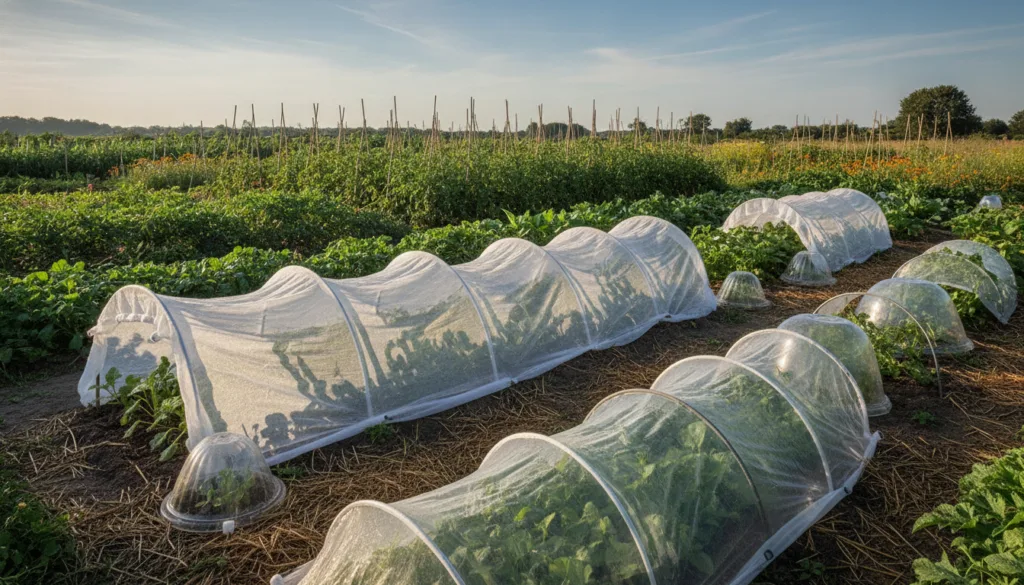
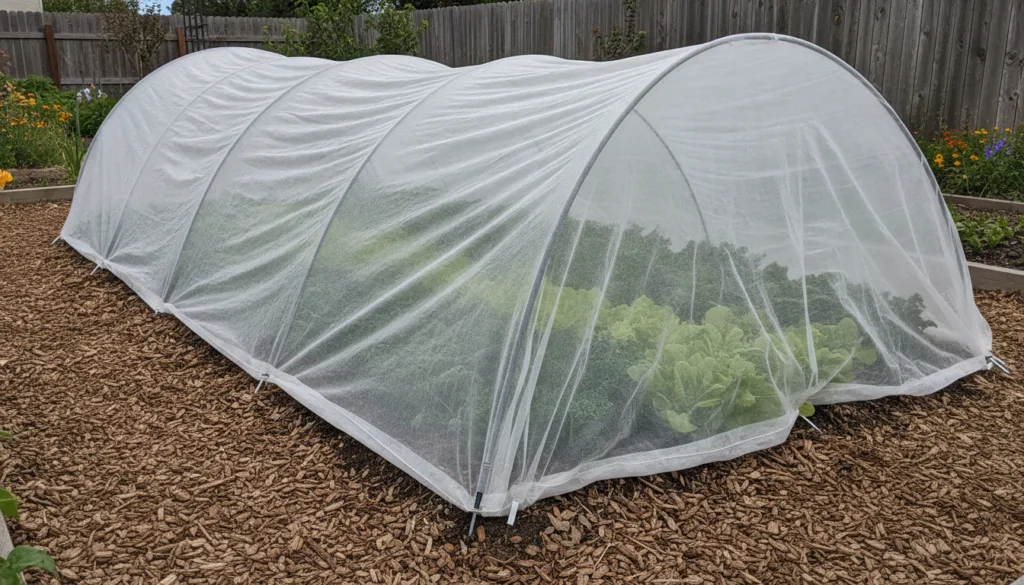
These are lightweight, translucent fabrics made from spun-bonded polypropylene or polyester. They are often called “floating” because they can be laid directly over plants or supported by hoops, allowing light, air, and water to pass through while keeping pests out and trapping heat.
-
Benefits: Excellent for frost protection (up to several degrees), pest exclusion (insects, birds, rabbits), and wind protection. They allow photosynthesis and watering without removal.
-
How to Use: Drape directly over crops, ensuring edges are secured with soil, rocks, or pins to prevent pests from crawling underneath. For taller plants, use wire or PVC hoops to create a tunnel. Remove for pollination if you are growing fruiting plants like tomatoes or squash that rely on insects.
2. Cloches
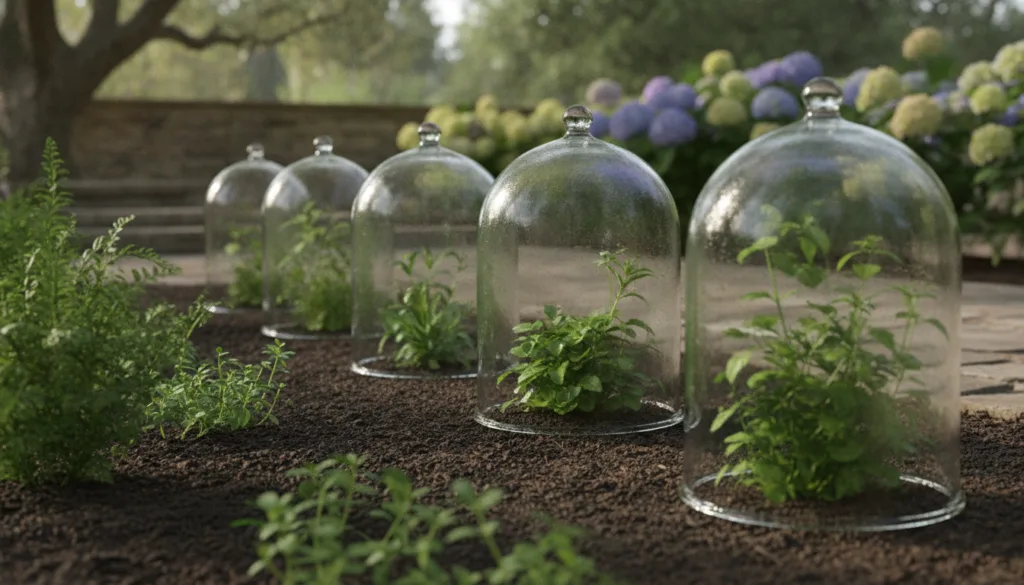
Cloches are individual protective covers, usually dome-shaped or bell-shaped, often made of glass, plastic, or even repurposed clear containers. They are perfect for protecting individual plants or small groupings.
-
Benefits: Ideal for protecting newly planted seedlings or tender plants from frost, cold winds, and small pests. They create a miniature greenhouse effect.
-
How to Use: Place directly over the plant you wish to protect. Remember to vent them during warm days to prevent overheating and ensure air circulation, especially if they are not breathable.
3. Cold Frames
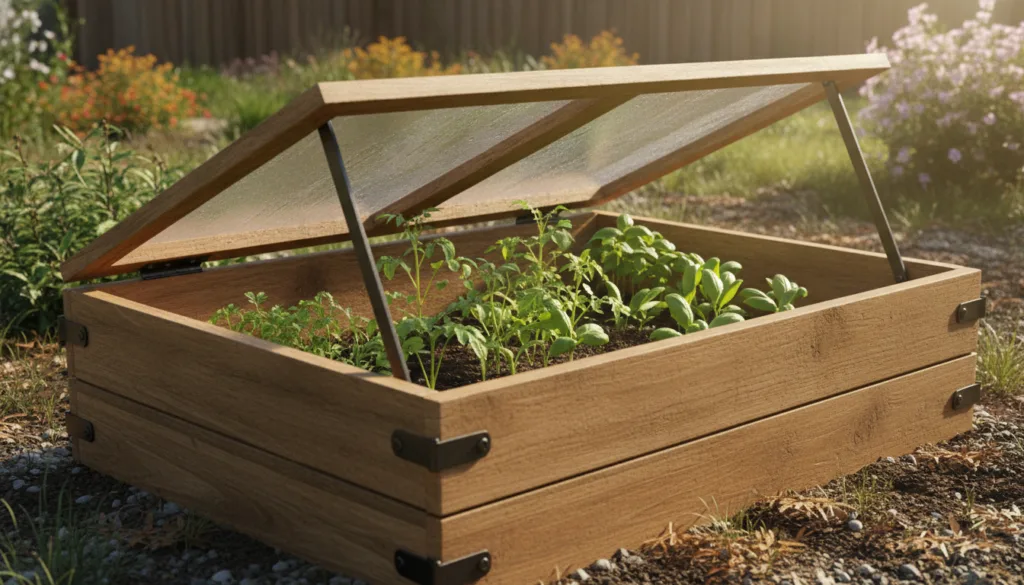
A cold frame is essentially a bottomless box with a transparent lid (often glass or polycarbonate) that sits directly on the ground. It’s like a mini-greenhouse, great for hardening off seedlings, extending the season, or growing cool-season crops through winter.
-
Benefits: Excellent for season extension, protecting overwintering plants, and hardening off transplants. Offers significant frost protection and shelters plants from harsh weather.
-
How to Use: Position in a sunny spot. Open the lid partially on warm days to provide ventilation and prevent overheating. Close at night or during cold spells to trap heat. The soil inside should be well-draining.
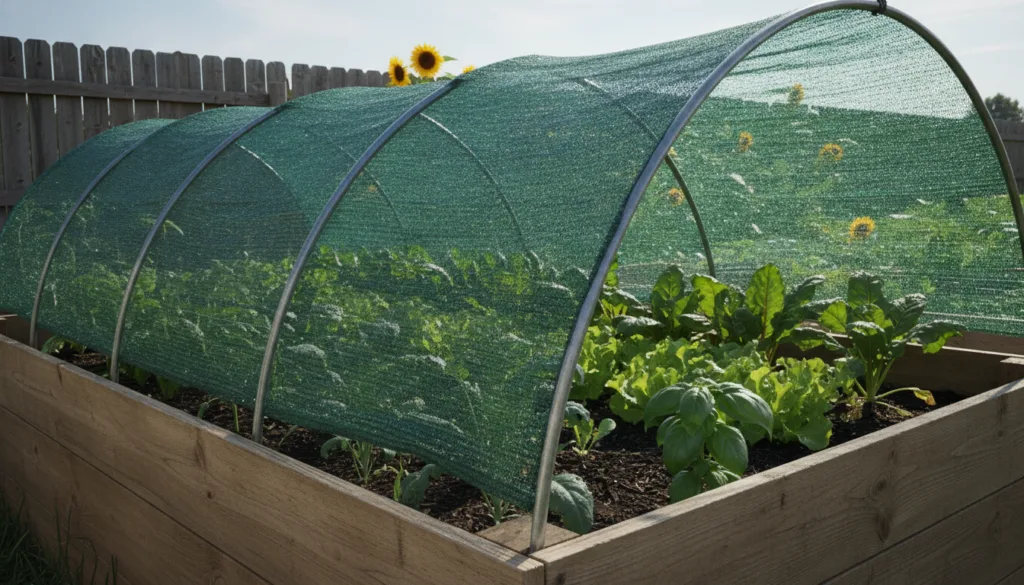
4. Shade Cloths
Unlike other covers, shade cloths are designed to reduce the intensity of sunlight and heat. They come in various densities (e.g., 30%, 50%, 70% shade) and are typically made from woven or knitted polyethylene.
-
Benefits: Protects plants from scorching sun and heat stress, reduces water evaporation, and can prevent bolting in cool-season crops during hot weather. Essential for sensitive plants like lettuce in summer.
-
How to Use: Suspend above plants using hoops, stakes, or a frame, ensuring good air circulation underneath. Choose the appropriate shade percentage for your specific crops and climate.
Tips for Maximizing Your Garden Covers
-
Anchor Properly: Always ensure your covers are securely anchored. Wind can easily carry them away, especially row covers.
-
Monitor Temperatures: Even with covers, extreme weather can be tricky. Use a thermometer inside cold frames or under cloches to ensure temperatures aren’t too high on sunny days or too low during extreme cold.
-
Ventilate: Especially with cold frames and cloches, remember to provide ventilation on warmer days to prevent overheating and fungal diseases. This is less critical for breathable row covers.
-
Consider Pollination: If you’re growing fruiting plants that require insect pollination (like squash, cucumbers, or melons), you’ll need to lift row covers during flowering periods or hand-pollinate. Leafy greens or root vegetables don’t have this issue.
-
Clean and Store: At the end of the season, clean your covers (especially if they’ve been used for pest exclusion) and store them properly to extend their lifespan.
Cultivate with Confidence!
Integrating garden covers into your gardening routine is a simple step that yields significant rewards. By protecting your crops from frost, pests, and harsh weather, you’re not just safeguarding your plants; you’re investing in the success and abundance of your garden. Embrace these invaluable tools, and get ready to enjoy healthier, more bountiful harvests all season long!
Happy gardening!