Most people ignore the ‘weeds’ in their garden, overlooking the hidden potential they might hold. One such unassuming plant, often known as “Asthma Weed,” has been a staple in traditional wellness practices for centuries, particularly for its role in supporting respiratory comfort. While its common name points to a specific use, understanding how to properly identify, prepare, and use this plant is key to tapping into its traditional benefits for overall lung wellness.
This isn’t about a “miracle cure” but rather a practical guide to a time-honored herbal tradition. One small preparation mistake, however, can reduce its effectiveness or even lead to unintended issues. Let’s explore how to prepare and use this botanical aid safely and effectively.
What is Asthma Weed?
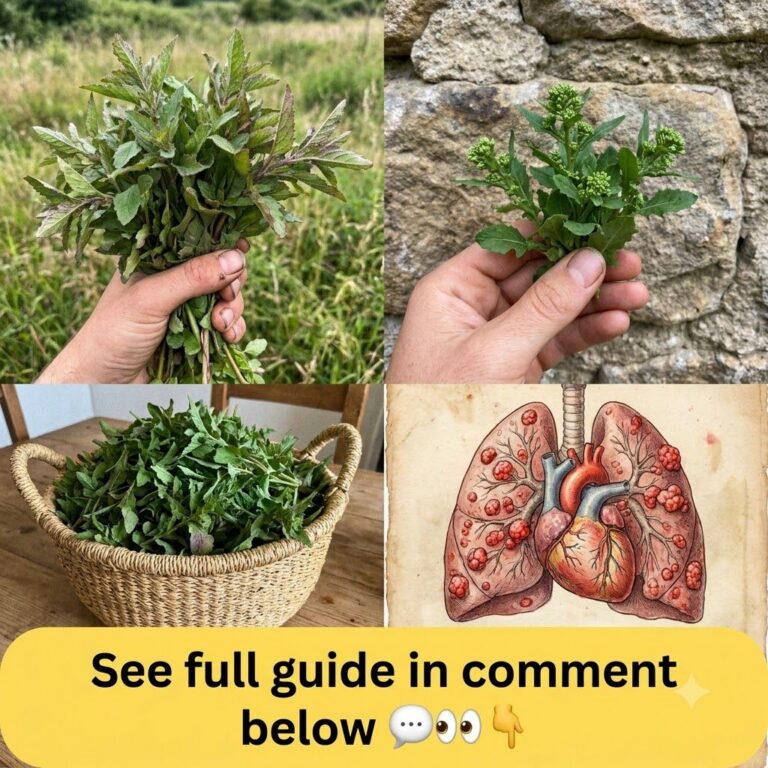
Commonly referred to as “Asthma Weed” (scientifically, it’s often Glinus oppositifolius, though other plants might share the common name), this annual herb thrives in tropical and subtropical regions. It’s characterized by its small, oval-shaped leaves and often grows close to the ground. In various traditional systems, particularly in Southeast Asia and parts of Africa, it has been valued specifically for its potential to ease breathing and provide comfort to the respiratory system. It’s the whole plant – leaves, stems, and sometimes roots – that is typically used, with teas and poultices being common forms of preparation.
The Traditional Lung Comfort Tea
One of the most popular and straightforward ways to utilize Asthma Weed for respiratory comfort is through a simple herbal tea. This method allows for the gentle extraction of its beneficial compounds.
Ingredients
- 1-2 tablespoons fresh Asthma Weed leaves and stems (chopped) OR 1 teaspoon dried Asthma Weed
- 1 cup filtered water
- Optional: 1 teaspoon honey or a squeeze of lemon for taste
Approximate Measurements
- Fresh Herb: Use roughly 5-10 grams of fresh material.
- Dried Herb: Use about 2-3 grams.
- Water: 240 ml (standard cup).
Formula / Recipe: Asthma Weed Infusion
This recipe focuses on creating a potent yet palatable infusion that can be consumed to support lung wellness.
Step-by-Step Method
- Preparation: If using fresh Asthma Weed, thoroughly rinse the leaves and stems under cool, running water to remove any dirt or debris. Chop them roughly. If using dried, no pre-preparation is needed.
- Heating the Water: Bring 1 cup of filtered water to a rolling boil in a small saucepan or kettle.
- Infusion: Place the chopped fresh herb or dried herb into a heat-proof mug or teapot. Pour the hot water directly over the herb.
- Steeping: Cover the mug or teapot with a lid or small saucer to trap the beneficial volatile compounds. Let it steep for 10-15 minutes. For a stronger brew, steep for up to 20 minutes.
- Straining: Strain the liquid into another mug, discarding the used plant material.
- Serve: Allow the tea to cool to a comfortable drinking temperature. Add honey or lemon if desired.
How to Use
This infusion is primarily consumed as a warm beverage. Sip it slowly, allowing the warmth and steam to provide comfort. Some traditional practices also suggest inhaling the steam directly from the hot tea before drinking, which can help clear nasal passages and provide topical relief to the airways.
How Often to Use
For general respiratory support, it is typically recommended to drink 1 cup of Asthma Weed tea, 1-2 times per day. Consistency is key, but avoid exceeding recommended dosages without consulting a healthcare professional.
How to Buy / How to Choose Ingredients
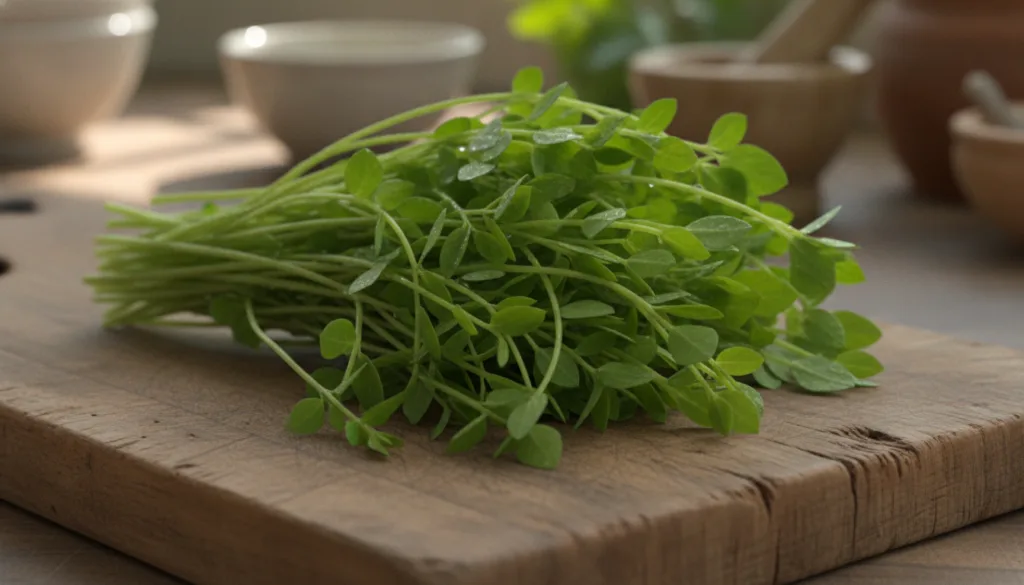
Sourcing quality Asthma Weed is crucial. Look for reputable herbal suppliers if buying dried. If foraging, ensure you have a positive identification of the plant and that it comes from an unsprayed, clean environment, away from roadsides or industrial areas. Choose plants that look vibrant, healthy, and free from pests or discoloration.
Fresh vs. Dried Asthma Weed
| Feature | Fresh Asthma Weed | Dried Asthma Weed |
|---|---|---|
| Potency | Potentially higher volatile compounds; “living” plant energy. | Concentrated, but some volatile compounds may diminish over time. |
| Availability | Seasonal, requires proper identification if foraged. | Available year-round from suppliers. |
| Preparation | Requires washing, chopping. | Ready to use, often pre-chopped. |
| Storage | Short shelf life (days in fridge). | Longer shelf life (months to a year in airtight container). |
| Measurement | Requires larger quantity due to water content. | Smaller quantity needed due to concentration. |
Storage
Fresh Asthma Weed: Store fresh, unwashed leaves and stems loosely wrapped in a damp paper towel inside a plastic bag in the refrigerator for up to 3-5 days. Wash just before use.
Dried Asthma Weed: Store dried herb in an airtight container, away from direct sunlight, heat, and moisture. A cool, dark pantry is ideal. It can maintain potency for 6-12 months.
Quick Tip: The “Tea Bag” Method
If you find straining messy, place your fresh or dried herb in a reusable tea bag or a muslin cloth sachet before steeping. This makes removal easy and prevents any small bits of herb from ending up in your cup.
Practical Tips
- Temperature Matters: Avoid reboiling the tea. Consume it warm, but not scalding hot.
- Listen to Your Body: Pay attention to how your body responds. If you experience any discomfort, discontinue use.
- Consistency: For best results, incorporate it consistently into your routine rather than relying on sporadic use.
- Hydration: Continue to drink plenty of plain water alongside your herbal tea for overall respiratory health.
You may also like: Herbal Remedies for Seasonal Discomfort
Common Mistakes
- Misidentification: Using the wrong plant can be ineffective or even harmful. Always be 100% sure of your identification if foraging.
- Boiling the Herb: Never boil the herb directly in water for extended periods. This can destroy delicate compounds. Infusion (pouring hot water over) is preferred.
- Using Sprayed Plants: Foraged or cultivated plants must be free from pesticides or herbicides.
- Improper Storage: Storing fresh herbs in sealed, wet containers can lead to mold; dried herbs exposed to air and light lose potency quickly.
- Overconsumption: More is not always better. Stick to the recommended dosages.
Cautions / Who Should Avoid It
While “Asthma Weed” is traditionally considered safe for most people in moderate amounts, caution is advised. Pregnant or breastfeeding individuals, children, and those with underlying health conditions or taking medications should consult a healthcare professional before use. If you experience allergic reactions (e.g., skin rash, swelling, difficulty breathing), discontinue use immediately. This article is for informational purposes only and not medical advice.
Quick Summary
- Best Preparation: Warm infusion (tea).
- Best Use-Case: Supporting general respiratory comfort and lung wellness.
- Storage: Fresh in the fridge for a few days; dried in an airtight, dark container for months.
- When to Use: 1-2 times daily for consistent support.
- What to Avoid: Misidentification, over-boiling, using chemically treated plants, exceeding dosage.
FAQ
- Can I use fresh or dried Asthma Weed? Both can be used. Adjust quantities accordingly (more fresh, less dried).
- How long does Asthma Weed tea last? Ideally, consume immediately. If refrigerated in an airtight container, it can last up to 24 hours, but fresh is always best.
- Can I refrigerate the prepared tea? Yes, but for no more than 24 hours. Reheat gently, do not boil.
- How often should I use it? 1-2 times daily is common for traditional use.
- What part of the plant is best? The leaves and tender stems are most commonly used for infusions.
- Can I reuse the leaves for another brew? It’s generally not recommended as most beneficial compounds are extracted in the first steep.
- When should I avoid it? If pregnant, breastfeeding, on medication, or with chronic health conditions, consult a doctor. Avoid if allergic to similar plants.
- Does it interact with medications? There’s limited scientific research, so consult your doctor, especially if on blood thinners, blood pressure medication, or diuretics.
Continue with: Natural Breathing Exercises for Enhanced Lung Function
Conclusion
Embracing traditional remedies like Asthma Weed for respiratory comfort can be a valuable part of a holistic wellness journey. By understanding its proper preparation, usage, and necessary cautions, you can respectfully integrate this herb into your routine. Remember, knowledge and careful application are your best tools when working with nature’s gifts.