Natural Nausea Relief at Your Fingertips: The Soothing Power of Ginger and Lemon
Have you ever felt that sudden, unsettling wave of queasiness? That churning in your stomach that leaves you searching for comfort? Whether it’s motion sickness, morning sickness, or just a general upset stomach, nausea can truly disrupt your day and leave you feeling less than your best. Many of us instinctively reach for something quick, but what if a simple, natural remedy is already hiding in your kitchen, waiting to offer gentle, comforting relief?
Today, we’re diving into a beloved natural duo – ginger and lemon – and how their combined powers in a warm drink can become your go-to solution for soothing an upset tummy. It’s an age-old remedy, easy to prepare, and might just be the natural touch you’ve been looking for.
Why This Matters: Embracing Gentle Digestive Comfort
Nausea and an upset stomach are incredibly common experiences, affecting people of all ages. From temporary discomfort after a rich meal to more persistent feelings of queasiness, these sensations can range from mildly irritating to truly debilitating. In a world often filled with quick fixes, there’s a growing desire for natural, accessible solutions that align with a holistic wellness approach.
Many people are drawn to remedies that use whole ingredients, understanding that nature often provides potent support without harsh side effects. Ginger and lemon, both celebrated for centuries in various cultures, offer a gentle yet effective way to support digestive harmony. This simple concoction appeals to anyone seeking to ease discomfort naturally, promote overall gut wellness, and empower themselves with easy home remedies. It’s a testament to the idea that sometimes, the best wellness tools are the ones found right in our pantries.
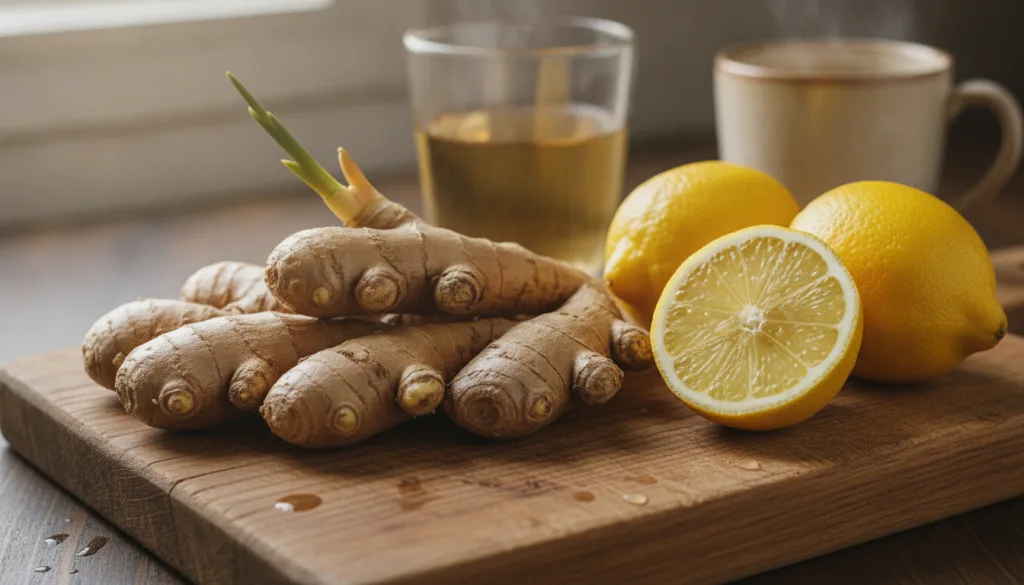
The Soothing Synergy: How Ginger and Lemon Work Their Magic
Individually, ginger and lemon are wellness powerhouses. Together, they create a synergistic blend that’s particularly effective for digestive upset. Let’s explore the science and tradition behind these remarkable ingredients.
The Warming Power of Ginger
Ginger (Zingiber officinale) has been a cornerstone of traditional medicine for thousands of years, particularly in Asian cultures, for its potent medicinal properties. It’s widely revered for its ability to calm digestive disturbances.
- Traditional Use: Ginger has been traditionally used to alleviate nausea, motion sickness, morning sickness, and indigestion. It was often brewed as a tea to warm the body and stimulate digestion.
- Modern Understanding: The primary bioactive compounds in ginger are gingerols and shogaols. These compounds are believed to have anti-inflammatory and antioxidant effects. Research suggests that gingerols interact with receptors in the digestive system and brain that influence nausea and vomiting, helping to calm stomach contractions and promote the efficient movement of food through the digestive tract.
The Brightness of Lemon
Lemon (Citrus limon) is more than just a sour fruit; it’s packed with beneficial compounds and a refreshing aroma that can also play a role in soothing discomfort.
- Traditional Use: Lemon has been traditionally used to stimulate digestion, cleanse the body, and provide a refreshing lift. Its bright aroma was often used to combat feelings of nausea.
- Modern Understanding: Lemons are rich in Vitamin C and antioxidants. While the primary effect of lemon in this remedy is often attributed to its invigorating scent and ability to cut through feelings of queasiness, the acidity can also help stimulate digestive enzymes. Some studies suggest that the aroma of lemon may also help reduce feelings of nausea, particularly in pregnant women.
The Comfort of Warm Water
The role of warm water is simple but significant. Warm liquids can be incredibly comforting to an upset stomach. They help to relax the digestive muscles, promote hydration, and can make the process of digesting and moving food along feel smoother.
Your Practical Guide: Making Your Ginger-Lemon Nausea Soother
Preparing this comforting drink is incredibly simple and requires just a few basic ingredients. Here’s how to make it:

Ingredients You’ll Need:
- 1 inch fresh ginger root, peeled and thinly sliced or grated
- 1/2 fresh lemon, juiced (or 1-2 thin slices)
- 1 cup warm water (not boiling, but comfortably hot)
- Optional: 1 teaspoon raw honey or maple syrup for taste (choose raw honey for added benefits)
Easy Preparation Steps:
- Prepare the Ginger: Peel the ginger root. You can do this with a spoon, a vegetable peeler, or a small knife. Once peeled, thinly slice it or grate it. Grating will yield a stronger flavor and more potent compounds.
- Infuse the Ginger: Place the ginger slices or grated ginger into a mug. Pour the warm water over the ginger. Let it steep for 5-10 minutes. The longer it steeps, the stronger the ginger flavor and potency will be.
- Add Lemon: Squeeze the juice from half a lemon into the mug, or add 1-2 thin slices of lemon.
- Sweeten (Optional): If desired, stir in a teaspoon of raw honey or maple syrup to taste.
- Enjoy: Sip the warm drink slowly.
Tips for Best Results:
- Freshness is Key: Always use fresh ginger and lemon for the most potent and beneficial compounds.
- Adjust to Taste: You can adjust the amount of ginger and lemon to your preference. If you’re very sensitive, start with less ginger.
- Frequency: You can drink this remedy as needed, up to 2-3 times a day when experiencing nausea.
Safety & Precautions: Listen to Your Body
While ginger and lemon are natural ingredients and generally safe for most people, it’s always wise to be aware of potential considerations:
- Pregnancy: While ginger is often recommended for morning sickness, high doses are sometimes cautioned against. Always consult your doctor or midwife before using ginger remedies during pregnancy.
- Blood Thinners: Ginger may have mild blood-thinning properties. If you are on blood-thinning medication (e.g., Warfarin), consult your doctor before regular consumption.
- Gallstones: Individuals with gallstones should exercise caution with ginger, as it can stimulate bile production.
- Acid Reflux/GERD: Lemon is acidic and may exacerbate symptoms for those prone to acid reflux or GERD. Start with a very small amount of lemon or omit it if you find it irritating.
- Allergies: Though rare, allergies to ginger or lemon can occur. Discontinue use if you experience any adverse reactions.
As with any natural remedy, if your symptoms persist, worsen, or are severe, it’s crucial to consult a healthcare professional to rule out any underlying conditions.
Key Takeaways for Natural Nausea Relief
- Ginger and lemon offer a natural, accessible remedy for soothing nausea and upset stomach.
- Gingerols and shogaols in ginger help calm digestive discomfort and reduce nausea.
- Lemon’s refreshing aroma and acidity can also aid digestion and alleviate queasiness.
- Warm water helps relax digestive muscles and provides comfort.
- The remedy is simple to prepare using fresh ingredients.
- Always be mindful of personal health conditions and potential interactions, consulting a doctor if necessary.
FAQ: Your Questions Answered
Is fresh ginger better than powdered ginger for nausea?
Yes, fresh ginger is generally considered more effective for nausea relief as it contains higher concentrations of gingerols and other volatile compounds that contribute to its medicinal properties. Powdered ginger can work, but fresh is usually preferred.
Can I drink this remedy every day?
For most healthy individuals, drinking a moderate amount of ginger-lemon water daily is generally safe and can even support overall digestion. However, if you have specific health conditions or are on medication, it’s best to consult your healthcare provider.
What if I don’t like the taste of ginger?
You can start with a very small slice of ginger to infuse, or try adding more lemon and a touch of honey to balance the flavor. Some people find that grating the ginger finely releases more flavor but also makes it easier to dilute. Alternatively, you can use ginger chews or ginger candies (without artificial ingredients) as a milder option.
Can this help with motion sickness?
Many people find ginger-lemon tea effective for motion sickness. It’s often recommended to drink it about 30 minutes before travel, or sip on it slowly during your journey.
Is this safe for children?
For children, especially younger ones, it’s best to consult with a pediatrician before introducing ginger remedies. A very diluted version with minimal ginger might be suitable for older children, but professional guidance is always recommended.
Related Reading You Might Enjoy
If you found this article helpful, you might also be interested in exploring other natural ways to support your digestive health and overall well-being:
- The Wonders of Peppermint for Digestive Wellness
- Unlocking the Benefits of Apple Cider Vinegar for Gut Health
- Top 5 Anti-Inflammatory Foods to Add to Your Diet
- Simple Herbal Teas for a Restful Night’s Sleep
- Boost Your Immune System Naturally: Everyday Habits