Looking for a natural way to help brighten your smile? This traditional home remedy, often attributed to ‘grandma’s secrets,’ uses simple kitchen ingredients like garlic to create a paste that may help improve the appearance of stained teeth. It’s a popular DIY approach for those seeking a fresher, visibly brighter look.
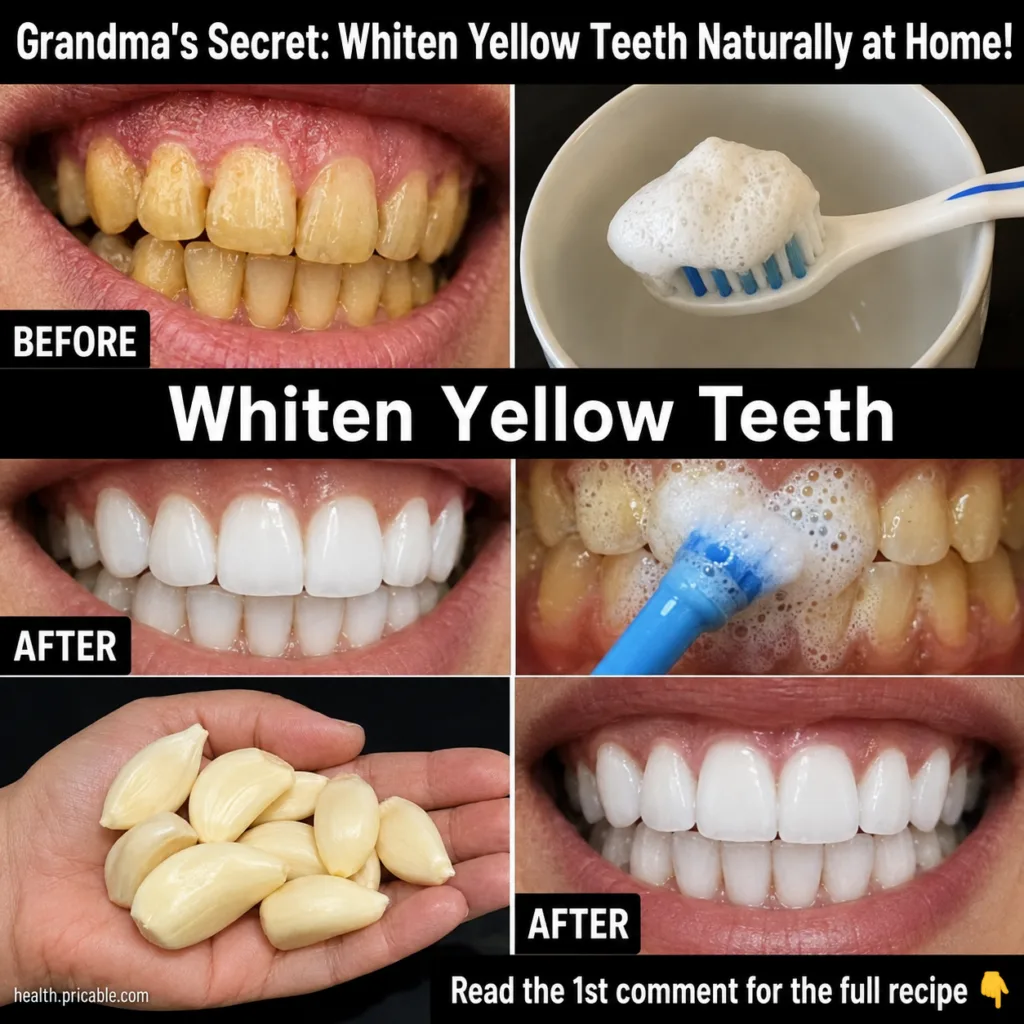
Quick Recipe
Prep time: 5 minutes
Best for: Supporting a brighter appearance for stained teeth
Use type: Paste for gentle brushing
Main ingredients:
- Fresh garlic cloves
- Baking soda
- Water or coconut oil
Ingredients
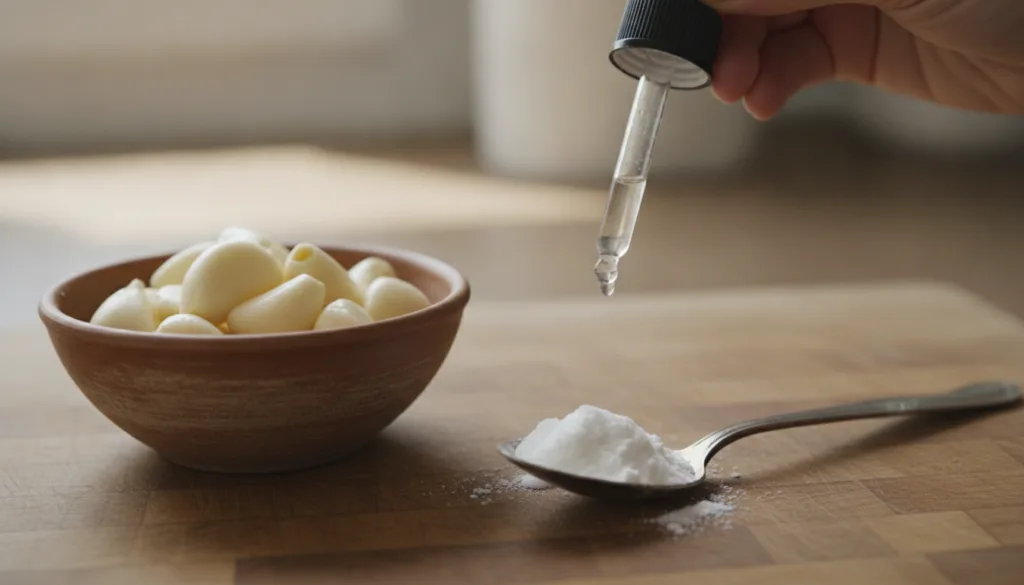
- 1-2 fresh garlic cloves
- 1 teaspoon baking soda
- A few drops of water or coconut oil (enough to form a paste)
How to Make It
- Prepare the garlic: Peel the garlic cloves. Using a mortar and pestle or a garlic press, crush the garlic until it forms a fine paste. The finer the paste, the better it will mix.
- Combine ingredients: In a small, clean bowl, mix the crushed garlic paste with the baking soda.
- Form a paste: Add a few drops of water or coconut oil gradually, stirring constantly, until you achieve a smooth, slightly thick paste consistency. It should be easy to apply to a toothbrush.
How to Use It
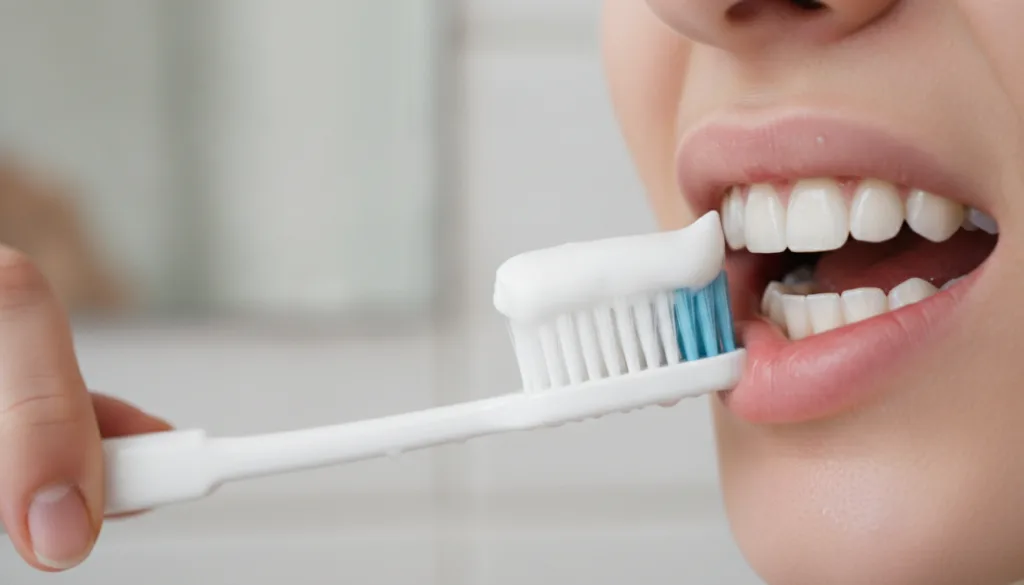
- Apply to toothbrush: Dip a clean, soft-bristled toothbrush into the garlic paste, coating the bristles evenly.
- Gentle brushing: Gently brush your teeth in small, circular motions for no more than 1-2 minutes. Focus on areas with visible stains, but avoid harsh scrubbing.
- Rinse thoroughly: After brushing, rinse your mouth thoroughly with water several times until all traces of the paste are gone.
- Follow with regular brushing: For best oral hygiene, you may wish to brush your teeth again with your regular toothpaste after using this remedy.
How Often to Use It
Due to the acidic nature of garlic and the abrasive quality of baking soda, this remedy should be used sparingly. We recommend using it no more than once every two weeks. Overuse can potentially lead to enamel erosion or gum irritation.
Why These Ingredients Are Used
Garlic
Garlic has long been recognized in traditional home remedies for its various properties. While scientific evidence specifically for teeth whitening is limited, some proponents suggest that its compounds may help with superficial stains or contribute to overall oral cleanliness. Its strong aroma is often considered a sign of its active components.
Baking Soda
Baking soda (sodium bicarbonate) is a well-known mild abrasive commonly found in many commercial teeth whitening products. It can help gently scrub away surface stains on the enamel, which can make teeth appear brighter. It also has a natural pH-balancing effect, which can be beneficial for oral health.
What Results to Expect
This natural garlic and baking soda paste may help to gently lift superficial stains from the surface of your teeth, contributing to a visibly brighter and fresher-looking smile. Individual results can vary depending on the initial state of your teeth and the nature of the stains. It’s important to have realistic expectations and understand that natural remedies work gradually and may not deliver dramatic, instant whitening effects.
Safety Notes
- Consult Your Dentist: Always consult with your dentist before trying any new home teeth whitening remedies, especially if you have sensitive teeth, gum disease, or dental work like crowns or veneers.
- Enamel Protection: Both garlic and baking soda can be abrasive or acidic if used improperly or too frequently, potentially leading to enamel erosion or gum irritation. Use very gently and sparingly.
- Patch Test: If you have sensitive gums, consider applying a tiny amount of the paste to a small area of your gumline first to check for any irritation.
- Avoid Swallowing: Try to avoid swallowing the paste.
- Stop if Discomfort Occurs: If you experience any discomfort, sensitivity, or irritation, discontinue use immediately and rinse your mouth thoroughly.
- Not for Deep Stains: This remedy is designed for superficial stains and will not change the natural color of your teeth or address intrinsic discoloration.
FAQ
Can this remedy really whiten teeth?
While this remedy may help remove superficial stains from the tooth surface, contributing to a brighter appearance, it won’t change your natural tooth color or address deeper discoloration. It’s a natural approach to help improve the look of your smile.
Is it safe to use garlic on my teeth?
Used cautiously and infrequently, garlic in a paste form is generally considered safe for topical application. However, its acidity and the abrasiveness of baking soda require careful use to prevent potential enamel damage or gum irritation. Always prioritize gentle application and limited frequency.
How quickly will I see results?
Natural remedies often work gradually. You might notice a subtle improvement in the appearance of surface stains over time, but significant, immediate changes are unlikely. Consistency with safe usage is key.
Final Thoughts
Embracing natural beauty solutions can be a rewarding journey. This ‘grandma’s secret’ garlic teeth whitening paste offers a simple, accessible way to help achieve a brighter-looking smile right from your home kitchen. Remember to use it with care, listen to your body, and always consult your dental professional for personalized advice on oral care. Share your experiences in the comments below!