In the quest for optimal health, protein often takes center stage. While animal products are well-known sources, a growing number of people are turning to the incredible power of plants to meet their protein needs. High-protein vegetables offer a nutrient-dense alternative, packing fiber, vitamins, and minerals alongside essential amino acids.
Embracing plant-based protein isn’t just a dietary trend; it’s a pathway to enhancing overall well-being. These natural powerhouses can play a crucial role in building and maintaining muscle, bolstering your immune system, and contributing to a healthier, more vibrant you. If you’re looking to diversify your protein sources and unlock a world of plant-powered benefits, you’re in the right place. We’ll explore some of the best high-protein vegetables that deserve a spot on your plate.
Why Choose High-Protein Vegetables?
Integrating high-protein vegetables into your diet offers a multitude of advantages beyond just meeting your daily protein goals. Plant-based proteins are typically rich in dietary fiber, which aids digestion, promotes satiety, and helps regulate blood sugar levels. They also come packed with an array of antioxidants, vitamins, and minerals vital for various bodily functions.
As indicated by research, plant-based proteins can actively contribute to:
- Muscle Building: While often associated with animal sources, many vegetables provide sufficient protein to support muscle repair and growth, especially when consumed as part of a balanced diet.
- Boosted Immunity: The vitamins, minerals, and phytonutrients found in these vegetables help fortify your body’s natural defenses, keeping you resilient against illness.
- Overall Health: A diet rich in plant proteins is commonly associated with better heart health, weight management, and reduced risk of chronic diseases.
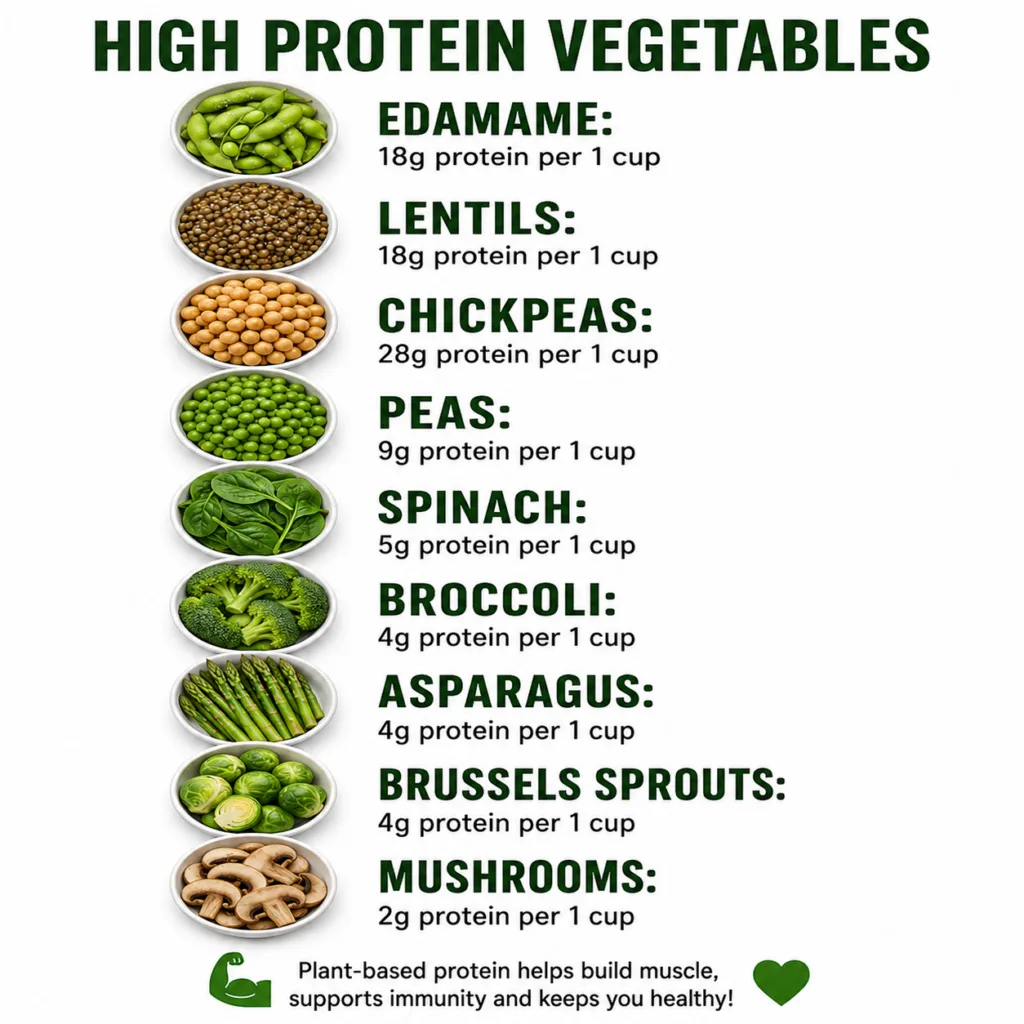
Your Guide to Top High-Protein Vegetables
Let’s dive into some of the most protein-rich vegetables and legumes that can transform your meals and support your health goals.
Lentils (18g protein / 1 cup cooked)
These tiny legumes are mighty protein powerhouses, offering an impressive 18 grams per cup. Lentils are also an excellent source of fiber, iron, and folate. They cook relatively quickly and absorb flavors beautifully, making them incredibly versatile.
- How to Enjoy: Use them as a base for hearty soups and stews, add them to salads for a protein boost, or blend them into a savory plant-based burger.
Edamame (18g protein / 1 cup cooked)
Often enjoyed as a snack, edamame (young soybeans) rivals lentils with 18 grams of protein per cup. They are also rich in fiber, vitamin K, and antioxidants. Available in pods or shelled, they’re a quick and easy addition to any meal.
- How to Enjoy: Steam or boil edamame pods and sprinkle with sea salt for a simple snack, add shelled edamame to stir-fries, noodle dishes, or green salads.
Black Beans (15g protein / 1 cup cooked)
A staple in many cuisines, black beans provide 15 grams of protein per cup, along with a significant amount of fiber, magnesium, and iron. Their rich, earthy flavor makes them a versatile ingredient.
- How to Enjoy: Incorporate them into tacos, burritos, chili, or make a delicious black bean soup. They also work wonderfully mashed into veggie burgers.
Chickpeas (15g protein / 1 cup cooked)
Also known as garbanzo beans, chickpeas deliver 15 grams of protein per cup. They’re celebrated for their versatility and nutritional profile, including fiber, folate, and manganese.
- How to Enjoy: Roast them for a crunchy snack, blend into creamy hummus, add to curries and stews, or use them in salads and grain bowls.
Green Peas (9g protein / 1 cup cooked)
Don’t underestimate these small green gems! Green peas offer a respectable 9 grams of protein per cup, alongside vitamins A, C, and K, and a good dose of fiber. They’re a simple way to add nutrition and sweetness to dishes.
- How to Enjoy: Add them to pasta dishes, risottos, or stir-fries. They can also be a vibrant addition to side salads or pureed into a light soup.
Spinach (5g protein / 1 cup cooked)
While known for its iron content, spinach also provides 5 grams of protein per cup when cooked, making it one of the more protein-dense leafy greens. It’s packed with vitamins A, C, and K, and powerful antioxidants.
- How to Enjoy: Sauté into an omelet or scramble, blend into smoothies, add to pasta sauces, or use generously in salads and wraps.
Broccoli (4g protein / 1 cup cooked)
This cruciferous powerhouse offers 4 grams of protein per cup, along with an abundance of vitamin C, vitamin K, and fiber. Broccoli is known for its anti-inflammatory properties and its role in supporting digestive health.
- How to Enjoy: Steam, roast, or stir-fry as a side dish. Add florets to pasta salads, casseroles, or blend into creamy soups.
Potatoes (4g protein / 1 cup cooked)
Often misunderstood, potatoes are a surprisingly good source of protein, providing 4 grams per cup, especially with the skin on. They are also rich in potassium, vitamin C, and complex carbohydrates for sustained energy.
- How to Enjoy: Bake or roast them with herbs, incorporate into stews, or make a wholesome potato salad. Opt for nutrient-rich preparation methods over frying.
Brussels Sprouts (3g protein / 1 cup cooked)
These miniature cabbages pack 3 grams of protein per cup and are a fantastic source of vitamin C, vitamin K, and fiber. They’re known for their distinctive flavor and health benefits, particularly when roasted.
- How to Enjoy: Roast with a drizzle of olive oil and balsamic glaze, sauté with garlic, or shred raw into a winter salad.
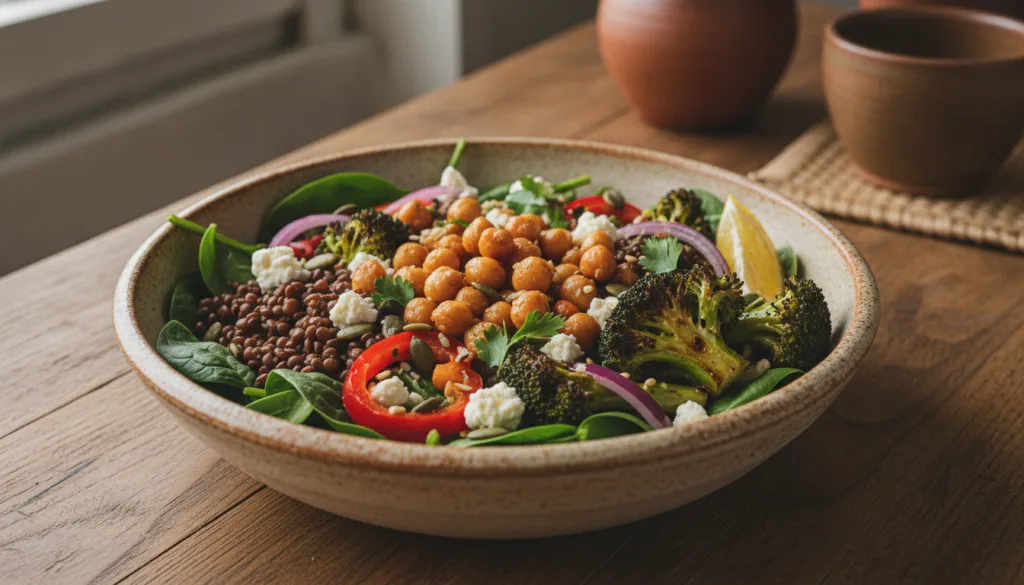
Maximizing Plant-Based Protein in Your Diet
Incorporating these high-protein vegetables into your daily routine is easier than you think. Here are some simple tips:
- Meal Prep: Cook a batch of lentils, black beans, or chickpeas at the beginning of the week to easily add to meals.
- Snack Smart: Keep steamed edamame or roasted chickpeas on hand for a nutritious, protein-rich snack.
- Boost Your Bowls: Add any of these vegetables to grain bowls, salads, or stir-fries for an instant protein upgrade.
- Hidden Veggies: Puree spinach or green peas into sauces, soups, or smoothies for added nutrients without altering flavor significantly.
- Creative Swaps: Use lentils or black beans as a meat substitute in tacos, burgers, or chili.
Frequently Asked Questions About Plant Protein
Are plant proteins as good as animal proteins?
Yes, plant proteins can be just as effective as animal proteins in supporting health and muscle growth, especially when a variety of sources are consumed. While some plant proteins may lack one or more essential amino acids (often referred to as ‘incomplete’ proteins), combining different plant sources throughout the day (e.g., legumes with grains) ensures you get all necessary amino acids.
How much protein do I need daily?
The recommended dietary allowance (RDA) for protein is 0.8 grams of protein per kilogram of body weight. However, individual needs can vary based on age, activity level, and health goals. Active individuals or those looking to build muscle may benefit from a higher intake, around 1.2-1.7 grams per kilogram.
Can I get all essential amino acids from vegetables?
Absolutely! By eating a diverse range of plant-based foods, you can easily obtain all essential amino acids. Foods like quinoa, chia seeds, and soybeans (edamame) are considered complete proteins, containing all nine essential amino acids. Pairing legumes (like beans or lentils) with grains (like rice or whole wheat) ensures a complete amino acid profile over the course of your day.
Final Thoughts
Embracing high-protein vegetables is a fantastic step towards a stronger, healthier you. These plant-based powerhouses not only provide essential protein but also come packed with fiber, vitamins, and minerals that support overall well-being, from muscle building to immunity. By diversifying your protein sources with these nutritious options, you’ll discover a world of flavor and health benefits. Start incorporating them into your meals today and feel the difference!
Medical Disclaimer
The information provided in this article is for general informational purposes only and does not constitute medical advice. Always consult with a qualified healthcare professional before making any changes to your diet or health regimen, especially if you have existing health conditions or concerns.