Are you looking for a simple, natural, and free way to boost your garden’s health? Look no further than your kitchen waste bin! Eggshells, often discarded without a second thought, are a powerhouse of nutrients that can transform your plants from struggling to thriving. At Garden – L. Quyên, we love sharing easy, eco-friendly gardening hacks, and this one is a true game-changer for any home harvest enthusiast.
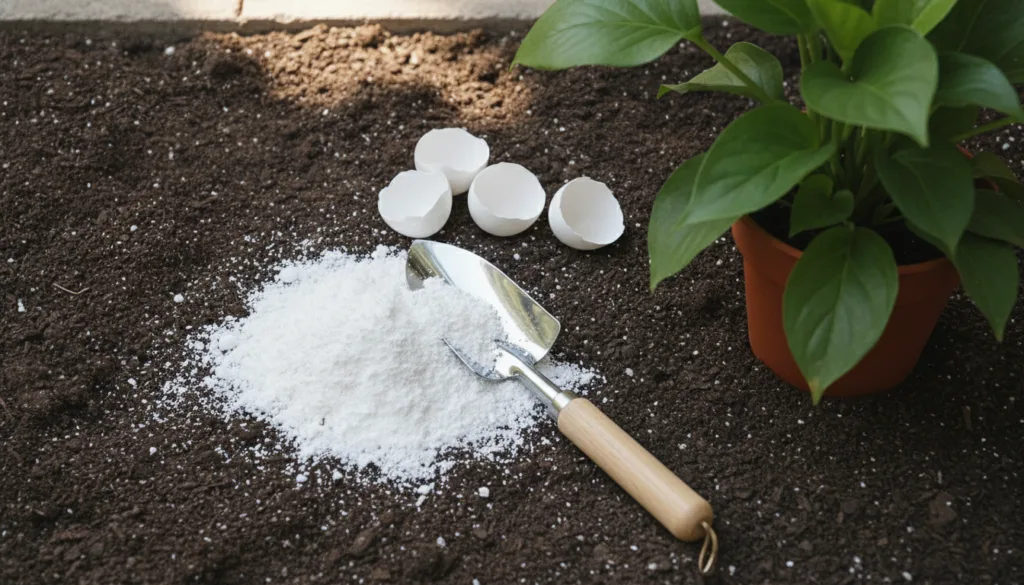
Why Eggshells Are Your Garden’s Best Friend
Eggshells are primarily composed of calcium carbonate, which is the same mineral found in agricultural lime. Calcium is a vital nutrient for plants, playing a crucial role in cell wall formation, root development, and overall plant strength. A lack of calcium can lead to problems like blossom end rot in tomatoes and peppers, stunted growth, and weaker plant structures.
Beyond calcium, eggshells also contain trace amounts of other beneficial minerals like magnesium, potassium, and phosphorus, all contributing to healthy soil and robust plant growth. Using eggshells is a fantastic way to practice sustainable gardening and reduce waste!
DIY Eggshell Fertilizer: A Simple ‘Recipe’ for Stronger Plants
Making your own eggshell fertilizer is incredibly easy and requires minimal effort. Here’s how you can prepare them for your garden:
Step 1: Clean and Dry
- Wash: Rinse your eggshells thoroughly under running water to remove any egg residue. This prevents odors and pests.
- Dry: Lay them out on a baking sheet or paper towel to air dry completely. You can also bake them at a low temperature (around 200°F or 95°C) for 10-15 minutes to speed up the drying process and sterilize them, making them more brittle and easier to crush.
Step 2: Crush Them Up!
- Manual Crushing: Once dry, crush the eggshells into small pieces. You can do this by hand, by placing them in a Ziploc bag and rolling over them with a rolling pin, or by using a mortar and pestle.
- Powder Form: For the most effective absorption by plants, grind the crushed eggshells into a fine powder using a coffee grinder or food processor. The finer the powder, the quicker the nutrients will be released into the soil.
How to Use Eggshells in Your Garden
There are several wonderful ways to incorporate your homemade eggshell fertilizer into your gardening routine:
1. Direct Soil Amendment
- Planting: When planting new seedlings or transplants, sprinkle a tablespoon of crushed eggshells into the bottom of each hole before placing the plant.
- Established Plants: Sprinkle crushed or powdered eggshells around the base of existing plants and gently work them into the topsoil. Water thoroughly afterward to help start the decomposition process.
- Compost Booster: Add crushed eggshells to your compost pile. They’ll break down over time, enriching your compost with calcium.
2. Liquid Eggshell Fertilizer (Calcium Tea)
For a quicker calcium boost, especially for plants showing signs of deficiency:
- Gather about 10-12 clean, dried eggshells and crush them.
- Place them in a large pot with a gallon of water.
- Bring to a boil, then reduce heat and simmer for about 20 minutes.
- Let it cool completely, then strain out the eggshell pieces.
- Use this calcium-rich water to irrigate your plants.
3. Pest Deterrent
Larger, sharper pieces of crushed eggshells can act as a physical barrier against soft-bodied pests like slugs and snails. Sprinkle them in a ring around vulnerable plants to deter these unwanted visitors.
4. Seed Starting
You can even use whole eggshell halves as biodegradable seed-starting pots! Just poke a small drainage hole in the bottom, fill with seed-starting mix, and plant your seeds. When the seedlings are ready for transplanting, gently crack the shell and plant the whole thing in the ground.
Tips for Best Results
- Patience is Key: Eggshells break down slowly, so their benefits are long-term. Don’t expect immediate results, but consistent application will improve soil health over time.
- Balance is Important: While beneficial, eggshells aren’t a complete fertilizer. Ensure your plants are still receiving a balanced diet from other organic amendments or compost.
- Avoid Overuse: Too much calcium can sometimes raise soil pH. Test your soil pH periodically, especially if you’re adding large quantities of eggshells regularly.
Embracing eggshells in your garden is a simple yet powerful step towards a more sustainable and fruitful growing experience. It’s an easy way to give your plants the calcium they crave, reduce waste, and connect more deeply with the natural cycles of your home and garden.
What are your favorite DIY gardening tips? Share them in the comments below! We’d love to hear how you’re using household items to nurture your plants.