Few experiences are as disruptive and painful as a kidney stone. The sharp, searing discomfort can stop you in your tracks, leading many to seek relief through various means. While modern medicine offers several solutions, most people overlook a humble plant that has been a go-to remedy in traditional practices for centuries: Phyllanthus niruri, commonly known as the ‘stonebreaker’ plant. This small, unassuming herb holds surprising potential for supporting kidney health and addressing the challenges posed by these mineral deposits.
You might be surprised to learn that this potent plant, often found growing wild in tropical regions, gets its name for a very practical reason. Its traditional use is deeply rooted in helping to manage kidney stones and promote urinary tract well-being. But what exactly is this plant, and how can you harness its properties safely and effectively? Let’s explore a practical guide to using this natural ally.
What it is
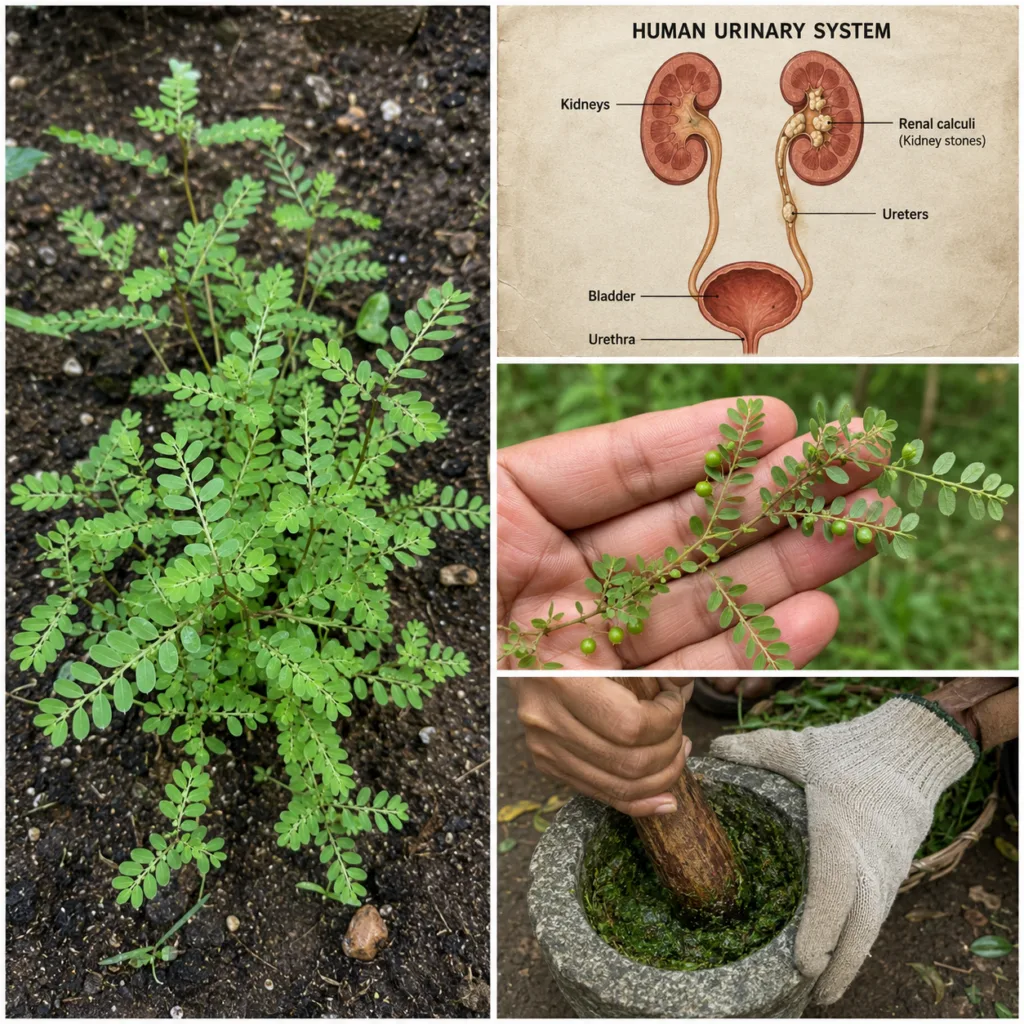
Phyllanthus niruri is a small, erect, annual herb native to tropical and subtropical regions. It’s known by many names worldwide, including Chanca Piedra (Spanish for ‘stone breaker’ or ‘stone crusher’), Bhumi Amla, and Seed-under-leaf, a nod to its unique characteristic where its small, round fruits are found along the underside of its leaves. Traditional healers have long valued it for its wide array of properties, particularly its use in supporting urinary tract health, aiding digestion, and promoting liver function.
Its primary fame, however, comes from its traditional use in folk medicine for addressing kidney stones. The plant is believed to help prevent calcium oxalate crystals from forming, reduce their aggregation, and potentially relax the ureters, facilitating the passage of existing stones. While the exact mechanisms are still being researched, a wealth of traditional knowledge and some modern studies support its role in this area.
Ingredients
- Fresh or dried Phyllanthus niruri plant material (leaves, stems, and small fruits)
- Filtered water
Approximate Measurements
- For fresh plant material: 1 cup (packed) of chopped Phyllanthus niruri
- For dried plant material: 2 tablespoons of dried Phyllanthus niruri
- Water: 3 cups (700-750 ml)
Formula / Recipe: Stonebreaker Tea (Decoction)
The most common and effective way to utilize Phyllanthus niruri for kidney stone support is by preparing it as a tea or decoction. This method allows for the extraction of its beneficial compounds into a liquid form that is easy to consume.
Step-by-Step Method
- Preparation of Plant Material: If using fresh Phyllanthus niruri, wash it thoroughly under cool running water to remove any dirt or debris. Chop the entire plant (leaves, stems, and small fruits) into smaller pieces to maximize surface area for extraction. If using dried material, simply measure out the required amount.
- Combine Ingredients: Place the chopped fresh plant material (1 cup) or dried material (2 tablespoons) into a non-reactive saucepan. Pour 3 cups of filtered water over the plant material.
- Bring to a Boil: Heat the saucepan over medium-high heat until the water comes to a rolling boil.
- Simmer: Once boiling, reduce the heat to low, cover the saucepan, and let it simmer gently for 15-20 minutes. This slow simmering process, known as decoction, is crucial for extracting the beneficial compounds from the tougher plant parts.
- Cool and Strain: Remove the saucepan from the heat and allow the tea to cool to a comfortable drinking temperature. Once cooled, strain the liquid using a fine-mesh sieve or cheesecloth to separate the plant material from the tea. Discard the spent plant material.
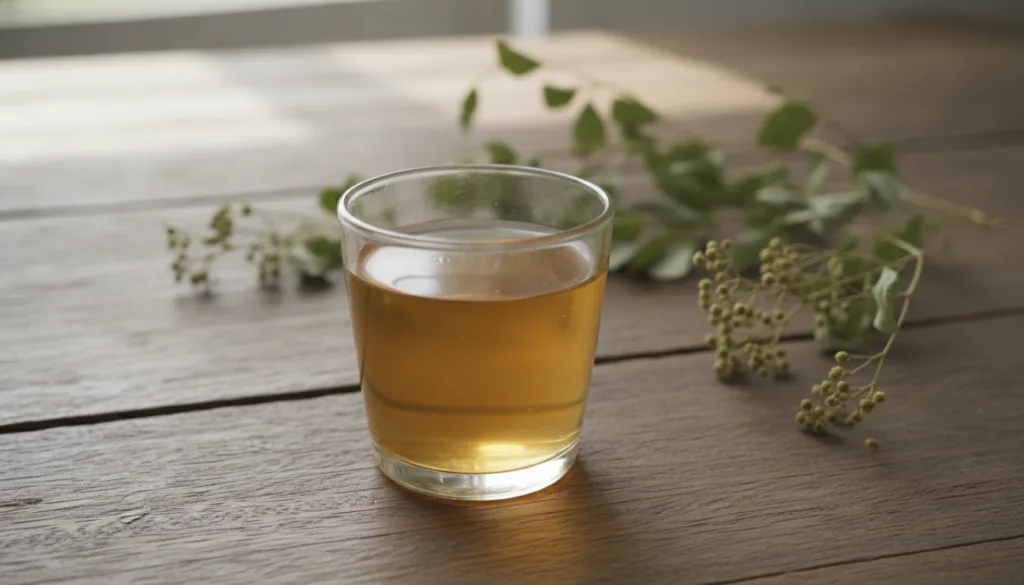
- Serve: Your stonebreaker tea is ready to be consumed. It can be drunk warm or at room temperature.
Quick Tip: Fresh vs. Dried
| Feature | Fresh Phyllanthus niruri | Dried Phyllanthus niruri |
|---|---|---|
| Availability | Seasonal, requires direct sourcing or growing | Available year-round, online or in herbal stores |
| Potency | Potentially higher concentration of volatile compounds | Stable, often concentrated by drying |
| Preparation | Requires washing and chopping | Ready to use |
| Flavor | More herbaceous, slightly bitter | Earthier, more intense bitterness |
| Storage | Perishable, best used immediately or within a few days (refrigerated) | Long shelf life when stored properly |
How to Use + Best Time to Take
For optimal results, it’s generally recommended to consume Phyllanthus niruri tea on an empty stomach, either first thing in the morning or about an hour before a meal. This allows for better absorption of its active compounds without interference from food digestion. However, if you experience stomach upset, you may take it with a light snack.
Drink one cup of the prepared tea, two to three times a day. Consistency is key when addressing kidney stones or supporting urinary tract health.
How Often to Use
The frequency and duration of use can vary depending on individual needs and the advice of a healthcare professional. For active kidney stone management, it may be used daily for a period of 4-6 weeks, followed by a break. For general urinary tract support or prevention, it might be used less frequently, such as once a day or a few times a week.
Always listen to your body and consult with a qualified herbalist or doctor, especially if you have pre-existing conditions or are on other medications.
Why It Works (Science Insight)
The efficacy of Phyllanthus niruri is attributed to a complex array of phytochemicals, including lignans (e.g., phyllanthin, hypophyllanthin), tannins, flavonoids, alkaloids, and triterpenes. These compounds work synergistically to provide its beneficial effects:
- Anti-lithic (Stone-breaking) Properties: Research suggests that certain compounds in Phyllanthus niruri can inhibit the formation and growth of calcium oxalate crystals, which are the most common component of kidney stones. It may also alter the structure of these crystals, making them less likely to aggregate and easier to pass.
- Diuretic Action: The plant promotes increased urine flow, which can help flush out small stones and prevent new ones from forming.
- Smooth Muscle Relaxation: Some compounds may help relax the smooth muscles of the urinary tract, potentially easing the passage of stones and reducing associated pain.
- Anti-inflammatory and Antioxidant Effects: These properties can help reduce inflammation and oxidative stress in the urinary system, contributing to overall kidney health.
Who Benefits Most
Individuals who may benefit most from Phyllanthus niruri include:
- Those prone to forming calcium oxalate kidney stones.
- Individuals experiencing discomfort from small to medium-sized kidney stones looking for natural support for passage.
- People seeking general urinary tract health support and prevention of future stone formation.
- Those looking for a natural diuretic that also offers kidney protection.
It’s less likely to be effective for very large stones that may require medical intervention.
How to Buy / How to Choose Ingredients
When sourcing Phyllanthus niruri, quality is paramount:
- Dried Herb: Look for reputable herbal suppliers or organic health stores. Ensure the product is organic, non-GMO, and free from pesticides and heavy metals. Dried whole plant material (cut and sifted) is often preferred over powdered forms, as it retains more of its integrity and potency.
- Fresh Plant: If you live in a tropical climate, you might find fresh plants in local markets or even grow it yourself. Ensure it’s harvested from clean, unsprayed areas.
- Standardized Extracts: For convenience, you can also find standardized extracts in capsule form. Check for third-party testing and clear labeling of active compounds.
Storage
Proper storage ensures the potency and safety of your remedy:
- Dried Plant Material: Store in an airtight container in a cool, dark, and dry place, away from direct sunlight and humidity. It can last for 1-2 years.
- Fresh Plant Material: Wrap fresh plant material in a damp paper towel and store it in the refrigerator for up to 3-5 days.
- Prepared Tea: Store any leftover tea in a sealed glass container in the refrigerator for no more than 24-48 hours. Beyond this, its potency may decrease, and it could spoil.
Practical Tips
- Stay Hydrated: Drinking plenty of water throughout the day is crucial when dealing with kidney stones, regardless of whether you’re using Phyllanthus niruri.
- Dietary Adjustments: Combine this remedy with a kidney-stone-friendly diet. Reduce high-oxalate foods, limit sodium, and moderate animal protein intake.
- Listen to Your Body: Pay attention to how your body responds. If you experience any adverse effects, discontinue use.
Common Mistakes
To get the most out of your Phyllanthus niruri remedy, avoid these common pitfalls:
- Using the Wrong Plant: There are many plants that look similar to Phyllanthus niruri. Ensure you have the correct species. If wild harvesting, consult an expert.
- Boiling Too Long or Not Long Enough: A 15-20 minute simmer (decoction) is ideal for extracting the compounds from the stems and tougher parts. Too short, and you won’t get full potency; too long, and you might degrade delicate compounds or concentrate bitterness excessively.
- Skipping Straining: Leaving plant material in the tea can lead to over-extraction, making the tea excessively bitter and potentially causing stomach upset.
- Inconsistent Use: Natural remedies often require consistent, prolonged use to show effects. Sporadic consumption may not yield desired results.
- Ignoring Hydration: Relying solely on the herb without increasing overall water intake is a common mistake that limits the remedy’s effectiveness.
Cautions / Who Should Avoid It
While generally considered safe for most people when used appropriately, certain individuals should exercise caution or avoid Phyllanthus niruri:
- Pregnant or Breastfeeding Women: Due to insufficient research on safety, it’s best to avoid use.
- Individuals on Blood-Thinning Medication: Phyllanthus niruri may have mild anti-coagulant effects. Consult a doctor before use.
- Diabetics: The herb may lower blood sugar levels. Monitor glucose closely if using with diabetes medication.
- Individuals with Low Blood Pressure: It may lower blood pressure. Use with caution if you already have hypotension.
- Those Undergoing Surgery: Discontinue use at least two weeks before any scheduled surgery due to potential effects on blood clotting and blood sugar.
- Children: Its use in children is not well-established; consult a pediatrician.
Always consult with a healthcare professional before starting any new herbal remedy, especially if you have pre-existing health conditions or are taking medications.
Quick Summary
- Best Preparation: Decoction (simmering tea) using fresh or dried whole plant material.
- Best Use-Case: Support for passing kidney stones, preventing stone formation (especially calcium oxalate), and general urinary tract health.
- Storage: Dried herb in airtight container (cool, dark); fresh herb refrigerated (short-term); prepared tea refrigerated for up to 48 hours.
- When to Use: 2-3 times daily, preferably on an empty stomach.
- What to Avoid: Incorrect plant identification, inconsistent use, neglecting hydration, and use by pregnant/breastfeeding women or those on blood thinners without medical advice.
FAQ
- Can I use fresh or dried Phyllanthus niruri? You can use both. Fresh material may offer a slightly different spectrum of compounds, while dried material is more convenient and shelf-stable. Adjust measurements accordingly.
- How long does the prepared tea last? The tea should be refrigerated and consumed within 24-48 hours. Beyond that, its potency may decrease, and it could spoil.
- How often should I use it? For active issues, 2-3 times daily for 4-6 weeks is common. For prevention or general support, less frequent use might be appropriate. Always consult a healthcare professional for personalized advice.
- What part of the plant is best to use? The entire aerial part of the plant (leaves, stems, and small fruits) is typically used for traditional preparations.
- Can I reuse the plant material for another batch of tea? It’s generally not recommended. Most of the beneficial compounds are extracted in the first decoction, so subsequent uses would yield a much weaker tea.
- Does Phyllanthus niruri interact with medications? Yes, it may interact with blood thinners, diabetes medications, and blood pressure medications. Consult your doctor or pharmacist.
- Is it safe for long-term use? Long-term safety data is limited. Many traditional practices recommend taking breaks or using it cyclically rather than continuously for very extended periods.
- What does the tea taste like? It has an earthy, slightly bitter, and astringent taste. You can add a little honey or a squeeze of lemon to improve palatability if desired.
Short Conclusion
Phyllanthus niruri stands as a testament to the power of traditional herbal remedies, offering a practical, natural approach to supporting kidney health, particularly in the face of kidney stones. By understanding its preparation, proper usage, and important considerations, you can harness the potential of this remarkable ‘stonebreaker’ plant. Always approach natural remedies with respect, seeking knowledge and professional guidance to ensure a safe and effective experience on your journey to well-being.