Have you ever wished for a simpler path to glowing, more youthful-looking skin? Many of us spend a fortune on serums and creams, hoping to diminish fine lines and restore that natural firmness we associate with vitality. But what if the secret to boosting deep hydration and supporting your skin’s resilience was hiding in plain sight, using just two common ingredients?
Imagine feeling confident in your own skin, knowing you’re nourishing it from within with an easy, homemade approach. It’s not about magic, but about understanding how natural elements can support your body’s own amazing processes. Get ready to discover a practical, heartwarming way to embrace your natural glow!
Why This Matters for Your Skin’s Radiance
In our quest for healthy aging, few topics spark as much interest as collagen. It’s the protein responsible for your skin’s elasticity, strength, and that plump, youthful appearance. As we age, our natural collagen production gradually declines, leading to visible signs like fine lines, wrinkles, and a loss of firmness.
The market is flooded with collagen supplements and expensive treatments, promising miraculous results. However, many people are turning back to natural wellness for solutions, seeking ways to support their body’s collagen from the inside out. This isn’t just about superficial beauty; it’s about embracing a holistic approach to skin health and vitality. This simple, two-ingredient idea resonates because it offers an accessible, gentle, and empowering way to care for your skin without complex routines or hefty price tags.
Understanding the Power of Your Two Key Ingredients
When we talk about ‘homemade collagen’ with just two ingredients, we’re focusing on providing your body with the essential building blocks and vital nutrients it needs to produce and maintain its own collagen. We’re not ‘making’ human collagen in your kitchen, but rather supplying the raw materials that can significantly support this crucial process.
Ingredient 1: Gelatin – A Collagen-Rich Foundation
Gelatin is essentially cooked collagen, often derived from animal sources. It’s rich in amino acids like glycine, proline, and hydroxyproline – precisely the amino acids abundant in our body’s own collagen. While plant-based sources don’t provide these specific amino acids in the same ratios, animal-derived gelatin offers a direct way to consume these building blocks.
- Traditional Use: Historically, bone broths (which are rich in gelatin) have been consumed for their perceived benefits for joints, gut health, and skin.
- Modern Understanding: When ingested, gelatin is broken down into peptides and amino acids, which the body can then use to form new collagen or repair tissues. Some studies suggest that consuming collagen peptides can improve skin hydration and elasticity.
Ingredient 2: Vitamin C – The Essential Collagen Co-Factor
The second crucial ingredient is a powerful source of Vitamin C. This vitamin isn’t just for immune support; it’s an absolute powerhouse for your skin, playing an indispensable role in collagen synthesis.
- Traditional Use: Foods rich in Vitamin C, like citrus fruits and berries, have long been valued in traditional diets for overall health and vitality.
- Modern Understanding: Vitamin C acts as a critical co-factor for the enzymes that are responsible for linking together the amino acids to form collagen. Without sufficient Vitamin C, your body simply cannot produce collagen efficiently. It’s like having all the bricks (amino acids) but no mortar (Vitamin C) to build the wall.
By combining a source of gelatin (for amino acids) with a potent source of Vitamin C, you’re creating a synergistic duo that supports your body’s natural ability to maintain healthy, resilient skin from the inside out.
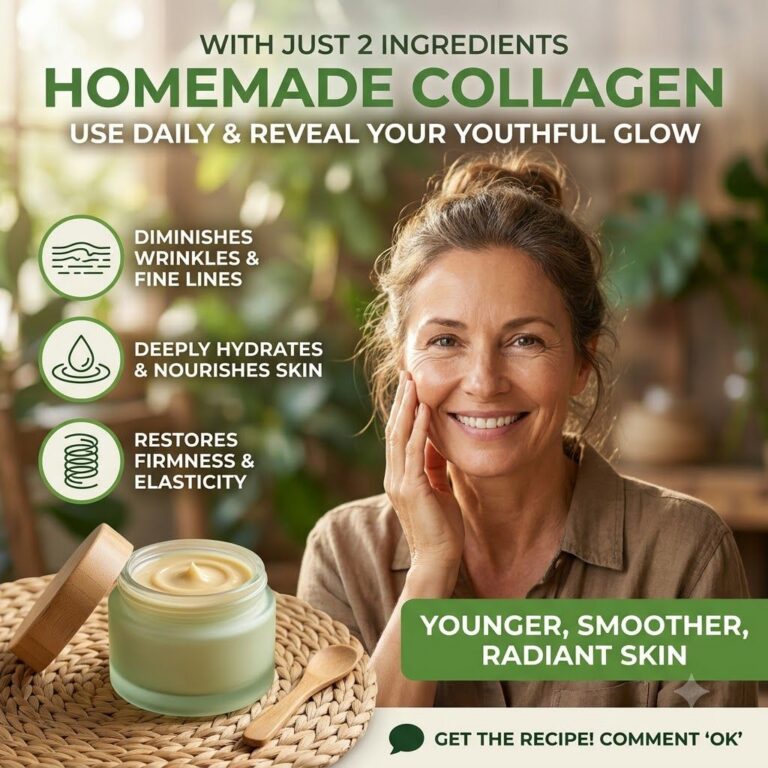
Your Practical Guide: A Simple Collagen-Boosting Drink
Let’s turn these insights into a delicious, skin-supporting routine. This recipe focuses on an internal approach, nourishing your skin from within. You can enjoy this as a warm drink or let it set into a healthy jelly.
Ingredients:
- 1 tablespoon unflavored gelatin powder (look for grass-fed if possible)
- 1 cup warm water or herbal tea (e.g., chamomile, green tea)
- Juice of half a fresh lemon (or 1/4 cup orange juice/berry puree for Vitamin C)
- Optional: A touch of natural sweetener like raw honey or stevia
Preparation:
- Bloom the Gelatin: In a mug or small bowl, combine 1/4 cup of the warm water (not hot) with the gelatin powder. Whisk vigorously for about 30 seconds until completely dissolved and lump-free. Let it sit for 5 minutes; it will thicken slightly.
- Add Warm Liquid: Heat the remaining 3/4 cup of water or herbal tea until warm (not boiling). Pour this warm liquid over the bloomed gelatin mixture, stirring constantly until the gelatin is fully dissolved and the mixture is smooth.
- Add Vitamin C: Stir in the fresh lemon juice (or your chosen Vitamin C source). If using, add your sweetener now and mix well.
- Serve & Enjoy: Your collagen-boosting drink is ready!
Usage Ideas & Frequency:
- Warm Drink: Enjoy immediately as a comforting warm beverage.
- Chilled Jelly: For a refreshing treat, pour the mixture into small molds or a shallow dish and refrigerate for 2-4 hours until firm.
- Frequency: Aim for 1 serving daily. Consistency is key for any natural wellness approach.
Beginner Tips:
- If you’re new to gelatin, start with half a tablespoon and gradually increase.
- Experiment with different herbal teas (like hibiscus, rich in antioxidants!) or fruit juices to find your favorite flavor.
- Always use fresh lemon or fruit juice, as packaged juices often contain less potent Vitamin C and added sugars.

Safety & Precautions
While natural ingredients are wonderful, it’s always wise to be mindful of individual sensitivities and health conditions:
- Allergies: Gelatin is typically derived from beef or pork. If you have dietary restrictions or allergies to these, consult your doctor or choose a plant-based alternative if available (though it won’t be true collagen).
- Digestive Sensitivity: Some individuals may experience mild digestive upset when first introducing gelatin. Start with a smaller amount and increase gradually.
- Pregnancy & Existing Medical Conditions: If you are pregnant, nursing, or have any pre-existing medical conditions, always consult your healthcare professional before introducing new supplements or significant dietary changes.
- Medication Interactions: While unlikely with these common food ingredients, it’s always best to discuss with your doctor if you are on any medications.
Remember, this is a wellness support strategy, not a medical treatment. Listen to your body and seek professional advice when needed.
Key Takeaways for a Radiant You
- Collagen is Key: It’s vital for skin elasticity and youthful appearance.
- Support from Within: Nourish your body with essential building blocks for collagen production.
- Gelatin & Vitamin C Synergy: Gelatin provides amino acids, and Vitamin C is crucial for collagen synthesis.
- Simple & Accessible: A homemade drink offers an easy, natural way to support your skin.
- Consistency is Crucial: Integrate this practice regularly for potential benefits.
- Consult a Pro: Always talk to your doctor about new health regimens, especially with underlying conditions.
FAQ: Your Questions Answered
Q1: Can I make a topical face mask with gelatin and lemon?
While gelatin masks are popular, ingesting gelatin and Vitamin C offers a more holistic approach to collagen support from within. Topical application might temporarily tighten skin but doesn’t directly add collagen to the dermis, and lemon juice can be sensitizing to some skin types, especially in sunlight.
Q2: How long until I see results?
Patience is key with natural wellness. Visible improvements in skin hydration and elasticity typically take several weeks to a few months of consistent daily use, as your body needs time to build and repair tissues.
Q3: Are there plant-based alternatives for collagen?
While there isn’t a direct plant-based source of collagen like gelatin, you can support your body’s natural collagen production by consuming a diet rich in Vitamin C (citrus, berries, bell peppers), zinc (nuts, seeds), and amino acids (legumes, spirulina). Certain plant compounds, like those in resveratrol and ginseng, are also studied for their collagen-supporting effects.
Q4: Does this homemade collagen taste good?
The taste is quite mild, especially with lemon. You can enhance the flavor by using flavorful herbal teas, adding a splash of fruit juice like cranberry or cherry, or a natural sweetener. Many find it quite pleasant and refreshing, particularly as a chilled jelly.
Q5: Is ‘bone broth’ the same as gelatin?
Bone broth is a liquid rich in gelatin and other nutrients extracted from simmered bones and connective tissues. Gelatin is essentially the concentrated, dried form of the collagen derived from these sources. Consuming bone broth offers similar benefits.
Related Reading You Might Enjoy
Curious to learn more about natural ways to boost your wellness and glow? Explore these articles:
- The Power of Antioxidants for Healthy Aging
- Top 5 Anti-Inflammatory Foods for Radiant Skin
- Herbal Teas for Digestive Wellness and a Clearer Complexion
- Beyond Hydration: Why Water Is Your Skin’s Best Friend
