The stunning beauty of a plant can sometimes mask its deadliest secret. In the world of botanicals, few exemplify this duality as strikingly as Abrus precatorius. This botanical enigma, commonly known as the Rosary Pea, has vibrant, eye-catching seeds that whisper tales of ancient practices and profound cultural significance, yet demand the utmost caution due to their potent toxicity. Most people are drawn to its aesthetic appeal, often unaware of the hidden danger lurking within its striking beauty.
What is Abrus precatorius?
Abrus precatorius is a slender, perennial climbing shrub native to tropical and subtropical regions of the world, including parts of Asia, Africa, and the Americas. It thrives in various habitats, from forests to disturbed areas. It’s known by several common names, including Rosary Pea, Jequirity Bean, Crab’s Eye, and John Crow Bead. The plant features delicate pinnate leaves and small, pale purple flowers that develop into short, inflated pods. These pods split open to reveal its most distinctive and dangerous feature: the glossy, ovate seeds.
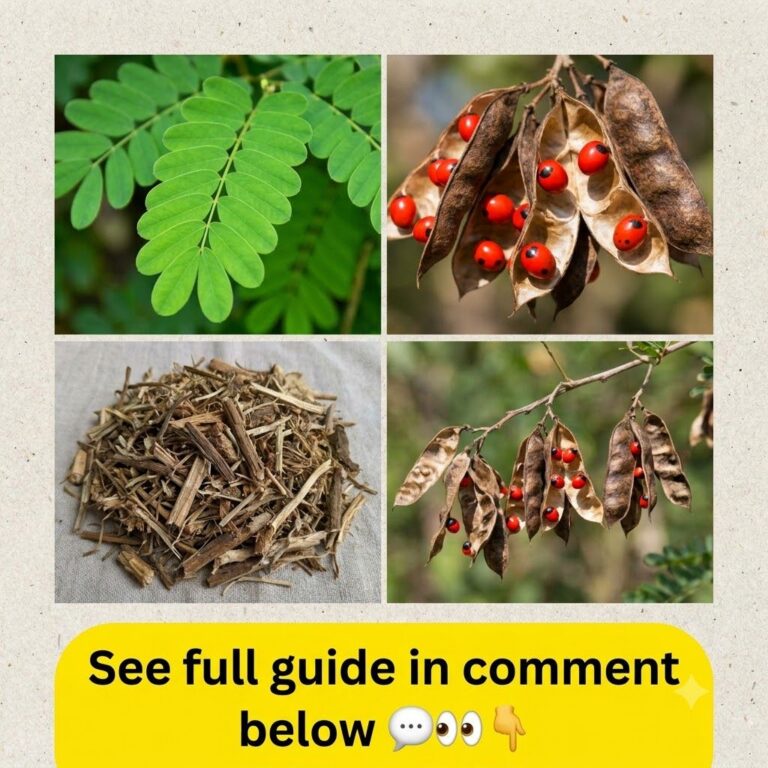
The Allure and the Danger: Abrin Toxicity
The true danger of Abrus precatorius lies within its small, yet incredibly potent seeds. These seeds contain a highly toxic protein called abrin, which is chemically similar to ricin and equally, if not more, deadly. Abrin is a ribosome-inactivating protein that, if ingested, can inhibit protein synthesis in cells, leading to cell death. Even a minuscule amount—as little as one crushed or chewed seed—can be fatal to adults. The seed’s hard outer coat generally prevents the toxin from being absorbed if swallowed whole, but if the coat is broken, the danger is immediate and severe. Symptoms of abrin poisoning include nausea, vomiting, abdominal pain, diarrhea, and in severe cases, liver damage, kidney failure, and death.
Ancient Lore and Traditional Cautionary Uses
Despite its extreme toxicity, Abrus precatorius has a rich history of use in various cultures, often shrouded in mysticism and utilized with profound caution. Historically, the seeds have been prized for their ornamental value, used to make jewelry, prayer beads (hence