“Detox” is one of the most misunderstood wellness words. Your body is already detoxing every day through your liver, kidneys, gut, lungs, and skin. Food does not “cleanse toxins” overnight, but it can support the systems that do the work by helping with hydration, digestion, antioxidant defense, and inflammation balance.
Most people never realize this works because the best “detox” plan is not a harsh cleanse. It is a steady plate you can repeat.
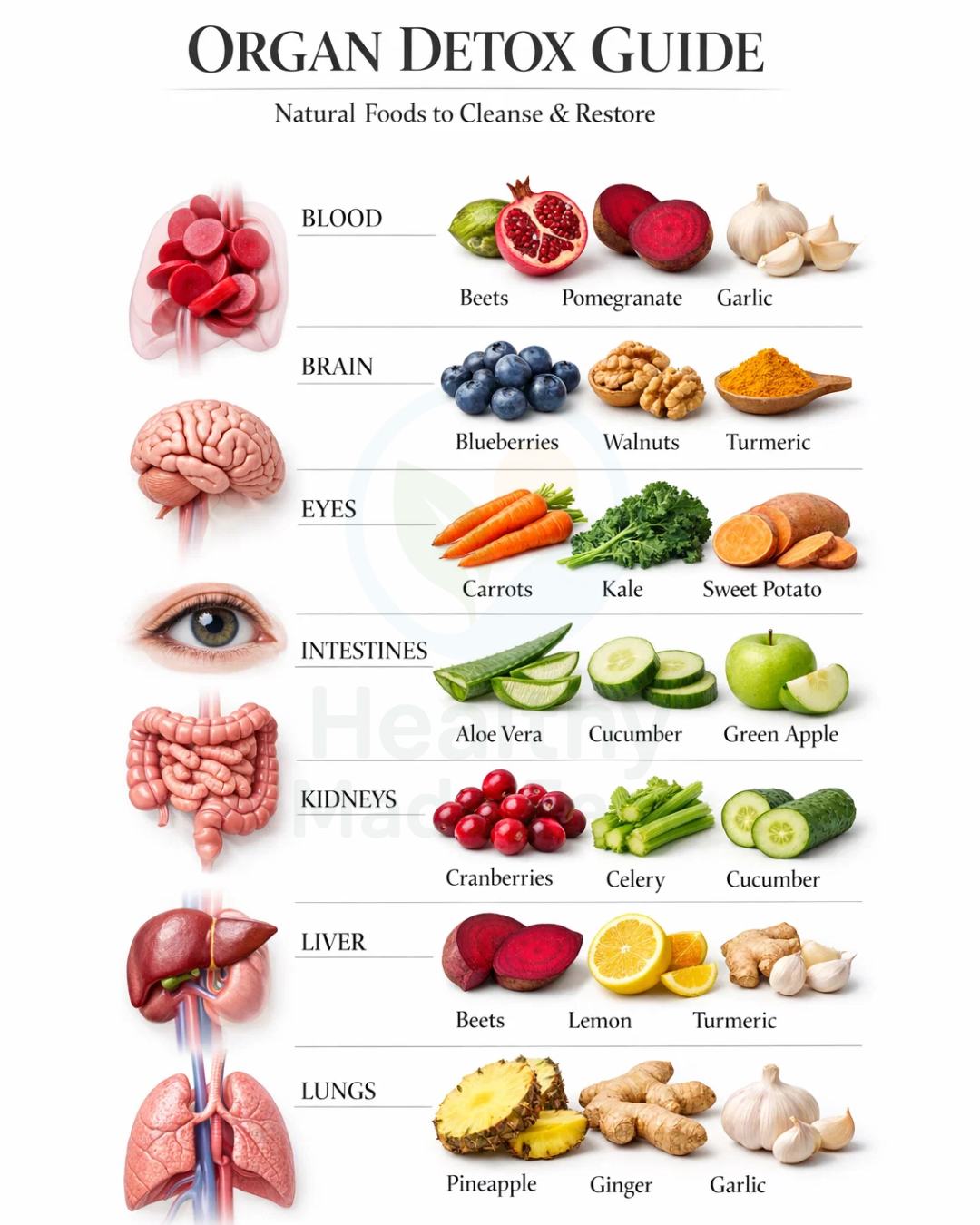
1. Blood Support Foods
Beets
Beets contain natural plant compounds and nitrates that support healthy circulation for many people.
How to eat: roast cubes, blend into soup, or shred into salads.
Pomegranate
Pomegranate offers polyphenols (antioxidants) that help protect cells from oxidative stress.
How to eat: sprinkle seeds over yogurt or salads, or drink a small glass of unsweetened juice.
Garlic
Garlic contains sulfur compounds used in many traditional food systems to support overall wellness.
How to eat: crush and rest for a few minutes, then add to soups, stir-fries, or dressings.
2. Brain Support Foods
Blueberries
Blueberries are rich in antioxidants that support brain-friendly eating patterns.
How to eat: add to oats, yogurt, smoothies, or eat as a snack.
Walnuts
Walnuts provide healthy fats and a satisfying crunch that supports balanced eating.
How to eat: sprinkle on breakfast bowls, add to salads, or blend into sauces.
Turmeric
Turmeric is known for curcumin, a compound studied for inflammation balance.
How to eat: stir into soups, curries, rice, or warm milk.
3. Eye Support Foods
Carrots
Carrots provide beta-carotene, a precursor to vitamin A, important for vision support.
How to eat: roast, blend into soups, or shred into a quick side salad.
Kale
Kale is known for lutein and zeaxanthin, nutrients linked with eye health.
How to eat: sauté with garlic, blend into smoothies, or bake into crispy chips.
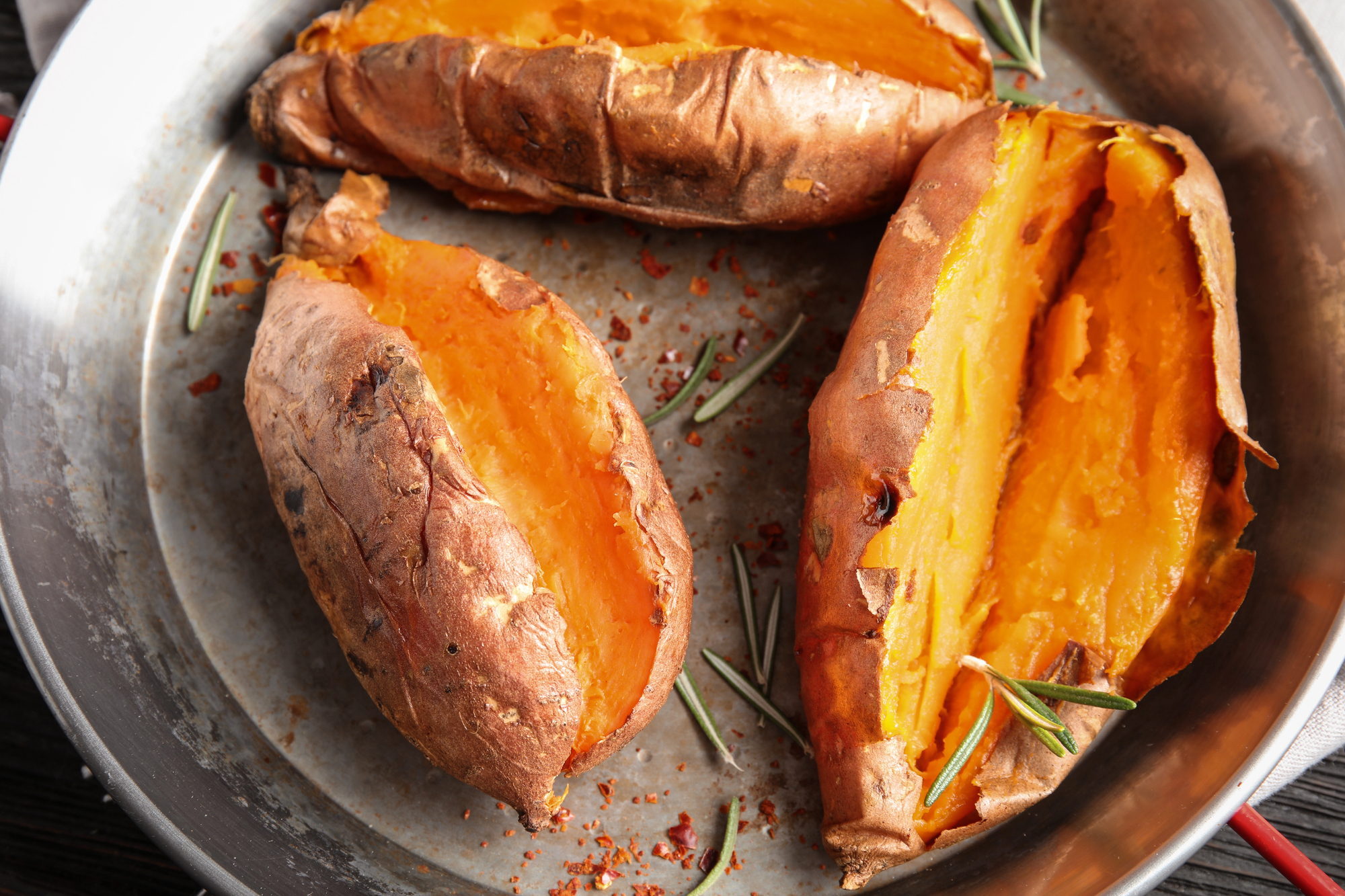
Sweet Potato
Sweet potato is another beta-carotene-rich food that also supports steady energy.
How to eat: roast wedges, mash, or add to grain bowls.
4. Intestines Support Foods
Aloe Vera
Aloe is often used for digestion comfort, but it is also the one item on this list that needs extra caution.
How to use: choose food-grade aloe products only and avoid “latex” forms.
Cucumber
Cucumber supports hydration and gentle digestion, especially when your gut feels inflamed.
How to eat: slice into salads, add to water, or pair with yogurt dips.
Green Apple
Green apples provide fiber, which supports regularity and a healthier gut environment.
How to eat: slice with nut butter, chop into salads, or stew for a softer option.
5. Kidneys Support Foods
Cranberries
Cranberries are commonly used in urinary wellness routines (especially unsweetened forms).
How to eat/drink: unsweetened cranberry juice diluted with water, or whole cranberries in oats.
Celery
Celery is hydrating and light, and it pairs well with soups and smoothies.
How to eat: chop into broths, snack with hummus, or blend into green drinks.
Cucumber
Cucumber appears again here because hydration is a core part of kidney support.
How to eat: keep it simple—fresh slices with meals are enough.
6. Liver Support Foods
Beets
Beets show up again because they support overall circulation and antioxidant intake.
How to eat: roast and add to salads, or blend into a simple beet soup.
Lemon
Lemon encourages fluid intake and adds brightness to meals, which helps consistency.
How to use: squeeze into warm water, dressings, soups, or marinades.
Turmeric
Turmeric is often included in liver-supportive eating patterns because of its inflammation-balancing reputation.
How to use: add to soups, lentils, or golden milk.
7. Lungs Support Foods
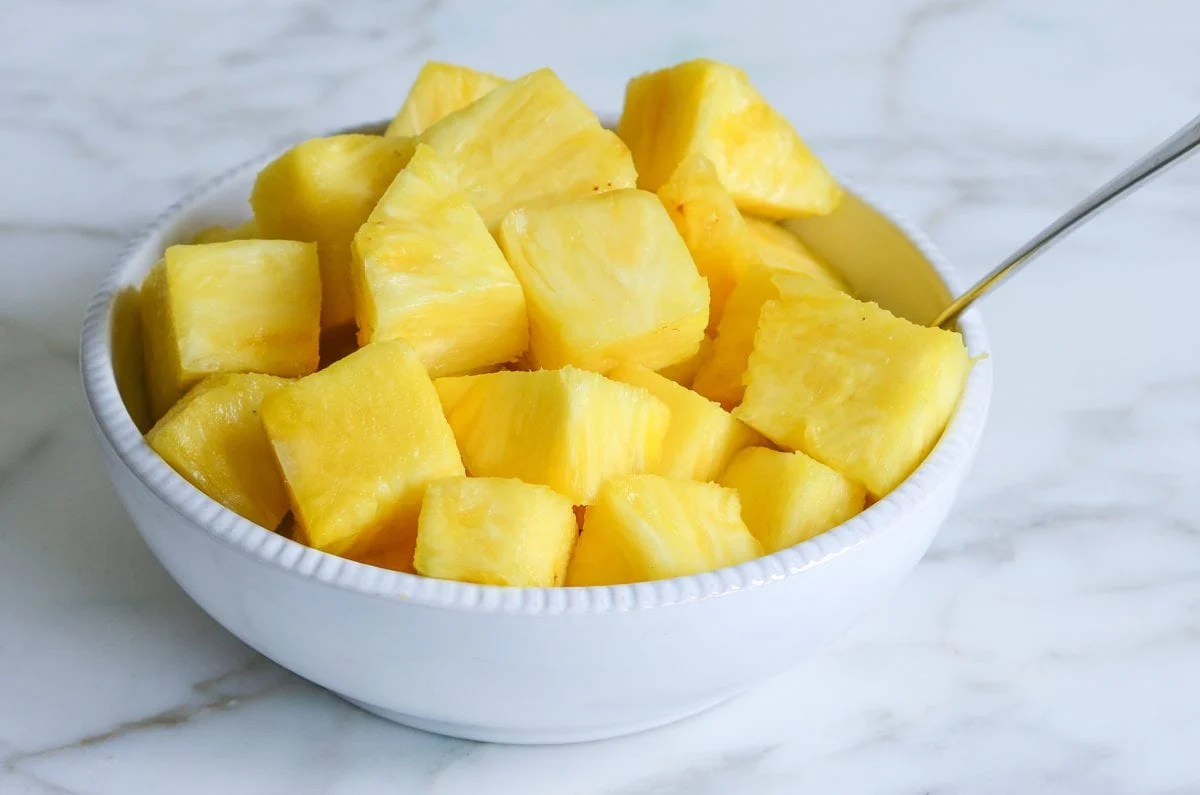
Pineapple
Pineapple contains bromelain, an enzyme often discussed in relation to mucus and inflammation support.
How to eat: fresh chunks, blended into smoothies, or added to savory salsas.
Ginger
Ginger supports digestion and warmth, and many people find it soothing during seasonal discomfort.
How to use: ginger tea, grated into soups, or added to stir-fries.
Garlic
Garlic appears again because it is widely used to support immune and respiratory wellness routines.
How to eat: add to broths, roasted vegetables, and sauces.
How to Build a “Detox-Support” Daily Plate Using These Foods
You do not need all of them in one day. Try a simple rotation:
- Morning: Greek-style breakfast bowl with blueberries + walnuts
- Lunch: Salad with kale, carrots, cucumber, and lemon dressing
- Snack: Green apple slices
- Dinner: Soup or stew with garlic, celery, ginger, and a side of sweet potato
- Optional add-ons: pomegranate on top, or cranberry diluted drink a few times per week
When You’ll Notice Changes
- 24–72 hours: Many people notice lighter digestion and less bloating when hydration foods (like cucumber) and fiber foods (like green apple) are consistent.
- 1–2 weeks: More stable energy and fewer cravings if you replace ultra-processed snacks with fruit, nuts, and roasted vegetables.
- 3–6 weeks: Skin clarity, mood steadiness, and overall “inflammation load” may improve if your routine stays consistent.
Quick Safety Notes
- Aloe vera: Use food-grade products only. Avoid if pregnant, breastfeeding, or if it upsets your gut.
- Turmeric: Food amounts are generally fine, but be cautious with high-dose supplements if you take blood thinners or have gallbladder issues.
- Cranberry juice: Choose low-sugar options. Too much sugar can work against your goals.
- If you have kidney disease, liver disease, or take prescription medications, ask your clinician before making big dietary changes.
Final Takeaway
Your body does not need a harsh cleanse. It needs daily support. Use these foods as a gentle “organ-support menu” that improves hydration, fiber intake, and antioxidant variety – then let your body do what it is designed to do.
Related Source Science
If you want to cite this topic in a blog, look for reputable references on:
- The body’s natural detox pathways (liver and kidneys)
- Antioxidants and oxidative stress (berries, pomegranate)
- Beta-carotene and eye health (carrots, sweet potato, kale)
- Fermentation, fiber, and gut health (apples, vegetables)
- Food safety and supplement cautions (aloe, high-dose turmeric)