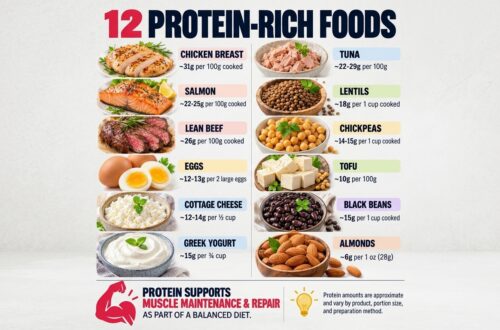
Did you know that 2800 calories can look incredibly different depending on what you choose to eat? It’s a fascinating concept that highlights a crucial aspect of healthy living: not all calories are created equal. For many active individuals, 2800 calories might represent a typical daily energy intake, but the journey to reaching that number can profoundly impact your energy levels, satiety, and overall well-being.
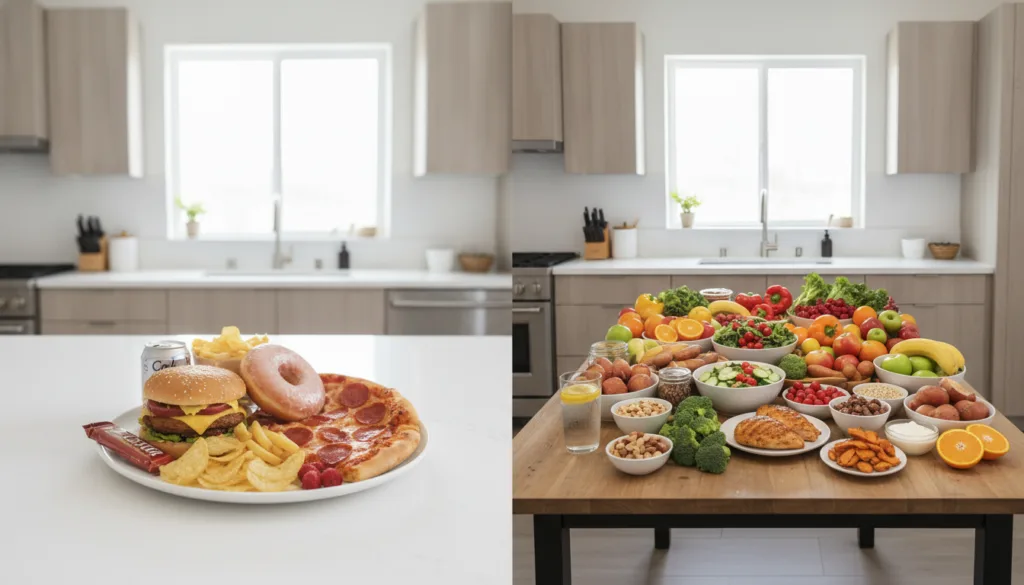
This visual comparison isn’t just about numbers; it’s about understanding the power of nutrient density and portion control. By choosing foods wisely, you can significantly transform your diet, feeling more satisfied and energized, even at the same calorie count. Let’s dive into how you can achieve an ‘active balance’ by making smarter food choices.
What Does 2800 Calories Really Mean? It’s More Than Just a Number!
For many people, particularly those with an active lifestyle, 2800 calories can serve as a benchmark for daily energy intake. However, focusing solely on the caloric number misses the bigger picture. Calories are simply units of energy, but the ‘package’ they come in – the food itself – dictates how your body utilizes that energy, how satisfied you feel, and the nutrients you receive.
- Energy for Activity: An active balance often means consuming enough calories to fuel your body effectively for exercise, work, and daily functions without overeating.
- Beyond the Numbers: Understanding how different foods contribute to your caloric intake can help you make more informed choices that support your health goals, rather than just meeting a quota.
Nutrient Density: The Key to Satiety and Optimal Health
The real game-changer in visualizing 2800 calories lies in understanding nutrient density. Nutrient-dense foods are those that provide a high amount of vitamins, minerals, fiber, and other beneficial compounds for a relatively low-calorie count. Conversely, some calorie-dense foods offer little nutritional value.
Option 1: Less Nutrient-Dense 2800 Calories
Imagine consuming 2800 calories primarily from highly processed foods like fast food, sugary drinks, packaged snacks, and desserts. This might look like:
- A large pizza slice
- A sugary soda
- A bag of potato chips
- A candy bar
- A portion of fried chicken and fries
While these items quickly add up in calories, they are often high in refined sugars, unhealthy fats, and sodium, and critically low in fiber, vitamins, and minerals. You might reach 2800 calories with a surprisingly small volume of food, potentially leaving you feeling hungry shortly after eating, experiencing energy crashes, and missing out on essential nutrients.
Option 2: Nutrient-Dense 2800 Calories
Now, consider consuming 2800 calories from whole, unprocessed, nutrient-dense foods. This approach might include:
- Generous servings of fresh fruits and vegetables
- Lean proteins (chicken, fish, beans, lentils)
- Whole grains (oats, brown rice, quinoa)
- Healthy fats (avocado, nuts, seeds)
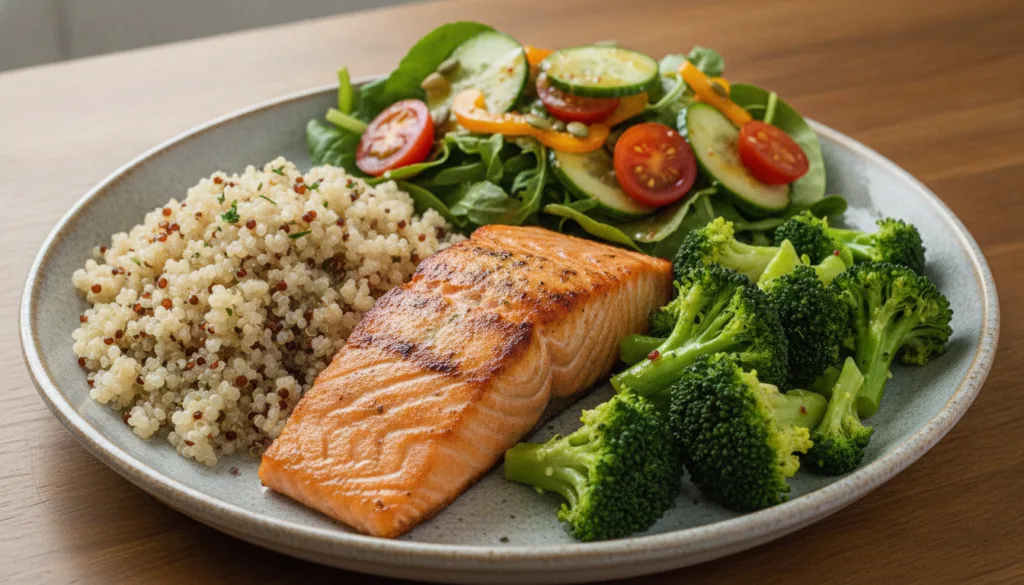
This option provides a much larger volume of food, packed with fiber that promotes satiety, a steady release of energy, and a wealth of essential micronutrients. You’d likely feel full and satisfied for longer, experience more stable energy levels, and provide your body with the building blocks it needs to thrive.
Practical Tips for Achieving Active Balance Through Wise Food Choices
Understanding calorie visualization is the first step; implementing that knowledge is the next. Here are some practical tips to help you choose wisely and achieve an active balance in your diet:
-
Focus on Whole, Unprocessed Foods
Make whole foods the cornerstone of your diet. Prioritize fresh fruits, vegetables, lean proteins, whole grains, and healthy fats. These foods naturally offer more nutrients and fiber, helping you feel fuller on fewer calories.
-
Understand Portion Sizes
Even with healthy foods, portion sizes matter. Learn to recognize appropriate serving sizes to avoid overeating. Tools like measuring cups and food scales can be helpful, but also practice mindful eating to listen to your body’s hunger and fullness cues.
-
Read Food Labels
Become an expert label reader. Pay attention to the serving size, calories, fat, sugar, sodium, and fiber content. This knowledge empowers you to make informed decisions about packaged foods.
-
Hydrate Wisely
Often, thirst can be mistaken for hunger. Drink plenty of water throughout the day. Water not only keeps you hydrated but can also contribute to feelings of fullness. Opt for water over sugary beverages, which add empty calories.
-
Plan Ahead
Meal planning and prepping can significantly help you stick to healthy choices. When you have nutritious meals and snacks ready, you’re less likely to reach for convenient, less healthy options when hunger strikes.
The Wellness Daily Approach to Healthy Eating
At Wellness Daily, we believe in providing you with the knowledge and tools to make empowered health choices. Achieving an active balance isn’t about rigid restrictions; it’s about understanding your body’s needs and fueling it with wholesome foods that support your goals.
By consciously choosing nutrient-dense options, you can enjoy a fulfilling diet that supports your active lifestyle, keeps you energized, and contributes to long-term health. Remember, every bite is an opportunity to nourish your body.
Disclaimer: This article is for informational purposes only and does not constitute medical advice. Always consult with a qualified healthcare professional or registered dietitian before making significant changes to your diet or health regimen.