Fluid retention, often felt as uncomfortable bloating or puffiness, is a common issue many people face. It can make you feel sluggish, heavy, and impact your daily comfort. While various factors can contribute to fluid retention, the good news is that smart dietary choices and natural remedies can play a significant role in helping you feel lighter and more comfortable. This guide will explore practical strategies, from mindful food choices to a refreshing homemade drink, all designed to help you beat bloat naturally.
By making simple, informed swaps in your daily routine, you can support your body’s natural balance and reduce excess fluid buildup. Let’s dive into effective, natural ways to find relief.
Your Refreshing Brew: The Lime & Ginger Soothing Infusion
Our journey to alleviate fluid retention begins with a delicious, easy-to-make drink. Inspired by the natural ingredients often associated with wellness and detoxification, this soothing infusion combines the zesty power of lime with the anti-inflammatory properties of ginger to help reduce bloating and support digestion.
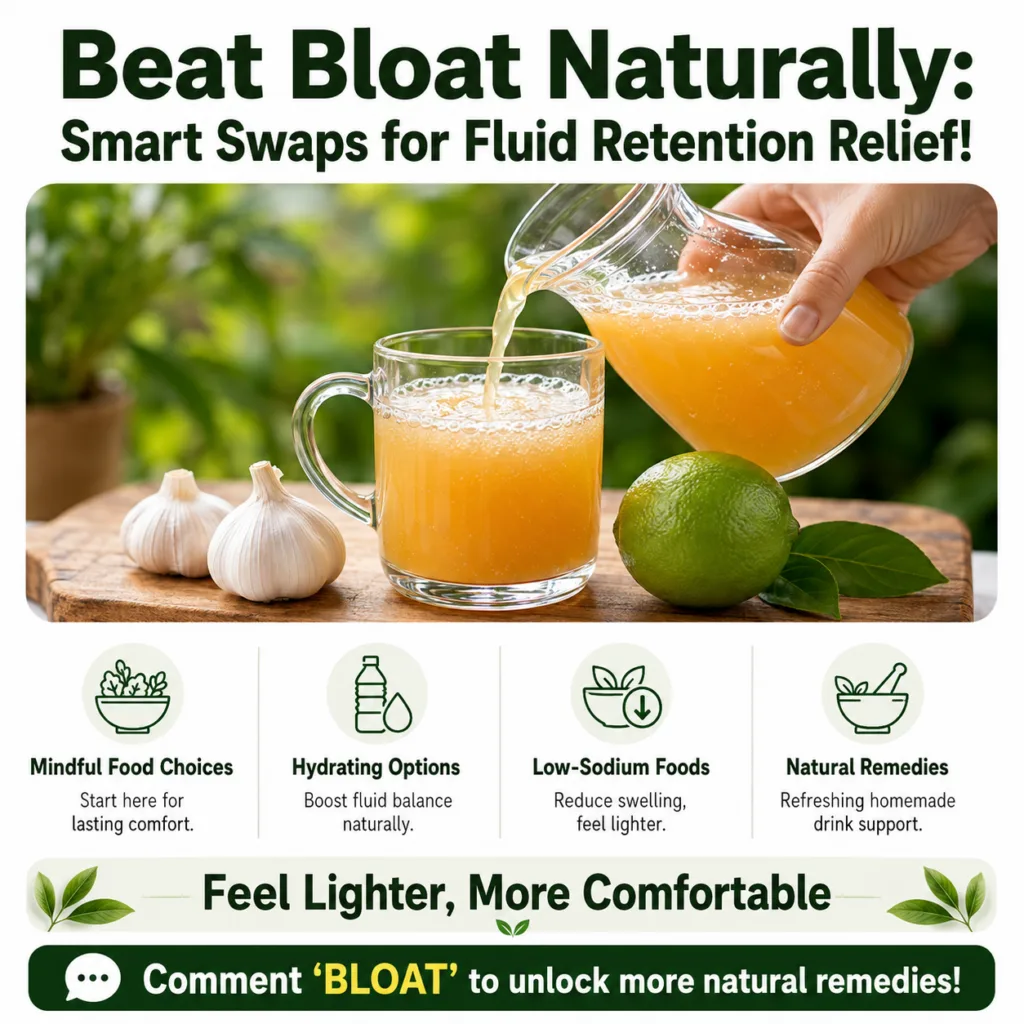
Recipe: Lime & Ginger Soothing Infusion
- Servings: 1-2
- Prep time: 5 minutes
- Chill time: 15 minutes (optional, for cooler drink)
Ingredients:
- 1 lime, thinly sliced
- 1-inch piece of fresh ginger, peeled and thinly sliced or grated
- 2 cups filtered water
- Optional: 1/2 teaspoon raw honey or maple syrup (to taste)
- Optional: A few fresh mint leaves for garnish and added flavor
Instructions:
- In a glass pitcher or jar, combine the lime slices and ginger.
- Pour 2 cups of filtered water over the lime and ginger.
- If desired, add honey or maple syrup and stir until dissolved.
- Allow the mixture to infuse for at least 15 minutes at room temperature, or chill in the refrigerator for a cooler, more refreshing drink.
- Strain the infusion or leave the slices in for a stronger flavor.
- Serve in a mug, garnished with fresh mint leaves if using. Enjoy this refreshing drink to help soothe your digestive system and combat fluid retention.
Smart Swaps for Fluid Retention Relief: Key Strategies
Beyond a refreshing drink, a holistic approach involving conscious food choices and lifestyle adjustments is crucial. Here are key strategies to integrate into your daily life to effectively manage and prevent fluid retention.
Mindful Food Choices: What to Embrace and Avoid
Making thoughtful decisions about what you eat can significantly impact fluid balance. Some foods can exacerbate bloating, while others act as natural diuretics or support healthy digestion.
- Embrace Whole Foods: Prioritize fruits, vegetables, lean proteins, and whole grains. These foods are generally high in fiber, which supports healthy digestion and regular bowel movements, preventing digestive bloating.
- Limit Processed Foods: Highly processed foods often contain excessive sodium, unhealthy fats, and artificial ingredients that can contribute to inflammation and fluid retention.
- Watch Out for Sugary Drinks and Refined Carbs: These can lead to insulin spikes and contribute to fluid retention. Opt for water, herbal teas, or our soothing lime and ginger infusion instead.
- Consider Potassium-Rich Foods: Potassium helps balance sodium levels in the body, which can reduce fluid retention. Foods like bananas, avocados, spinach, and sweet potatoes are excellent sources.
Hydrating Options: The Power of Water and Water-Rich Foods
It might seem counterintuitive to drink more water when you’re retaining fluid, but proper hydration is essential. Dehydration can signal your body to hold onto water, worsening retention.
- Drink Adequate Water: Aim for at least 8 glasses of water daily. Consistent hydration helps your kidneys flush out excess sodium and waste products.
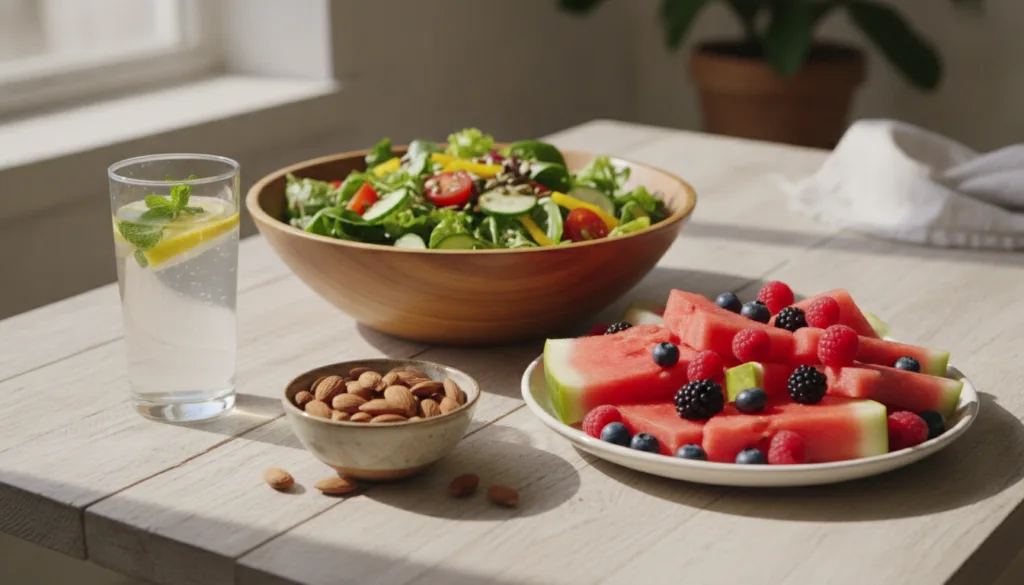
- Enjoy Water-Rich Fruits and Vegetables: Incorporate foods with high water content, such as cucumbers, watermelon, berries, celery, and lettuce. These contribute to your daily fluid intake and provide essential nutrients.
- Herbal Teas: Certain herbal teas, like dandelion, ginger, and peppermint, are known for their mild diuretic properties and can aid in flushing out excess fluids.
Low-Sodium Foods: Essential for Reducing Excess Fluid
Sodium is a major culprit in fluid retention. When you consume too much sodium, your body holds onto water to maintain a balanced concentration of electrolytes.
- Reduce Sodium Intake: Limit your consumption of high-sodium foods like canned soups, processed meats, fast food, and salty snacks. Always check food labels for sodium content.
- Flavor with Herbs and Spices: Instead of relying on salt, experiment with a variety of herbs (parsley, cilantro, basil) and spices (turmeric, cumin, black pepper) to add flavor to your meals. Lemon juice and vinegar are also great salt-free flavor enhancers.
- Cook at Home: Preparing your meals allows you to control the amount of sodium you add, making it easier to stick to a low-sodium diet.
Beyond the Plate: Natural Remedies for Daily Comfort
While diet is paramount, other natural remedies and lifestyle adjustments can significantly enhance your efforts to combat fluid retention and promote overall well-being.
- Garlic’s Role: Garlic, prominently featured in our visual inspiration, is more than just a flavor enhancer. It’s known for its diuretic and anti-inflammatory properties, potentially aiding in fluid balance and reducing inflammation that can contribute to bloating. Incorporate fresh garlic into your cooking regularly.
- Regular Movement: Engaging in light to moderate physical activity, such as walking or cycling, can help stimulate blood circulation and lymphatic drainage, assisting your body in expelling excess fluids.
- Adequate Sleep: Sleep deprivation can disrupt hormone balance, potentially affecting fluid regulation. Aim for 7-9 hours of quality sleep per night to support your body’s natural restorative processes.
- Stress Management: High stress levels can lead to hormonal imbalances that may contribute to fluid retention. Practices like meditation, deep breathing exercises, or yoga can help manage stress.
- Magnesium-Rich Foods: Magnesium is an essential mineral that can help alleviate fluid retention, especially for women experiencing premenstrual bloating. Foods rich in magnesium include dark leafy greens, nuts, seeds, and whole grains.
When to Consult a Professional
While natural remedies can be very effective for mild fluid retention, persistent or severe bloating, especially when accompanied by pain, swelling, or sudden weight gain, could indicate an underlying medical condition. Always consult a healthcare professional for a proper diagnosis and personalized advice.