That scratchy, raw feeling in your throat can derail your day, making every swallow a struggle. While many reach for lozenges or common sprays, there’s an age-old herbal approach that often gets overlooked, yet offers unique soothing properties. Most people never realize this works because of a specific compound derived from an herb with a complex reputation.
We’re talking about allantoin, a remarkable compound often associated with the comfrey plant (Symphytum officinale). For centuries, comfrey was a go-to in folk medicine for various ailments, including irritated throats. However, modern understanding has brought crucial safety considerations to light, particularly regarding internal use. Despite these concerns, allantoin itself remains a celebrated ingredient for its skin-soothing and regenerative qualities, and when used correctly in a gargle form, it can provide profound comfort for raw, inflamed throats without the risks associated with internal consumption.
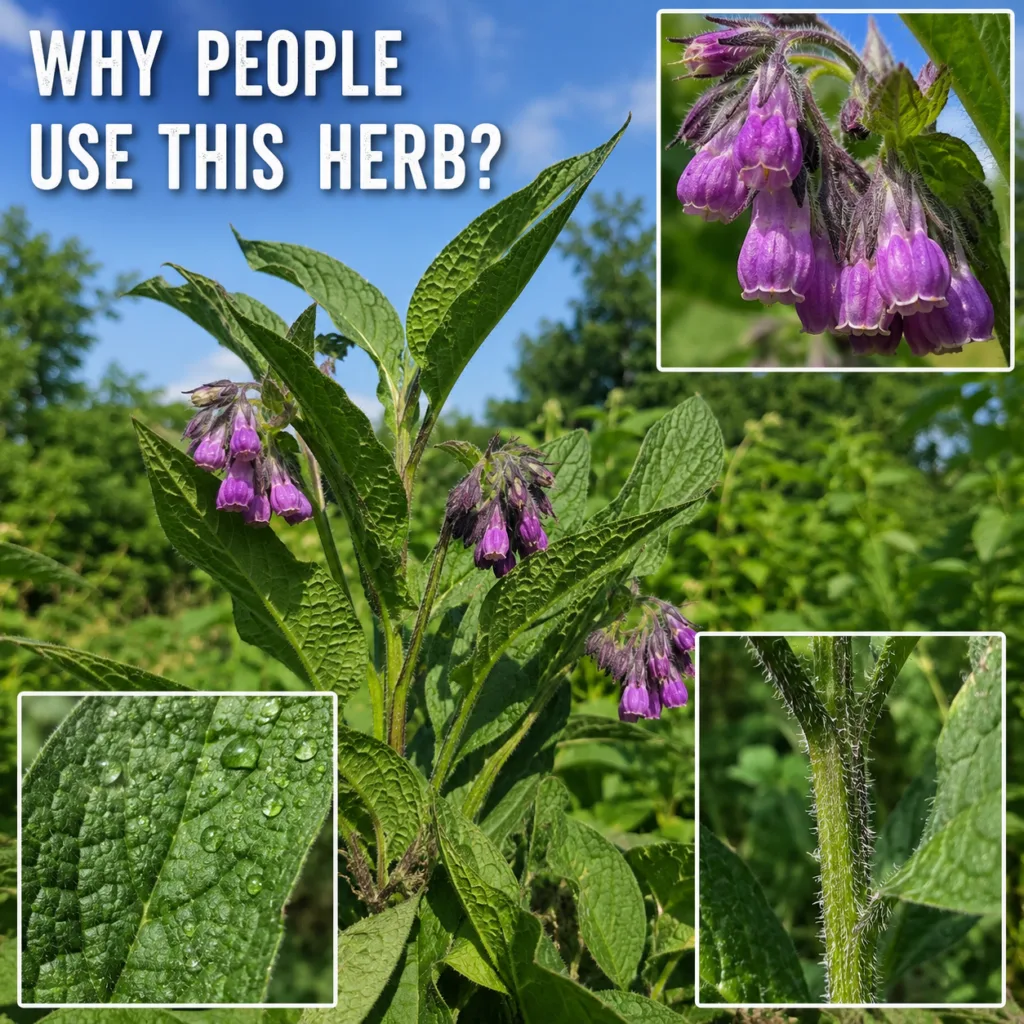
What it is: Allantoin and Comfrey
Comfrey is a perennial herb known for its large leaves and bell-shaped flowers, and it’s a natural source of allantoin. Allantoin is a powerful cell proliferant, meaning it helps to stimulate the growth of healthy new tissue. It’s often found in cosmetics and dermatological products due to its moisturizing, soothing, and healing properties. For throat comfort, allantoin’s ability to promote cell regeneration and reduce irritation can be incredibly beneficial when applied topically or used as a rinse.
It’s vital to understand the distinction: while allantoin is a valuable compound, the comfrey plant itself contains pyrrolizidine alkaloids (PAs). These PAs can be toxic to the liver if ingested. Therefore, *internal consumption of comfrey in any form is not recommended.* Our focus here is on a safe, external application: a comfrey leaf gargle that leverages allantoin’s soothing benefits without the risk of internal exposure to PAs.
Ingredients for a Comfrey Leaf Gargle
- Dried Comfrey Leaves: 2 tablespoons
- Filtered Water: 2 cups
Approximate Measurements
The ratio of dried comfrey leaves to water is important for creating an effective yet safe gargle. Using approximately 2 tablespoons of dried leaves for every 2 cups of water creates a potent infusion for gargling purposes.
Formula / Recipe: Comfrey Leaf Gargle
This simple recipe focuses on extracting the beneficial compounds from comfrey leaves into a soothing rinse, while ensuring no internal consumption.
Step-by-Step Method
- Boil Water: Bring 2 cups of filtered water to a rolling boil in a small pot.
- Add Comfrey: Remove the pot from the heat and immediately add 2 tablespoons of dried comfrey leaves to the hot water.
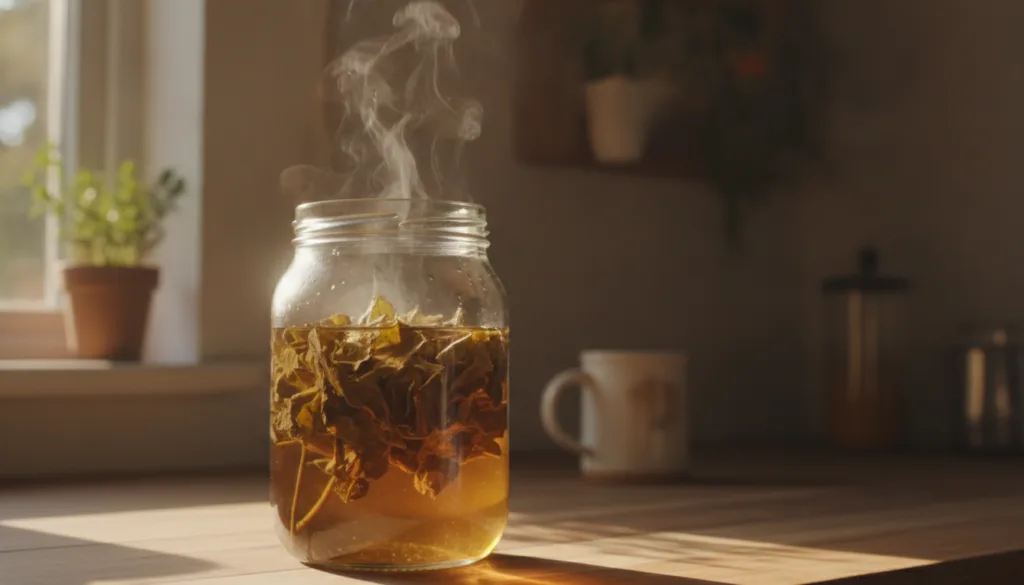
- Steep: Cover the pot with a lid to trap the steam and allow the leaves to steep for 15-20 minutes. This steeping time allows the beneficial compounds, including allantoin, to infuse into the water.
- Strain: Using a fine-mesh strainer or cheesecloth, strain the liquid into a clean, heat-proof glass jar or bottle. Discard the spent comfrey leaves.
- Cool: Allow the strained liquid to cool completely to a comfortable, lukewarm temperature before use. Do not use if it is still hot.
How to Use
Once cooled, use the comfrey gargle as a soothing mouth and throat rinse. Take a mouthful of the liquid, gargle vigorously at the back of your throat for 30-60 seconds, then spit it out completely. It is crucial not to swallow any of the gargle. Repeat this process until you have used about half a cup of the prepared liquid.
How Often to Use
You can use the comfrey gargle 2-3 times a day, especially when your throat feels raw or inflamed. It’s best to use it after meals and before bed for maximum soothing effect, as this allows the compounds to linger on the throat lining.
Quick Tip: Fresh vs. Dried Comfrey
While fresh comfrey leaves can be used, dried leaves are often preferred for gargles as they are easier to store and provide consistent potency. If using fresh leaves, double the quantity (4 tablespoons) as they contain more water and are less concentrated.
How to Buy / How to Choose Ingredients
When sourcing comfrey leaves, always opt for organically grown or wild-harvested material from a reputable supplier. Ensure the plant has not been sprayed with pesticides or herbicides. Dried leaves should have a vibrant green color and a fresh, slightly earthy aroma. Avoid any leaves that appear discolored, moldy, or have an off-smell.
Storage
Store the prepared comfrey gargle in an airtight glass container in the refrigerator for up to 24-48 hours. Beyond this, its potency may decrease, and there’s a higher risk of bacterial growth. Always check for any unusual smell or cloudiness before use.
Practical Tips
- Strain Thoroughly: Ensure no leaf particles remain in the gargle, as these could be irritating.
- Temperature Matters: Always use the gargle at a comfortable lukewarm or room temperature. Hot or very cold liquid can further irritate a sensitive throat.
- Oral Hygiene: Use the gargle after brushing your teeth to ensure maximum contact with clean oral surfaces.
Common Mistakes
- Swallowing the Gargle: This is the most critical mistake. Comfrey contains pyrrolizidine alkaloids (PAs) that are hepatotoxic (toxic to the liver) if ingested. Always spit out the gargle completely.
- Using Undiluted or Overly Concentrated Preparations: Stick to the recommended measurements to ensure a safe and effective gargle.
- Prolonged Use: While a short course for acute throat discomfort is generally fine for gargling, avoid using comfrey gargles for extended periods without professional advice, even externally.
- Using Sprayed Plants: Harvesting comfrey from areas treated with chemicals can introduce harmful substances into your gargle.
Cautions / Who Should Avoid It
Strict Warning: Comfrey is NOT for internal consumption due to the presence of pyrrolizidine alkaloids (PAs), which can cause serious liver damage. This gargle is for external, oral rinsing only. DO NOT SWALLOW.
- Pregnancy and Breastfeeding: Avoid comfrey preparations, even external ones, during pregnancy and breastfeeding.
- Children: Do not use comfrey gargles for children.
- Liver Conditions: Individuals with pre-existing liver conditions should absolutely avoid any form of comfrey.
- Open Wounds/Mucosal Damage: While allantoin promotes healing, be cautious with gargling if there are severe open sores in the throat, and consult a healthcare professional.
Always consult with a healthcare professional before starting any new herbal remedy, especially if you have underlying health conditions or are taking medications.

Quick Summary
- Best Preparation: Comfrey leaf gargle/rinse.
- Best Use-Case: Soothing raw, inflamed throats.
- Storage: Refrigerate in an airtight container for 24-48 hours.
- When to Use: 2-3 times daily, after meals and before bed, when throat irritation occurs.
- What to Avoid: Absolutely DO NOT swallow. Avoid if pregnant, breastfeeding, or with liver conditions.
FAQ
- Can I use fresh comfrey leaves instead of dried? Yes, but use double the quantity (4 tablespoons for 2 cups of water) as fresh leaves contain more moisture.
- How long does the comfrey gargle last? It lasts up to 24-48 hours when stored in the refrigerator in an airtight container.
- Can I refrigerate it? Yes, refrigeration is recommended to maintain freshness and prevent bacterial growth.
- How often should I use it? You can use it 2-3 times a day as needed for throat comfort.
- What part of the comfrey plant is best for this gargle? The leaves are typically used for gargles.
- Are there any safer alternatives for internal throat relief? Yes, for internal relief, consider herbal teas like ginger, licorice root, or marshmallow root, or look for commercial products containing synthetic allantoin, which is free of PAs.
- Can I use this for children? No, comfrey preparations, even external gargles, are not recommended for children due to safety concerns.
- When should I avoid using this gargle? Avoid if pregnant, breastfeeding, have liver issues, or if you are unsure about safe preparation and usage. Always consult a healthcare professional.
Conclusion
The soothing power of allantoin, particularly from comfrey, offers a unique way to comfort raw, inflamed throats. By preparing a safe comfrey leaf gargle and strictly adhering to the