Most people walk right past them, seeing only common weeds. But those slender green spikes from the ubiquitous plantain plant are more than just a roadside fixture; they’re a surprisingly versatile and nutritious addition to your culinary repertoire. If you’ve ever wondered what to do with these unassuming greens, you’re about to unlock a simple, resourceful meal that many overlook.
What Are Plantain Spikes?
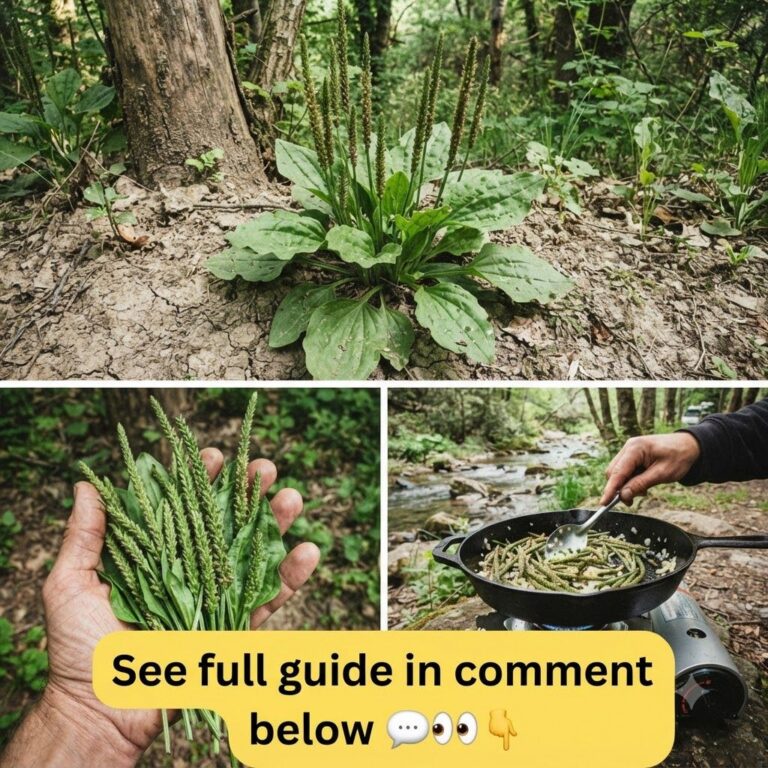
Plantain spikes are the flowering stalks of the common plantain plant (Plantago major or Plantago lanceolata). Often mistaken for lawn weeds, these resilient plants produce distinct, green, often elongated flower heads that, when young, possess a tender texture and a subtly earthy, sometimes slightly mushroomy or grassy flavor. Unlike the leaves, which are well-known for their medicinal properties, the spikes offer a unique culinary experience, especially when harvested before the flowers fully mature and produce seeds.
Ingredients for Sautéed Plantain Spikes
Turning these wild greens into a delicious dish requires just a few simple ingredients:
- 2-3 cups young plantain spikes (about 15-20 spikes, depending on size)
- 1-2 tablespoons olive oil or butter
- 2 cloves garlic, minced
- Salt and freshly ground black pepper to taste
- Optional: a squeeze of lemon juice, a pinch of red pepper flakes, or a tablespoon of soy sauce for Asian-inspired flavors.
Approximate Measurements
The quantity of plantain spikes can vary based on your harvest and preference. For a side dish serving 2-3 people, aim for about 2-3 cups of tightly packed spikes. This usually means gathering a good handful of the younger, more tender stalks. If you’re incorporating them into a larger dish like a stir-fry, a smaller amount may suffice.
Recipe: Simple Sautéed Plantain Spikes
This basic recipe highlights the natural flavor of the spikes, making them a perfect side or addition to many meals.
Step-by-Step Method
- Harvest & Clean: Gently gather young, green plantain spikes from an untreated area (see ‘How to Choose Ingredients’ below for more detail). Wash them thoroughly under cool running water to remove any dirt, insects, or debris. Pat them dry with a clean cloth or paper towel.
- Chop: Trim off any tough bases from the spikes. You can chop the spikes into 1-2 inch pieces, or leave them whole if they are very small and tender.
- Heat the Pan: Heat olive oil or melt butter in a skillet over medium heat.
- Sauté Garlic: Add the minced garlic to the pan and sauté for about 30 seconds until fragrant, being careful not to burn it.
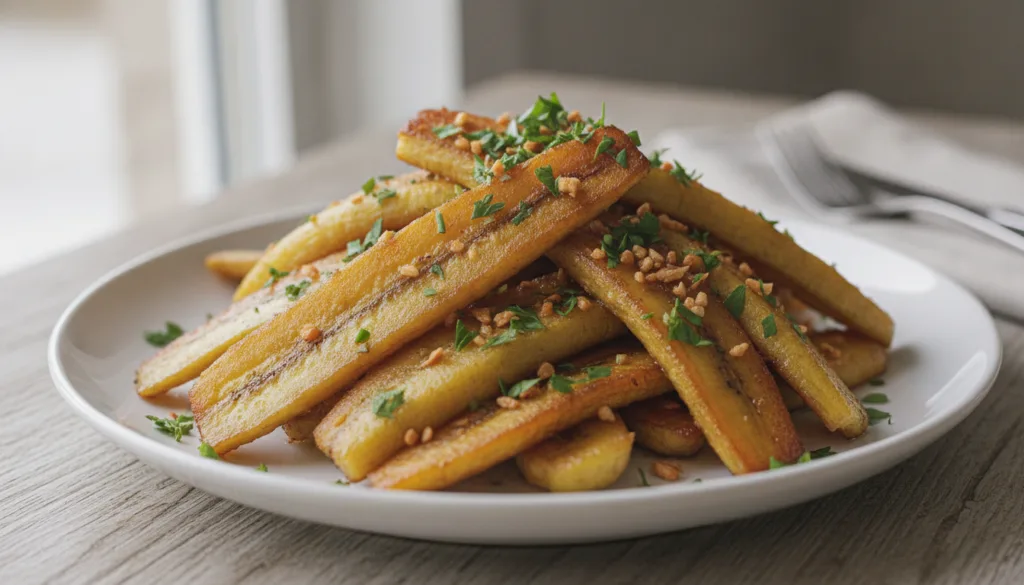
- Cook Spikes: Add the chopped plantain spikes to the skillet. Sauté for 5-7 minutes, stirring occasionally, until they are tender-crisp and bright green. They should soften but retain a slight bite.
- Season: Season with salt and freshly ground black pepper to taste.
- Optional Flavor Boost: If desired, add a squeeze of lemon juice, a pinch of red pepper flakes, or a dash of soy sauce in the last minute of cooking.
- Serve: Serve immediately as a standalone side dish, or incorporate into other recipes.
How to Use
Sautéed plantain spikes are incredibly versatile. They make a fantastic:
- Side dish to grilled meats or fish.
- Addition to omelets, scrambles, or frittatas.
- Stir-fry ingredient, adding a unique texture and flavor.
- Garnish for soups or salads (cooked).
- Component in savory tarts or quiches.
How Often to Use
Since plantain is often readily available, you can incorporate these spikes into your diet as frequently as you wish, particularly during late spring and early summer when they are most tender. As with any foraged food, moderation and variety in your diet are always good practices.
How to Choose & Harvest Plantain Spikes
The success of your plantain spike dish starts with proper identification and harvesting. Look for plantain plants in meadows, lawns, roadsides, and neglected areas.
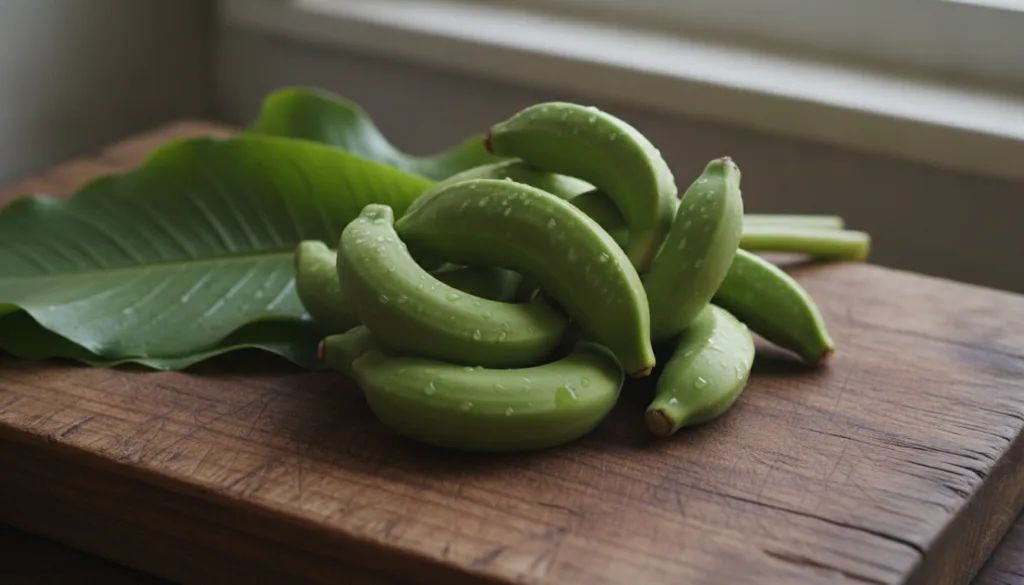
- Identification: Ensure you can positively identify plantain. Common broadleaf plantain (Plantago major) has broad, ribbed leaves at the base and a long, slender spike. Narrowleaf plantain (Plantago lanceolata) has long, narrow leaves and a shorter, denser spike. Both are edible.
- Location: Always harvest from areas free from pesticides, herbicides, and heavy pollution (e.g., away from busy roads, industrial sites).
- Timing: Harvest young, green spikes before the flowers fully open and produce mature seeds. Younger spikes are more tender and have a milder flavor. Older spikes can be fibrous and bitter.
- Harvesting: Gently snap or cut the spikes near their base. Take only what you need and leave plenty for the plant to continue growing and for wildlife.
Quick Tip: Fresh vs. Dried
Plantain spikes are best used fresh. Drying them is possible for tea or medicinal uses, but it’s not recommended for culinary purposes as they lose their desirable texture and much of their delicate flavor.
Storage
Freshly harvested plantain spikes should be used as soon as possible for the best flavor and texture. If you need to store them:
- Short-term (1-2 days): Wrap unwashed spikes loosely in a damp paper towel and place them in a breathable bag in the refrigerator.
- Cooked: Cooked plantain spikes can be stored in an airtight container in the refrigerator for up to 3 days. They can be reheated gently in a pan or microwave, but their texture may soften further.
Practical Tips
- Flavor Pairings: Plantain spikes pair well with garlic, onions, lemon, butter, olive oil, and a variety of herbs like thyme or oregano.
- Add to Soups & Stews: For a softer texture, add chopped spikes to soups or stews during the last 10-15 minutes of cooking.
- Blanching: If you find your spikes are slightly tough, a quick blanch (boiling for 1-2 minutes then plunging into ice water) before sautéing can help tenderize them.
Plantain Leaves vs. Spikes: A Quick Comparison
| Feature | Plantain Leaves | Plantain Spikes (Young) |
|---|---|---|
| Flavor Profile | Slightly bitter, earthy, spinach-like | Mild, grassy, sometimes mushroomy, less bitter |
| Texture (Cooked) | Tender, somewhat chewy (like kale/collards) | Tender-crisp, retains some bite |
| Best Use | Teas, poultices, cooked greens, soups, wraps | Sautéing, stir-fries, omelets, side dishes |
| Harvest Time | Throughout growing season | Late spring to early summer (before full maturity) |
Common Mistakes
- Misidentification: The most critical mistake. Always be 100% sure you have identified plantain correctly. If in doubt, do not consume it.
- Harvesting from Contaminated Areas: Picking spikes from roadsides, industrial areas, or treated lawns can expose you to harmful chemicals.
- Using Overly Mature Spikes: Older spikes become woody, fibrous, and can develop a more bitter taste, making them less palatable.
- Under-washing: Foraged foods can carry dirt, dust, and tiny insects. Thorough washing is essential.
- Overcooking: While you want them tender, overcooking can make them mushy and diminish their unique texture.
Cautions / Who Should Avoid It
Plantain is generally considered safe for consumption. However, as with any food, individual sensitivities can occur. If you have a known allergy to other plants in the Plantaginaceae family, exercise caution. Pregnant or nursing individuals, and those with underlying health conditions, should consult a healthcare professional before adding new wild foods to their diet.
Never consume a plant you cannot positively identify. When in doubt, leave it out.
Quick Summary
- Best Preparation: Sautéed with garlic and oil, or added to stir-fries.
- Best Use-Case: A unique, nutritious side dish or an ingredient in various savory meals.
- Storage: Use fresh within 1-2 days in the fridge; cooked for up to 3 days.
- When to Use: Late spring to early summer for optimal tenderness.
- What to Avoid: Overly mature, fibrous spikes; harvesting from contaminated areas; misidentification.
FAQ
- Can I eat plantain spikes raw?
While not toxic, raw plantain spikes can be quite fibrous and less palatable. Cooking them significantly improves their texture and flavor. - What do young plantain spikes taste like?
They have a mild, earthy, slightly grassy, and sometimes subtly mushroomy flavor. - How do I differentiate plantain from similar-looking plants?
Look for the distinctive parallel veins on the leaves and the absence of milky sap when broken. Always use a reliable field guide for identification. - Can I harvest plantain spikes from my garden?
Yes, if your garden is free from pesticides and herbicides, it’s a great place to forage. - How long do harvested plantain spikes last?
Best used within 1-2 days when stored properly in the refrigerator. - What part of the plantain plant is best for culinary use?
Both young leaves and young spikes are edible. Leaves are great for cooked greens, while spikes offer a unique texture for sautéing.
You may also like: A Beginner’s Guide to Foraging Edible Wild Greens
Conclusion
The next time you spot those familiar green plantain spikes, don’t just dismiss them as a weed. With a little knowledge and preparation, they can become a delicious and free culinary adventure right from your backyard or local green space. Embrace the art of resourceful eating and transform these common greens into a meal that’s both simple and surprisingly satisfying.
Continue with: How to Make Your Own Herbal Infused Oils