Unlock the Unexpected Power of a Common Garden Leaf for Respiratory Comfort
Do you ever find yourself struggling with seasonal sniffles, a persistent cough, or simply yearning for clearer, easier breathing? In our fast-paced world, many of us seek gentle, natural ways to support our well-being. What if the answer to some of your respiratory woes was growing right under your nose, perhaps even in your own backyard?
This often-overlooked plant, recognized in traditional wisdom for centuries, holds a subtle power that might surprise you. Its leaves, when properly prepared, can offer a soothing touch to your airways. Most people walk past this familiar plant daily, never realizing the gentle support it offers to their lungs.
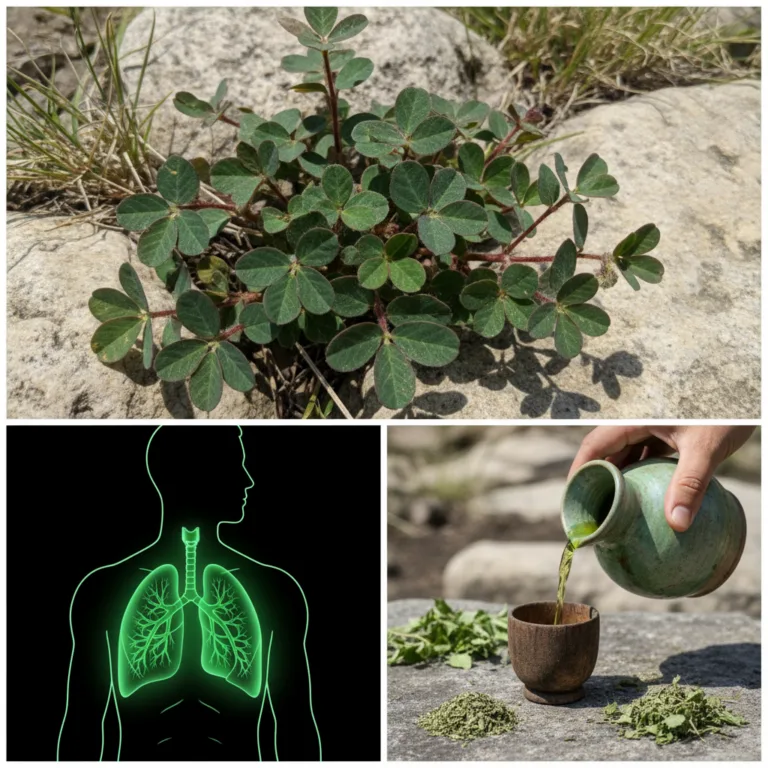
Ingredients
- A handful of fresh Red Clover leaves (approximately 1/4 cup, chopped) OR 1-2 teaspoons of dried Red Clover leaves
- 1 cup of filtered hot water
How to Prepare
- If using fresh leaves, gently rinse them under cool water and chop them finely.
- Place the fresh or dried Red Clover leaves into a heat-resistant mug or small pot.
- Bring 1 cup of filtered water to a boil, then immediately pour it over the Red Clover leaves.
- Cover the mug or pot to prevent the beneficial volatile compounds from escaping.
- Allow the infusion to steep for 10-15 minutes. For a stronger brew, you can let it steep a bit longer, but avoid exceeding 20 minutes to prevent bitterness.
- Strain the liquid into a clean cup, discarding the plant material.
How to Use + Best Time to Take
Enjoy your Red Clover infusion warm. It can be consumed once or twice daily. The best time to take it is often in the morning or early afternoon to support respiratory comfort throughout the day. Some find a cup before bed helpful for a soothing effect, though it’s generally not stimulating.
Why It Works (Science Insight)
Red Clover (Trifolium pratense) has been valued in traditional herbal practices for its potential to support respiratory health. While not a medicine, it is often considered an expectorant, meaning it may help thin and loosen mucus, making it easier to clear from the airways. It contains various compounds, including isoflavones, flavonoids, and coumarins, which are studied for their antioxidant and mild anti-inflammatory properties. These components are believed to contribute to its soothing effect on the respiratory system, potentially helping to alleviate minor irritations and promote a sense of openness in the bronchial passages. Its gentle nature makes it a resourceful choice for those seeking botanical support for their breathing.
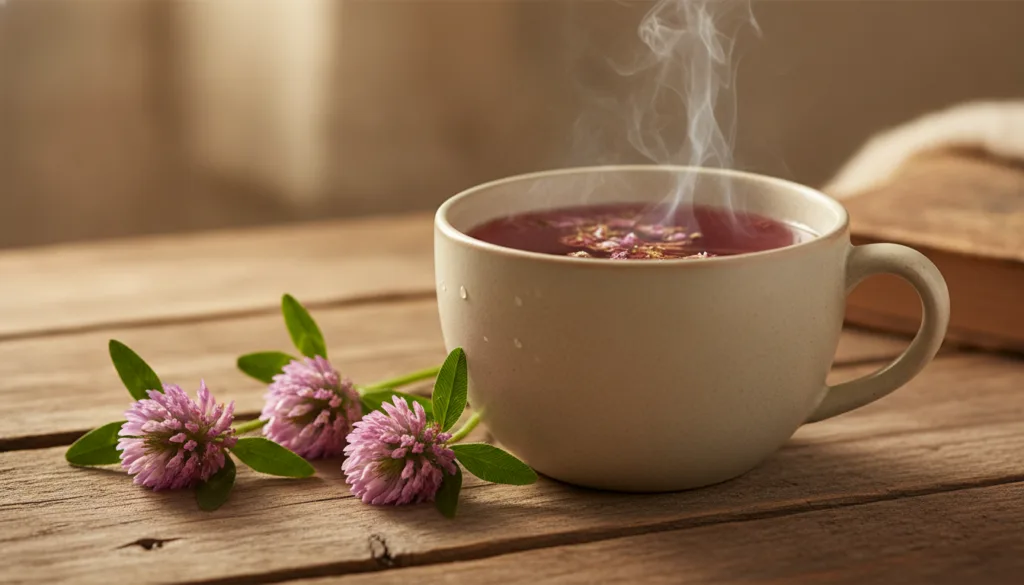
Who Benefits Most
This traditional Red Clover infusion may be most beneficial for individuals who are looking for gentle, natural support for their respiratory system. This includes those experiencing mild seasonal respiratory discomforts, occasional coughs, or anyone interested in incorporating traditional plant wisdom into their daily wellness routine to support overall lung vitality. It can be a warm, comforting addition during colder months or times when airways feel more vulnerable.
Quick Notes / Safety / Simple Adjustments
- Identification is Key: If foraging for Red Clover, ensure you are 100% certain of its identification. Misidentification can be dangerous.
- Sourcing: If you are unsure about foraging, purchase dried Red Clover from a reputable herbal supplier.
- Pregnancy and Breastfeeding: Due to its isoflavone content, which can mimic estrogen, Red Clover is generally not recommended during pregnancy or breastfeeding without consulting a healthcare professional.
- Medication Interactions: Red Clover contains coumarins, which can have a mild blood-thinning effect. If you are on blood-thinning medication or have a bleeding disorder, consult your doctor before using Red Clover.
- Allergies: As with any herb, discontinue use if you experience any adverse reactions.
- Taste Adjustment: The taste of Red Clover tea is mild and slightly sweet. If desired, a touch of honey or lemon can be added.
Always remember that while traditional remedies offer intriguing insights, they are not substitutes for professional medical advice. For specific health concerns, it’s wise to consult with a qualified healthcare provider.