Do you often find yourself holding back a full, joyous smile because of yellowed teeth? It’s a common concern, and if you’ve ever wished for a brighter, more confident grin without resorting to harsh chemicals, you’re certainly not alone.
Many of us dream of sparkling white teeth, but the reality of daily life – from our morning coffee to that evening glass of red wine – can take a toll on our pearly whites. What if a simple, traditional approach could offer a gentle nudge toward a more radiant smile?
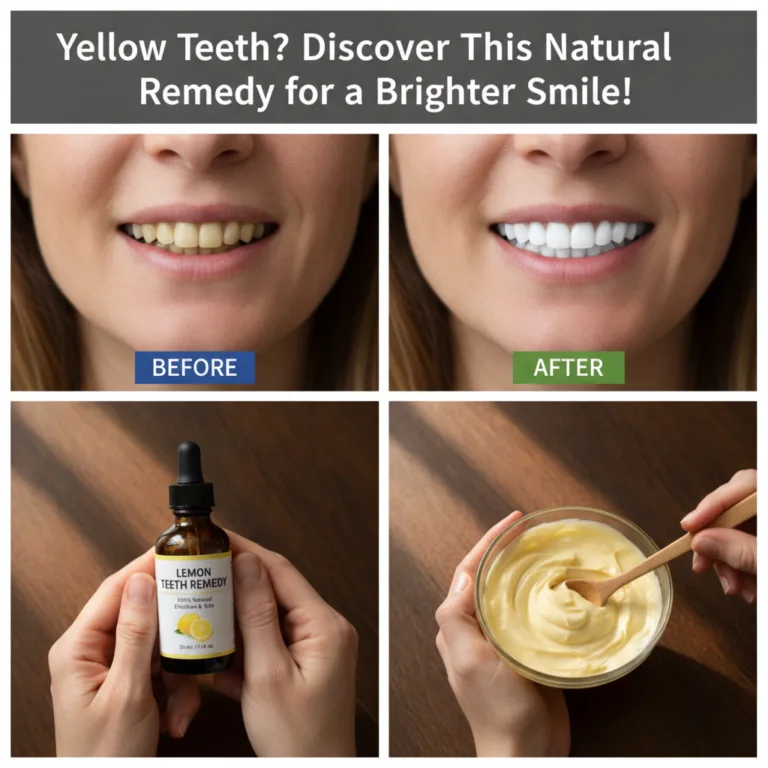
Why This Matters: The Quest for a Radiant Smile
Our smiles are powerful. They convey warmth, happiness, and confidence. So, it’s understandable why so many people are interested in natural ways to combat tooth discoloration. Yellow teeth can result from a variety of factors: aging, genetics, certain foods and drinks (like coffee, tea, and berries), tobacco use, and even some medications.
While commercial whitening products are widely available, many people prefer natural alternatives, hoping to avoid sensitivity or exposure to artificial ingredients. The appeal of a home remedy lies in its simplicity and the satisfaction of using ingredients you might already have in your pantry. However, it’s crucial to approach any home dental solution with knowledge and caution.
Understanding the Lemon and Baking Soda Approach
When it comes to natural teeth whitening, a combination of lemon and baking soda has been a popular traditional remedy for generations. But how exactly does this duo work, and what should you know before trying it?
Lemon: Nature’s Mild Astringent
Lemons are packed with citric acid, a natural bleaching agent. Traditionally, lemon juice has been used to lighten hair, clean surfaces, and, yes, even as a component in some home dental remedies. The citric acid is believed to help break down surface stains, giving teeth a temporarily brighter appearance.
Baking Soda: The Gentle Scrubber
Baking soda (sodium bicarbonate) is a mild abrasive. Its fine crystalline structure can gently scrub away surface stains without being overly harsh on enamel, provided it’s used correctly and infrequently. It also has a slightly alkaline pH, which some believe can help neutralize acids in the mouth, though this effect is brief when combined with lemon.
How They Work Together (and the Important Caveat)
The theory behind combining lemon juice and baking soda is that the citric acid helps to loosen stains, while the baking soda physically buffs them away. Together, they create a fizzy reaction that many traditional users associate with a cleaning effect. However, it’s vital to understand that this remedy primarily addresses *surface stains* and does not change the intrinsic color of your teeth.
Important Caveat: While these ingredients are natural, lemon juice is highly acidic. Prolonged or frequent exposure to acid can erode tooth enamel, leading to increased sensitivity and potential damage over time. This is why careful, infrequent application is absolutely paramount.
Your Practical Guide to a Lemon & Baking Soda Paste (Use with Extreme Caution!)
If you choose to explore this traditional remedy, here’s how to prepare and apply a paste, keeping safety as your top priority. Remember, this is NOT a daily solution and should be used sparingly.
Preparation:
- Gather your ingredients: You’ll need fresh lemon juice and baking soda.
- Mix a small amount: In a small, clean bowl, combine 1 teaspoon of baking soda with just enough fresh lemon juice (start with about ½ teaspoon) to form a thick paste. It should be consistent, not watery.
Application (Read Safety & Precautions First!):
- Brush and rinse: Gently brush your teeth with water first to remove any food particles.
- Apply sparingly: Using a clean finger or a cotton swab, carefully dab a very small amount of the paste onto the stained areas of your teeth. Avoid contact with your gums as much as possible.
- Limit exposure time: Let the paste sit on your teeth for no more than 1 minute. Seriously, set a timer!
- Rinse thoroughly: After 1 minute, rinse your mouth extremely well with plenty of plain water to remove all traces of the paste and neutralize the acidity.
- Wait before brushing: Do NOT brush your teeth immediately after rinsing. The enamel may be temporarily softened by the acid, and brushing could cause erosion. Wait at least 30-60 minutes before gently brushing your teeth with a fluoride toothpaste.
Frequency:
This remedy should be used very, very infrequently – no more than once every few weeks, and ideally less often. Consider it an occasional polish for surface stains, not a regular dental treatment.
Safety & Precautions: Prioritize Your Enamel!
Your dental health is paramount. While natural remedies can be appealing, it’s crucial to understand their limitations and potential risks, especially with acidic ingredients.
- Enamel Erosion: The primary concern with lemon juice is its high acidity. Frequent or prolonged use can lead to irreparable enamel erosion, making your teeth more sensitive, prone to cavities, and ironically, appear yellower over time as the underlying dentin becomes exposed.
- Gum Irritation: Lemon juice can irritate sensitive gum tissue.
- Who Should Be Cautious/Avoid:
- Individuals with sensitive teeth or gums.
- Anyone with existing dental issues like cavities, receding gums, or exposed roots.
- People with braces, retainers, or recent dental work (fillings, crowns, veneers), as acids can affect these materials.
- Pregnant or breastfeeding individuals should always consult a healthcare professional before trying any new remedy.
- Consult a Professional: Always discuss any home whitening remedies with your dentist before trying them, especially if you have concerns about tooth sensitivity or existing dental conditions. They can offer personalized advice and recommend safer, more effective options for achieving a brighter smile.
Key Takeaways for a Brighter, Healthier Smile
- Lemon and baking soda is a traditional remedy for surface stains, not a deep whitener.
- Due to the acidity of lemon, this method carries a significant risk of enamel erosion if used improperly or too frequently.
- Use sparingly, for no more than 1 minute, and rinse thoroughly.
- Always wait 30-60 minutes before brushing after using acidic remedies.
- Prioritize dental health: consult your dentist before trying any home whitening method.
- Focus on daily oral hygiene and limiting stain-causing foods and drinks for long-term oral health.
FAQ: Your Questions Answered
Is the lemon and baking soda remedy safe for daily use?
Absolutely not. Due to lemon’s high acidity, daily use can severely damage your tooth enamel, leading to sensitivity and further discoloration. It should only be used very, very occasionally, if at all.
How quickly will I see results?
Any brightening you observe will likely be subtle and due to the removal of surface stains. This remedy does not change the natural color of your teeth, and results are temporary.
Are there other natural ways to maintain a white smile?
Yes! Good oral hygiene (brushing twice daily, flossing), regular dental cleanings, and limiting highly pigmented foods and drinks (like coffee, red wine, dark berries) are the best natural strategies to prevent stains and maintain a healthy, bright smile.
Can I use this remedy if I have sensitive teeth?
It is strongly advised to avoid this remedy if you have sensitive teeth, as the acidity of lemon can exacerbate sensitivity and potentially cause further damage to weakened enamel.
Related Reading You Might Enjoy
- Healthy Foods for Stronger Teeth and Gums
- DIY Natural Mouthwash Recipes for Fresh Breath
- Exploring Oil Pulling: An Ancient Oral Health Practice
- Preventing Tooth Sensitivity Naturally