Many people struggle with occasional digestive discomfort, skin woes, or a general feeling of sluggishness, often looking for complex solutions. What if a powerful natural helper was growing in plain sight, often overlooked? The vibrant papaya fruit gets all the attention, but its leaves hold a surprising arsenal of beneficial compounds. Most people never realize this works because they either discard the leaves or aren’t sure how to properly prepare them. It’s time to reconsider this humble botanical.
Papaya leaves, whether fresh, dried, or powdered, are more than just green foliage. They are a traditional remedy revered for their unique properties, offering support for digestion, healthy skin, and overall vitality. Often dismissed as mere waste after the fruit is harvested, these leaves contain potent enzymes and plant compounds that can make a noticeable difference in your wellness routine. Learning to harness their potential is simpler than you might think.
What It Is
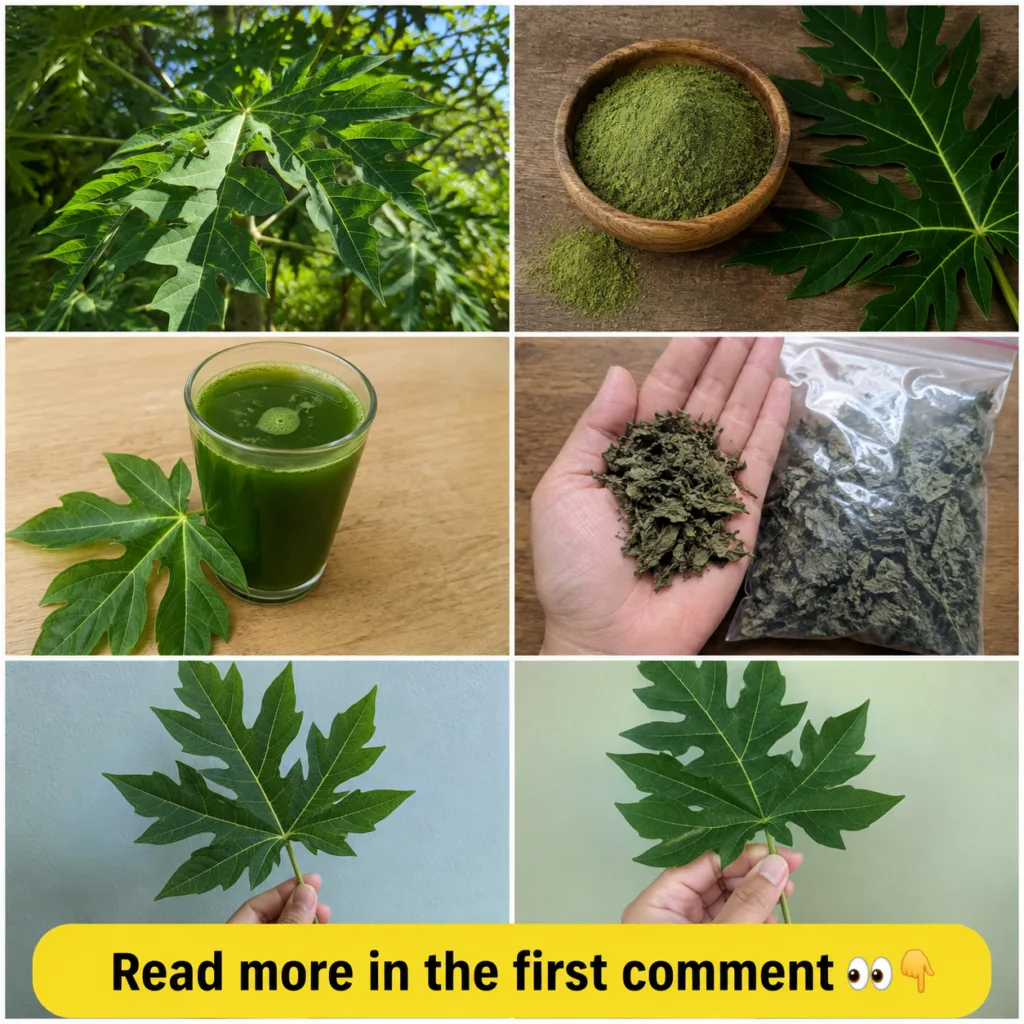
Papaya leaves come from the Carica papaya plant, a tropical tree widely cultivated for its sweet fruit. While the fruit is popular, the leaves are rich in compounds like papain, chymopapain, and other proteolytic enzymes, which are known for their protein-digesting abilities. Beyond enzymes, they contain alkaloids, phenolic compounds, and powerful antioxidants such as flavonoids and tocopherols. These components work together, contributing to the leaf’s traditional uses for digestive health, anti-inflammatory support, and even skin wellness.
Ingredients for Papaya Leaf Tea
- 10-15 fresh, medium-sized papaya leaves OR 1-2 tablespoons dried, crushed papaya leaves
- 4 cups filtered water
Approximate Measurements
For fresh leaves, roughly 10-15 medium leaves will yield enough potency for about 4 cups of tea. If using dried leaves, a significantly smaller amount is needed due to their concentrated nature – about 1-2 tablespoons. These measurements provide a good starting point for a moderate strength tea.
Formula / Recipe: Papaya Leaf Tea
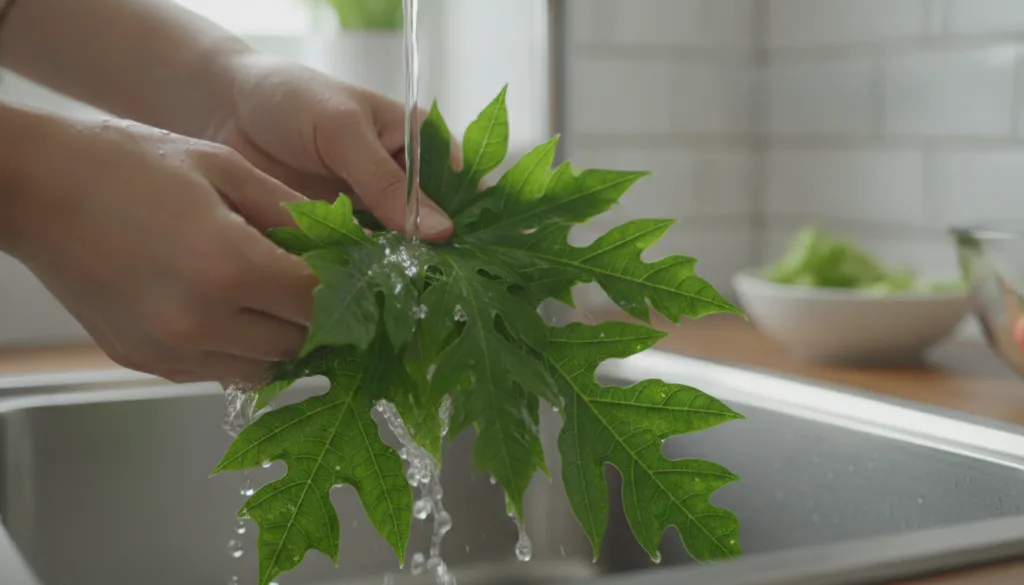
- Clean the Leaves: Rinse fresh papaya leaves thoroughly under cool running water to remove any dirt or debris. If using dried leaves, skip this step.
- Chop (Fresh Leaves Only): Coarsely chop the fresh leaves into smaller pieces. This increases the surface area for better extraction during boiling.
- Boil Water: Bring 4 cups of filtered water to a rolling boil in a non-reactive pot (stainless steel or glass is ideal).
- Add Leaves: Add the chopped fresh papaya leaves or dried crushed leaves to the boiling water.
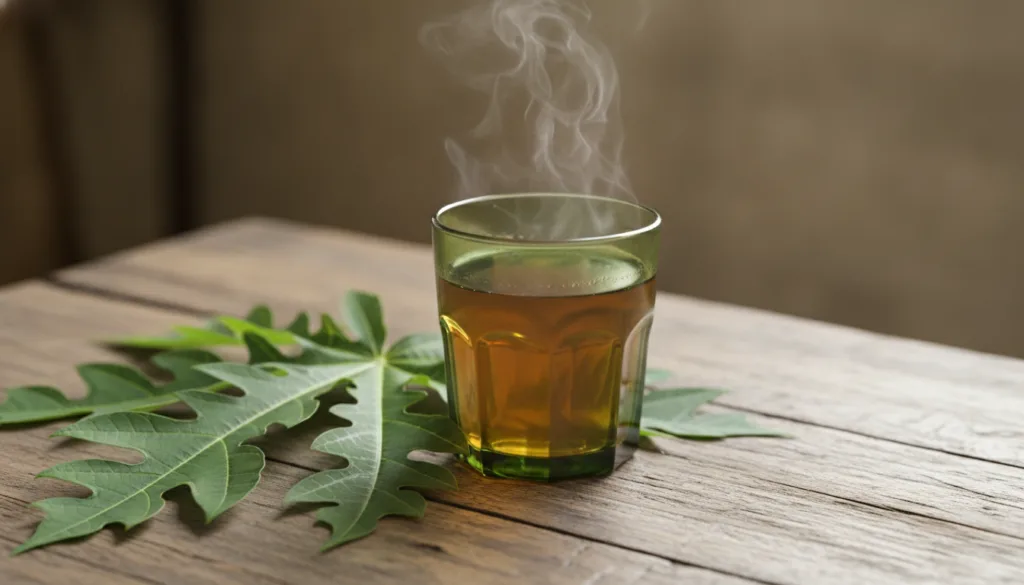
- Simmer: Reduce the heat to low, cover the pot, and let it simmer gently for about 15-20 minutes. The water should reduce by about half, and the liquid will turn a deep, dark green or brownish color.
- Strain: Remove the pot from heat and let it cool slightly. Strain the liquid through a fine-mesh sieve into a clean jar or heat-proof container, discarding the spent leaves.
- Cool: Allow the tea to cool to a comfortable drinking temperature before consuming.
How to Use & Best Time to Take
The papaya leaf tea can be consumed warm or cold. For general wellness support, a single cup daily is a common practice. For digestive support, consider drinking it about 30 minutes before a meal to help prepare your system, or after a heavy meal to aid digestion. If you’re using it to help with occasional sluggishness, a cup in the morning might be invigorating.
How Often to Use
For general health maintenance, consuming papaya leaf tea once daily for a period of 1-2 weeks, followed by a break, is often suggested. If addressing specific acute issues, consult with a qualified health practitioner for personalized guidance. Continuous, long-term daily use without breaks is generally not recommended.
How to Buy / How to Choose Ingredients
When selecting papaya leaves, quality matters significantly. Fresh leaves are ideal if you have access to a reliable, organic source free from pesticides and chemical sprays. Look for vibrant green leaves without wilting, yellowing, or signs of pest damage. For dried leaves, choose reputable suppliers who can confirm their source and processing methods. Ensure they are free from mold, excessive dust, or any off-putting odors. Powders should be finely milled and pure, with no added fillers.
Fresh vs. Dried Papaya Leaves: Best Uses
| Feature | Fresh Papaya Leaves | Dried Papaya Leaves |
|---|---|---|
| Availability | Seasonal, requires a plant | Year-round, easy to store |
| Potency | Full spectrum of fresh enzymes | Concentrated, some enzyme loss |
| Preparation | Chopping, boiling | Brewing, easier to handle |
| Taste | More bitter, ‘green’ flavor | Milder, earthy notes |
| Typical Use | Juices, teas, poultices | Teas, powders, capsules |
Storage
For Fresh Leaves: Store unwashed fresh leaves in a plastic bag in the refrigerator for up to 3-5 days. For longer storage, you can wash, pat dry, and then freeze them in an airtight container for up to a few months, though their texture will change.
For Papaya Leaf Tea: The prepared tea can be stored in an airtight jar in the refrigerator for up to 2-3 days. After this, its potency and freshness will diminish, and it may start to spoil.
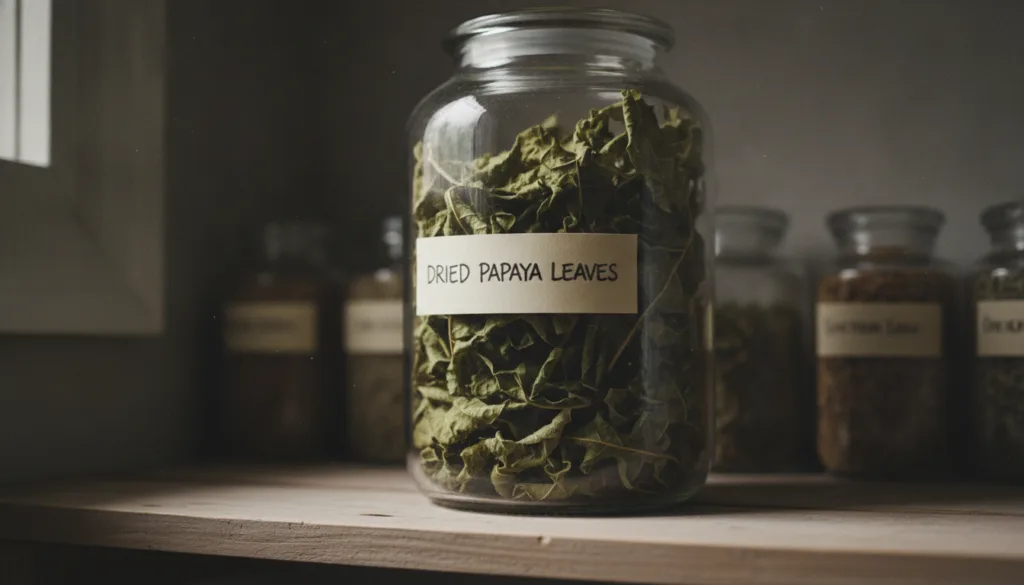
For Dried Leaves/Powder: Keep dried leaves or powder in an airtight container away from direct sunlight, heat, and moisture. A cool, dark pantry is ideal. Properly stored, they can last for 6-12 months.
Practical Tips
- Add Flavor: Papaya leaf tea can be quite bitter. A squeeze of fresh lemon juice, a hint of ginger, or a teaspoon of honey can make it more palatable.
- Consider a Blend: For digestive benefits, some find blending it with peppermint or fennel tea enhances its effects and flavor.
- Who Benefits Most: Individuals seeking natural digestive support, those looking to bolster their antioxidant intake, or people interested in traditional remedies for overall vitality often find papaya leaf preparations beneficial. The enzymes are particularly helpful for protein digestion.
- Growing Your Own: If you live in a tropical or subtropical climate, consider growing a papaya tree. It’s relatively easy, and you’ll have a constant supply of fresh leaves.
Did You Know? Papain’s Role
The enzyme papain, found abundantly in papaya leaves, is so effective at breaking down proteins that it’s often used as a meat tenderizer. In the body, this same action can aid in the digestion of complex proteins, potentially reducing bloating and discomfort after meals. Chymopapain is another key enzyme contributing to these effects.
Common Mistakes
- Using Sprayed Leaves: Never use leaves from plants that have been treated with pesticides or herbicides. These chemicals can be harmful when ingested.
- Boiling Too Long: While some simmering is good for extraction, excessive or prolonged high-heat boiling can degrade some of the delicate enzymes and beneficial compounds.
- Improper Storage: Storing fresh leaves in humid conditions can lead to mold, and dried leaves exposed to air and light lose potency quickly.
- Overuse: While beneficial, using excessively large quantities or continuous daily consumption without breaks can sometimes lead to unwanted effects. Always follow recommended dosages.
- Mistaking Plant Parts: Ensure you are using the leaf of the papaya tree, not other parts like the stem or flower, which may have different properties or effects.
Cautions / Who Should Avoid It
While generally safe for most people in moderate amounts, there are some considerations:
- Pregnancy and Breastfeeding: Pregnant and breastfeeding individuals should avoid papaya leaf preparations due to potential effects on uterine contractions or unknown impacts on infants.
- Bleeding Disorders/Anticoagulants: Papaya leaf may have blood-thinning properties. If you have a bleeding disorder or are taking anticoagulant medications (e.g., warfarin), consult your doctor before use.
- Allergies: Individuals allergic to papaya fruit or latex should exercise caution, as they may also be sensitive to the leaves.
- Surgery: Discontinue use at least two weeks before any scheduled surgery due to potential effects on blood clotting.
- Digestive Sensitivity: Some individuals may experience mild stomach upset or allergic reactions. Start with a small amount to assess tolerance.
Quick Summary
Papaya leaves offer a versatile, traditional approach to wellness, particularly for digestive health and antioxidant support. The most common and effective preparation is a tea made from fresh or dried leaves. Always prioritize high-quality, organic leaves and adhere to recommended dosages and usage frequencies. Store properly to maintain potency. Those who are pregnant, breastfeeding, on blood thinners, or have allergies should avoid it.
FAQ
- Can I use fresh or dried papaya leaves?
Both can be used. Fresh leaves tend to be more potent in terms of fresh enzymes, while dried leaves are more concentrated and convenient for storage and year-round use. - How long does papaya leaf tea last?
The prepared tea can be refrigerated in an airtight container for up to 2-3 days. - How often should I use papaya leaf tea?
For general wellness, once daily for 1-2 weeks is a common approach, followed by a break. Consult a healthcare provider for specific concerns. - What part of the papaya plant is best for this remedy?
The leaves are specifically used for this traditional remedy due to their unique enzyme and antioxidant content. - Can I reuse the leaves for another batch of tea?
It’s not recommended. Most of the beneficial compounds will have been extracted in the first brew, significantly reducing the potency of a second batch. - Is it okay to drink papaya leaf juice instead of tea?
Yes, fresh papaya leaf juice is another popular method. It is often more concentrated, so smaller amounts are typically consumed. - When should I avoid papaya leaf preparations?
Avoid if pregnant, breastfeeding, on blood-thinning medication, or allergic to papaya or latex. Always consult a doctor if you have underlying health conditions.
Conclusion
The humble papaya leaf holds a wealth of potential benefits often overlooked in favor of its sweet fruit. By understanding its simple preparations, proper usage, and important cautions, you can tap into this traditional remedy. Adding papaya leaf tea to your routine could be a practical step toward supporting your digestive comfort and overall well-being, proving that sometimes, the most basic solutions are the most profound.