Most people see dandelions as mere garden weeds, often overlooked or removed without a second thought. Yet, for centuries, herbalists have prized this resilient plant, not for its bright yellow flowers, but for its potent roots and leaves. While the flowers are certainly charming, it’s the less visible parts that hold surprising potential, particularly when it comes to supporting kidney health and offering a natural approach to kidney stone relief.
One small preparation mistake can undermine the entire benefit of dandelion, especially when aiming for its diuretic and ‘stonebreaker’ properties. This guide cuts through the common misconceptions, offering a practical, step-by-step method to harness dandelion’s unique compounds.
What It Is: Dandelion’s Kidney Connection
Dandelion (Taraxacum officinale) is far more than just a weed. Its roots and leaves are rich in compounds like taraxacin, inulin, and various antioxidants. These components contribute to its well-documented diuretic effects, which means it can help increase urine flow. For kidney stone concerns, this increased flow is crucial as it can help flush out tiny particles before they form larger stones, and potentially assist in the passage of existing small stones.
The term “stonebreaker” isn’t a medical claim, but rather a traditional designation reflecting its historical use in folk medicine for urinary tract health. It’s important to understand that dandelion doesn’t “dissolve” stones, but rather supports the body’s natural processes in managing them by promoting urinary flow and potentially reducing inflammation.

Ingredients for Your Dandelion Kidney Tonic
Making an effective dandelion tonic for kidney support is simple, requiring minimal ingredients. The key is sourcing quality dandelion parts.
- Dandelion Root (dried or fresh): Approximately 2 tablespoons for dried, or 3-4 tablespoons for chopped fresh root. The root is prized for its detoxifying and diuretic properties.
- Dandelion Leaves (dried or fresh): Approximately 1 tablespoon for dried, or 2 tablespoons for chopped fresh leaves. The leaves are also highly diuretic and contain vitamins and minerals.
- Water: 2-3 cups of filtered water.
Quick Tip: While both roots and leaves are beneficial, for kidney stone support, the roots are often considered the “heavy hitters” due to a higher concentration of certain compounds.
Approximate Measurements
These measurements are for a single serving of the tonic. You can scale them up for larger batches, but remember proper storage.
- Dried Dandelion Root: 10-15 grams (approx. 2 tbsp)
- Dried Dandelion Leaves: 5-7 grams (approx. 1 tbsp)
- Fresh Dandelion Root (chopped): 20-30 grams (approx. 3-4 tbsp)
- Fresh Dandelion Leaves (chopped): 10-15 grams (approx. 2 tbsp)
- Water: 500-750 ml (2-3 cups)
Formula / Recipe: Dandelion Root & Leaf Decoction
This method focuses on creating a potent decoction, which is more effective for extracting beneficial compounds from tougher plant parts like roots compared to a simple infusion (tea).
Step-by-Step Method
- Prepare Dandelion: If using fresh dandelion roots and leaves, wash them thoroughly to remove any soil. Chop the roots into small, pea-sized pieces and roughly chop the leaves. If using dried, no preparation is needed other than measuring.
- Combine & Simmer: Place the chopped dandelion roots (and leaves, if using) into a small saucepan. Add 2-3 cups of filtered water.
- Bring to a Boil: Bring the mixture to a gentle boil.
- Reduce & Simmer: Once boiling, reduce the heat to low, cover, and let it simmer for 15-20 minutes. This allows for a thorough extraction of the compounds from the roots.
- Add Leaves (if separate): If you are adding dried leaves separately, add them during the last 5 minutes of simmering.
- Strain: Remove the saucepan from the heat. Strain the liquid through a fine-mesh sieve or cheesecloth into a mug or jar, pressing on the solids to extract all liquid. Discard the spent plant material.
- Cool & Serve: Allow the decoction to cool slightly before drinking. You can drink it warm or at room temperature.
How to Use Your Dandelion Tonic
This decoction is best consumed plain. Its natural bitterness is a sign of its potency. For taste, you may add a slice of lemon, but avoid sugar or artificial sweeteners.
How Often to Use
For general kidney support or as part of a regimen to manage kidney stones, it’s typically recommended to consume 1-2 cups of this dandelion tonic per day. Start with one cup to assess your body’s response. Consistency is more important than large, infrequent doses.
Important: Do not exceed two weeks of continuous daily use without consulting a healthcare professional, especially if you have existing kidney conditions or are taking medication.
How to Buy / How to Choose Ingredients
Sourcing quality dandelion is critical for both safety and efficacy.

Fresh vs. Dried Dandelion
| Feature | Fresh Dandelion | Dried Dandelion |
|---|---|---|
| Source | Wild-harvested, garden grown | Herbal suppliers, health food stores |
| Potency | High, if harvested correctly | High, if dried properly |
| Convenience | Requires cleaning & chopping | Ready to use, longer shelf life |
| Storage | Few days refrigerated | 1-2 years in airtight container |
| Cost | Free (if wild-harvested) | Moderate |
If wild-harvesting, ensure the dandelions are from areas free of pesticides, herbicides, and heavy vehicle traffic (away from roadsides). Look for vibrant green leaves and firm roots. If buying, choose organic dried dandelion root and leaves from reputable herbal suppliers.
Storage
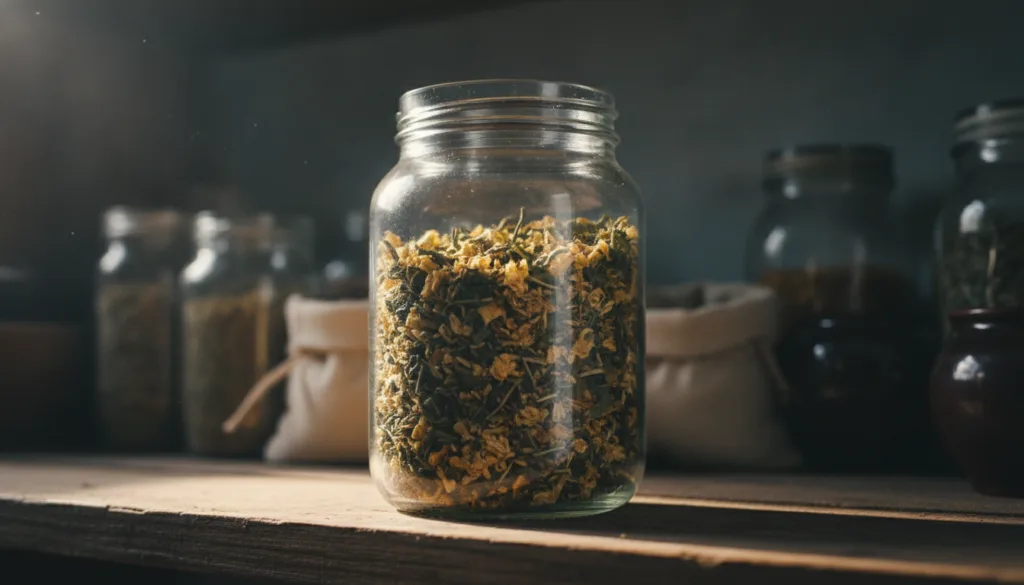
- Dried Dandelion: Store in an airtight container in a cool, dark place. It can last 1-2 years.
- Fresh Dandelion: Wrap roots in a damp paper towel and store in the refrigerator for up to 5 days. Leaves are best used fresh but can be stored similarly for 2-3 days.
- Prepared Tonic: Store any leftover decoction in a sealed glass jar in the refrigerator for up to 48 hours.
Practical Tips for Enhanced Efficacy
- Hydration is Key: Dandelion is a diuretic. Ensure you drink plenty of plain water throughout the day to support kidney function and prevent dehydration.
- Combine with Lemon: Lemon juice can help make the urine more alkaline, which may be beneficial in preventing certain types of kidney stones.
- Listen to Your Body: Pay attention to how your body responds. If you experience discomfort, reduce the dosage or discontinue use.
You may also like: The Ultimate Guide to Lemon Water Detox
Common Mistakes to Avoid
- Using Sprayed Dandelions: Never harvest dandelions from areas treated with pesticides or herbicides. This can introduce harmful chemicals into your remedy.
- Boiling Too Briefly: For roots, a simple steep isn’t enough. Boiling (simmering) for at least 15-20 minutes ensures proper extraction of beneficial compounds.
- Skipping Washing: Even if you harvest from a clean area, roots and leaves need thorough washing to remove soil and potential microbes.
- Ignoring Hydration: Dandelion is a diuretic; failing to drink enough plain water can counteract its benefits and potentially lead to dehydration.
- Overdosing: More is not always better. Stick to recommended dosages to avoid potential side effects.
Cautions / Who Should Avoid It
While generally safe for most people, dandelion should be used with caution in certain situations:
- Allergies: Individuals allergic to ragweed, chrysanthemums, marigolds, or daisies may also be allergic to dandelion.
- Medication Interactions: Dandelion can interact with certain medications, including diuretics, blood thinners, lithium, and some antibiotics. Consult your doctor if you are on medication.
- Gallbladder Issues: People with bile duct obstruction or gallstones should exercise caution, as dandelion can stimulate bile flow.
- Digestive Upset: Some individuals may experience mild digestive upset, heartburn, or diarrhea, especially with high doses.
- Pregnancy and Breastfeeding: Limited research exists; consult a healthcare provider before use.
Always consult with a healthcare professional before starting any new herbal remedy, especially if you have underlying health conditions or are taking prescription medications.
Quick Summary: Dandelion for Kidney Support
- Best Preparation: Decoction (simmering roots and leaves) for maximum extraction.
- Best Use-Case: Promoting urinary flow, aiding in flushing small kidney stone particles, general kidney support.
- Storage: Dried herbs in airtight containers for up to 2 years; prepared tonic refrigerated for up to 48 hours.
- When to Use: 1-2 cups daily for up to two weeks, with breaks.
- What to Avoid: Sprayed dandelions, boiling too briefly, neglecting hydration, exceeding recommended doses.
Frequently Asked Questions (FAQ)
Q: Can I use fresh or dried dandelion?
A: Both can be used. Fresh requires more volume due to water content, and thorough washing. Dried is more convenient and has a longer shelf life.
Q: How long does the prepared tonic last?
A: The decoction should be stored in the refrigerator and consumed within 48 hours.
Q: Can I freeze the dandelion tonic?
A: While technically possible, freezing may alter the texture and potentially diminish some of the delicate compounds. It’s best consumed fresh or refrigerated for short periods.
Q: How often should I use it?
A: Start with 1 cup per day and gradually increase to 2, if tolerated, for up to two weeks at a time. Take breaks.
Q: What part of the dandelion is best for kidney stones?
A: Both roots and leaves are beneficial, but the roots are often considered more potent for kidney support due to their specific compounds.
Q: Can I reuse the dandelion roots/leaves?
A: After decocting once, most of the beneficial compounds have been extracted, so reusing the plant material is not recommended for full potency.
Q: When should I avoid dandelion?
A: Avoid if you have allergies to related plants, bile duct obstruction, or if taking certain medications (diuretics, blood thinners, lithium). Always consult a doctor if unsure.
Read more: Understanding Kidney Health: Natural Approaches
Conclusion
Dandelion, often dismissed as a common weed, holds a practical and traditional place in supporting kidney health, particularly through its diuretic properties that can aid in the natural management of kidney stones. By understanding the proper preparation of a dandelion root and leaf decoction, and by adhering to practical usage guidelines and cautions, you can tap into this surprising “stonebreaker” from your garden or local health store. Remember, consistent and informed use is key, always supported by adequate hydration and professional medical advice when needed.