In a world full of wellness trends, the idea of an ‘extreme detox’ often takes center stage. But what if your body doesn’t need harsh cleanses or restrictive diets to function optimally? The truth is, your body has an incredible, built-in detoxification system that works tirelessly every day to keep you healthy. And the best way to support it isn’t with a fad diet, but with simple, nourishing everyday foods.
Instead of focusing on deprivation, Glowra Health believes in abundance. We believe in empowering your natural processes by fueling them with nutrient-rich ingredients. This article will guide you through the specific foods that can support your vital organs—your blood, brain, gut, kidneys, liver, and lungs—helping them perform their natural cleansing roles effectively. Let’s explore how simple dietary choices can make a significant difference in your overall well-being.
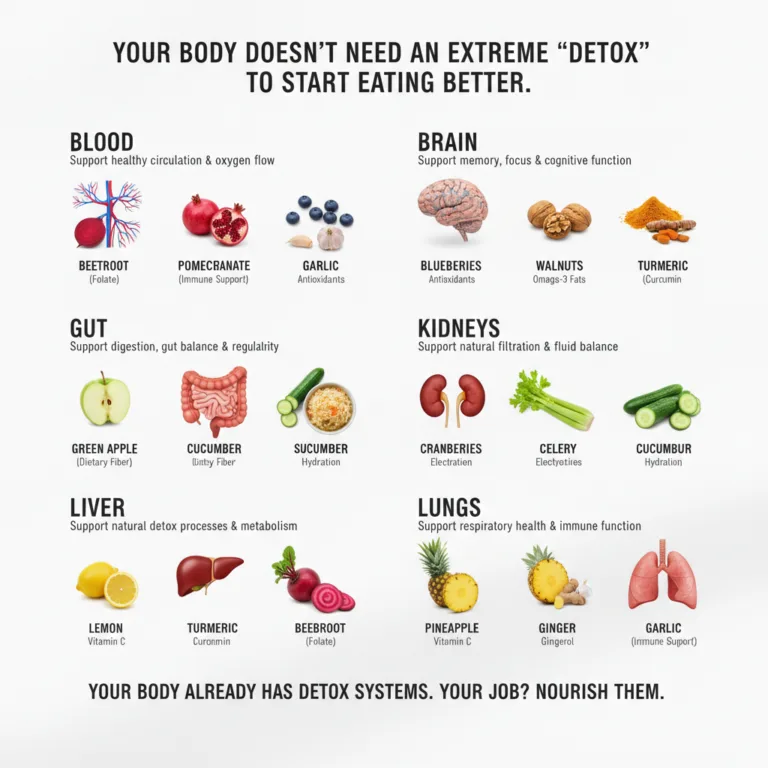
Why Your Body Doesn’t Need an Extreme ‘Detox’
The term ‘detox’ often conjures images of juice fasts, colon cleanses, or strict elimination diets. While these approaches might offer temporary weight loss or a feeling of lightness, they are often unsustainable and can sometimes even be harmful. Your body is equipped with sophisticated systems—primarily your liver and kidneys—that continuously filter out waste products, toxins, and metabolic byproducts.
The real secret to ‘detoxing’ is not to override these systems but to support them. Providing your body with the right nutrients, antioxidants, and hydration empowers these natural processes, allowing them to work efficiently and consistently. This is where focusing on whole, unprocessed foods becomes incredibly powerful.
Nourishing Your Blood: Beets & Pomegranate
Your blood is the body’s transport system, delivering oxygen and nutrients while carrying away waste. Keeping it healthy is crucial for overall vitality.
- Beets: These vibrant root vegetables are packed with nitrates, which convert to nitric oxide in the body. Nitric oxide helps relax and widen blood vessels, improving blood flow and circulation. Beets also contain powerful antioxidants called betalains, which have anti-inflammatory properties and may help protect cells from damage.
- Pomegranate: Bursting with potent antioxidants like punicalagins and ellagic acid, pomegranates can help combat oxidative stress in the blood. They are also known for their anti-inflammatory effects and may contribute to heart health by supporting healthy blood pressure levels and circulation.
How to Incorporate:
Enjoy beets roasted, grated raw into salads, or juiced. Pomegranate seeds are excellent additions to yogurt, oatmeal, or as a crunchy salad topping. You can also enjoy fresh pomegranate juice.
Boosting Brain Health: Blueberries & Turmeric
The brain, our command center, benefits immensely from a diet rich in antioxidants and anti-inflammatory compounds to maintain cognitive function and protect against oxidative damage.
- Blueberries: Often hailed as a superfood, blueberries are rich in anthocyanins, a type of flavonoid antioxidant. These compounds are known to cross the blood-brain barrier and can help improve memory, enhance cognitive function, and protect brain cells from damage caused by free radicals.
- Turmeric: This golden spice contains curcumin, a compound with powerful anti-inflammatory and antioxidant properties. Research suggests that curcumin may support brain health by promoting neurogenesis (the growth of new brain cells) and improving overall brain function, potentially even supporting mood and memory.
How to Incorporate:
Add blueberries to smoothies, oatmeal, or enjoy them as a snack. Turmeric can be used in curries, soups, scrambled eggs, or brewed as a warming tea with a pinch of black pepper (to enhance curcumin absorption).
Supporting Gut Health: Apples & Celery
A healthy gut is foundational to overall wellness, impacting everything from digestion and immunity to mood. Foods rich in fiber and beneficial compounds are key.
- Apples: An apple a day truly can keep the doctor away! Apples are an excellent source of soluble fiber, particularly pectin, which acts as a prebiotic. Pectin nourishes beneficial gut bacteria, promoting a balanced microbiome and aiding in healthy digestion and regularity.
- Celery: With its high water content and combination of soluble and insoluble fiber, celery is fantastic for gut health. It helps to keep things moving smoothly through the digestive tract and contains antioxidants and phytonutrients that can reduce inflammation in the gut.
How to Incorporate:
Snack on whole apples, add sliced apples to salads, or bake them. Celery is great in salads, smoothies, stir-fries, or dipped in hummus.
Caring for Your Kidneys: Lemon & Parsley
Your kidneys are vital filters, removing waste products and excess fluid from your blood to produce urine. Supporting their function is crucial for waste elimination.
- Lemon: The citric acid in lemons is well-known for its ability to help prevent kidney stones by increasing urine volume and pH, creating an environment less favorable for stone formation. Lemons also provide vitamin C and contribute to overall hydration, which is essential for kidney health.
- Parsley: This fresh herb has mild diuretic properties, which can help promote urine flow and assist the kidneys in flushing out excess fluids and waste. Pars Parsley is also rich in antioxidants, including flavonoids like apigenin, which help protect kidney cells.
How to Incorporate:
Add a squeeze of lemon to your water throughout the day. Parsley can be chopped and added to salads, soups, sauces, or used as a garnish.
Optimizing Liver Function: Grapefruit & Broccoli
The liver is your body’s primary detoxification organ, performing hundreds of functions, including metabolizing nutrients and neutralizing harmful substances. Giving it the right support is paramount.
- Grapefruit: This citrus fruit contains powerful antioxidants like naringenin and vitamin C, which can help protect liver cells from damage. Grapefruit also contains enzymes that support the liver’s natural detoxification pathways, aiding in the breakdown and elimination of toxins.
- Broccoli: As part of the cruciferous vegetable family, broccoli is a superstar for liver health. It contains glucosinolates, which the body converts into compounds like sulforaphane and indole-3-carbinol (I3C). These compounds are potent activators of the liver’s Phase I and Phase II detoxification enzymes, significantly enhancing its ability to process and excrete toxins.
How to Incorporate:
Enjoy grapefruit segments for breakfast, or add them to salads. Broccoli is versatile—steam it, roast it, or add it to stir-fries and pasta dishes.
Maintaining Lung Wellness: Eucalyptus & Peppermint
While often overlooked in dietary discussions, certain plant compounds can contribute to respiratory comfort and health, especially when consumed as teas or used in aromatherapy.
- Eucalyptus: While not typically eaten as a food, eucalyptus leaves are often brewed into teas or used in essential oil form (for inhalation) due to their main component, eucalyptol (cineole). This compound is known for its expectorant properties, which can help to clear airways and soothe respiratory passages, contributing to lung comfort.
- Peppermint: Like eucalyptus, peppermint is valued for its aromatic compounds, particularly menthol. Peppermint tea is a popular choice for soothing sore throats and helping to open airways, providing a sense of clearer breathing. Menthol has decongestant properties that can help reduce nasal congestion and ease breathing.
How to Incorporate:
Enjoy eucalyptus and peppermint in herbal teas. Peppermint leaves can also be added to water for a refreshing drink or used in small amounts in desserts.
Simple Ways to Incorporate These Foods Into Your Diet
Making these foods a regular part of your diet doesn’t have to be complicated. Here are a few simple strategies:
- Start Your Day Right: Add blueberries to your oatmeal or smoothie. Enjoy grapefruit as a morning snack.
- Hydrate with a Twist: Infuse your water with lemon slices and fresh parsley.
- Salad Power: Incorporate shredded beets, chopped celery, and apple slices into your daily salad.
- Snack Smart: Keep a bowl of apples and blueberries handy.
- Spice It Up: Use turmeric generously in cooking.
- Veggie Boost: Make roasted broccoli a regular side dish.
- Tea Time: Swap out sugary drinks for herbal teas featuring peppermint or eucalyptus.
Frequently Asked Questions (FAQs)
Do I need to do a juice cleanse to detox?
No, your body is well-equipped for detoxification through its organs. Focusing on a balanced diet rich in whole foods is more effective and sustainable than restrictive juice cleanses.
Can these foods help with weight loss?
While these foods aren’t magic weight loss solutions, their high fiber content, essential nutrients, and ability to support metabolism can contribute to a healthy weight management plan when part of a balanced diet.
Are there any side effects to eating too many of these foods?
Generally, these whole foods are safe and beneficial in typical dietary amounts. However, excessive consumption of any single food can lead to imbalances. For example, large amounts of beets might temporarily change urine color. Always listen to your body and maintain a varied diet.
Final Thoughts
Your body is a powerful, self-cleaning machine that doesn’t need an extreme ‘detox’ to thrive. By consciously choosing everyday foods like beets, blueberries, apples, lemons, grapefruit, and peppermint, you provide essential support to your natural cleansing systems. Embrace a lifestyle of nourishing eating, stay hydrated, and trust in your body’s incredible ability to maintain balance and health. These simple dietary choices are the foundation of sustained wellness, making a significant difference in how you look and feel every day.
Medical Disclaimer
The information provided in this article is for educational purposes only and is not intended as medical advice. Always consult with a qualified healthcare professional before making any changes to your diet or health regimen, especially if you have existing health conditions or are pregnant.