Have you ever noticed how some foods bear a striking resemblance to parts of the human body? From walnuts that look like tiny brains to kidney beans shaped just like their namesake organ, these visual similarities are often intriguing. For centuries, folklore and traditional beliefs have suggested that these foods might offer specific healing properties for the body parts they mimic. But is there any truth to this fascinating coincidence, or is it merely a trick of nature?
At Glowra Health, we believe in shedding light on nutritional facts and debunking common myths. While some foods indeed offer incredible benefits to certain organs, the link isn’t always as straightforward as their appearance might suggest. In this article, we’ll dive into the real nutritional power behind some of these visually similar foods, revealing what they truly offer your body, backed by science.
Walnuts: The Brain’s Nutritional Twin
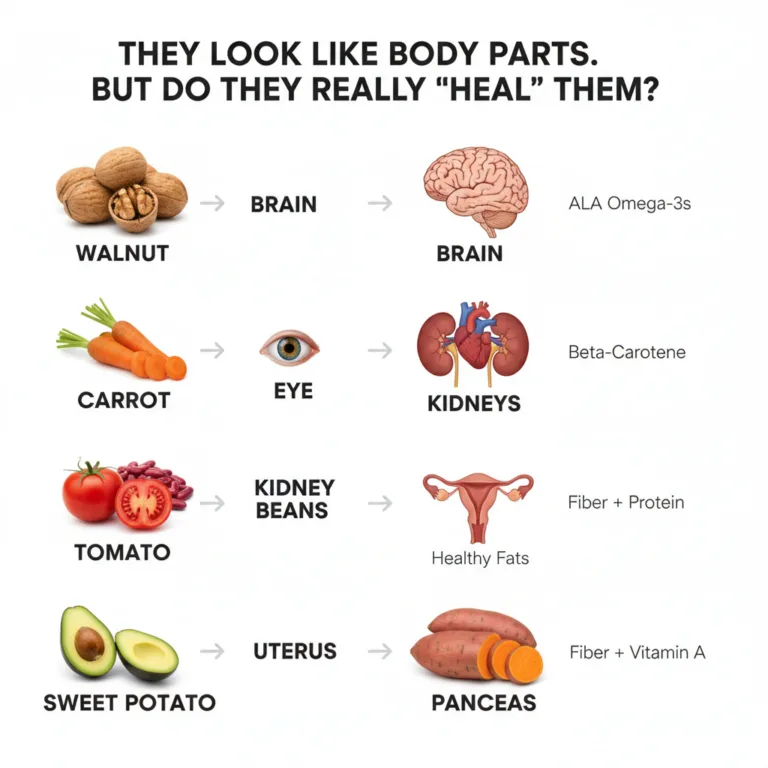
Walnuts are perhaps the most famous example of a food resembling a body part—their convoluted shape mirrors the human brain remarkably well. This visual likeness has long sparked speculation about their potential to boost brain health. Interestingly, in this case, the folk wisdom aligns closely with modern nutritional science.
Why Walnuts Are Good for Your Brain
Walnuts are an exceptional source of ALA Omega-3 fatty acids (alpha-linolenic acid). These essential fatty acids are crucial for brain function and development. ALA Omega-3s play a vital role in reducing oxidative stress and inflammation, both of which can impact cognitive health. Regular consumption of walnuts has been associated with improved memory, cognitive performance, and protection against age-related cognitive decline.
Adding a handful of walnuts to your daily diet, whether in oatmeal, salads, or as a snack, is a delicious way to nourish your brain.
Carrots: More Than Meets the Eye for Your Kidneys
The sliced cross-section of a carrot often reveals a pattern that looks surprisingly like the pupil and iris of an eye. This visual cue has led many to believe that carrots are primarily for eye health. While carrots certainly benefit your vision (thanks to beta-carotene, which converts to Vitamin A), the infographic highlights a less commonly known, yet equally important, benefit: their positive impact on kidney health.
The Beta-Carotene Boost for Your Kidneys
Carrots are rich in beta-carotene, a powerful antioxidant that gives them their vibrant orange color. While beta-carotene is essential for eye health by supporting vision, it also plays a significant role in promoting kidney function. Antioxidants like beta-carotene help protect kidney cells from damage caused by free radicals, contributing to overall kidney health. A diet rich in fruits and vegetables, including carrots, supports healthy organ function throughout the body, including the kidneys.
Kidney Beans: A Hearty Boost for Uterine Health
It’s no surprise that kidney beans are named for their striking resemblance to human kidneys. This visual connection is undeniable. However, the infographic reveals that despite their name and shape, kidney beans offer significant nutritional benefits for another vital organ: the uterus.
Fiber and Protein for Reproductive Wellness
Kidney beans are packed with fiber and protein, two nutrients that are incredibly beneficial for uterine health and overall reproductive wellness. Fiber helps regulate hormone levels and can reduce the risk of fibroids and other uterine issues. It also supports digestive health, which indirectly impacts hormonal balance. Protein is essential for tissue repair and growth, including the healthy functioning of the uterus. Incorporating kidney beans into your diet can be a great way to support your reproductive system, as well as providing sustained energy and satiety.
Avocado: Pancreatic Powerhouse, Not Just for the Uterus
Many find the shape of an avocado, especially when cut in half with its central pit, to resemble the uterus. While this visual connection is interesting, the infographic directs our attention to where avocados truly shine nutritionally: supporting the pancreas.
Healthy Fats for Pancreatic Support
Avocados are celebrated for their abundance of healthy monounsaturated fats. These fats are crucial for pancreatic health, as the pancreas plays a key role in digestion and blood sugar regulation. Healthy fats can help reduce inflammation and support the efficient functioning of pancreatic cells. Furthermore, avocados provide a range of vitamins and minerals that contribute to overall metabolic health, indirectly benefiting the pancreas. Enjoy avocados in salads, smoothies, or as a creamy spread to leverage their full nutritional potential.
Sweet Potato: Sweet Benefits for Your Pancreas
The elongated shape of a sweet potato sometimes draws comparisons to the pancreas. In this instance, the visual resemblance actually aligns with the key organ that benefits from this delicious root vegetable.
Fiber and Vitamin A for Pancreatic Wellness
Sweet potatoes are an excellent source of dietary fiber and Vitamin A. Fiber is crucial for stabilizing blood sugar levels, which is directly managed by the pancreas’s insulin production. A steady release of glucose helps reduce the strain on the pancreas. Additionally, Vitamin A, an antioxidant, helps protect the pancreas from oxidative damage and inflammation. Incorporating sweet potatoes into your meals provides a nutritious and naturally sweet way to support your pancreatic health and overall well-being.
Do These Foods Really Heal? Understanding the Nuance
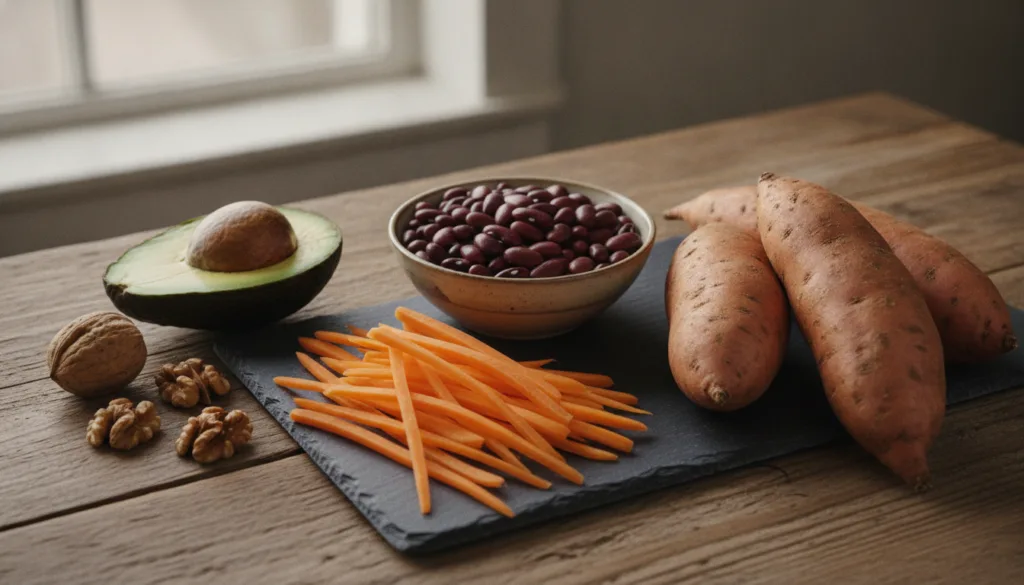
The concept that a food ‘heals’ a specific body part merely because it resembles it is largely a myth. However, as we’ve explored, many of these foods do offer targeted nutritional benefits to those organs, or other organs, due to their unique composition of vitamins, minerals, and antioxidants. The key takeaway is to appreciate the actual science behind their benefits, rather than relying solely on visual cues.
Key Takeaways for a Healthy Diet:
- **Focus on Nutrients, Not Just Looks:** Understand the specific vitamins, minerals, and compounds in foods that support different body functions.
- **Embrace Variety:** A diverse diet ensures you get a wide range of nutrients necessary for all your organs.
- **Whole Foods First:** Prioritize whole, unprocessed foods to maximize nutritional intake.
- **Listen to Science:** Always seek out evidence-based information for health and nutrition advice.
Final Thoughts
The visual coincidences between certain foods and human body parts are undeniably captivating. While they make for interesting stories and a fun way to remember some healthy options, the real power of these foods lies in their scientifically proven nutritional content. Walnuts, carrots, kidney beans, avocados, and sweet potatoes are all valuable additions to a balanced diet, offering targeted support for your brain, kidneys, uterus, and pancreas, among other systems.
Remember, a holistic approach to wellness, combining nutrient-rich foods with an active lifestyle, is the most effective path to optimal health. So, enjoy these fascinating foods, not just for their curious resemblances, but for the genuine health benefits they bring to your entire body.
Medical Disclaimer
The information provided in this article is for general informational purposes only and does not constitute medical advice. Always consult with a qualified healthcare professional before making any decisions about your health or diet, especially if you have a medical condition.