Are you wondering where vitamin B12 actually comes from? Often overshadowed by other vitamins, B12 plays an important role in your body’s essential functions, from energy production to nerve health. While supplements are a common way to ensure adequate intake, many powerful natural sources can help you meet your daily needs.
This comprehensive guide dives into the natural food sources of Vitamin B12, revealing how you can easily incorporate them into your diet. We’ll explore everything from nutrient-dense meats to everyday dairy products, ensuring you have all the information to make informed dietary choices.
Get ready to uncover the natural powerhouses of B12 and learn how to optimize your intake for better health!
The Essential Role of Vitamin B12 in Your Body
Vitamin B12, also known as cobalamin, is a crucial nutrient that supports numerous vital processes in your body. It is indispensable for:
- Red Blood Cell Formation: B12 is key to producing healthy red blood cells, which carry oxygen throughout your body. A deficiency can lead to megaloblastic anemia, causing fatigue and weakness.
- Nerve Function: It helps maintain the myelin sheath, a protective layer around nerves, ensuring proper nerve communication and preventing neurological issues.
- DNA Synthesis: B12 plays a critical role in the synthesis of DNA, the genetic material in all cells.
- Energy Production: While not a direct energy source, B12 is essential for converting food into usable energy, helping to combat fatigue.
Given its widespread impact, ensuring sufficient B12 intake is fundamental for overall well-being.
Top Natural Food Sources of Vitamin B12
Contrary to popular belief, Vitamin B12 is not naturally found in plants. Its primary sources are animal products. Here’s a breakdown of the best natural providers:
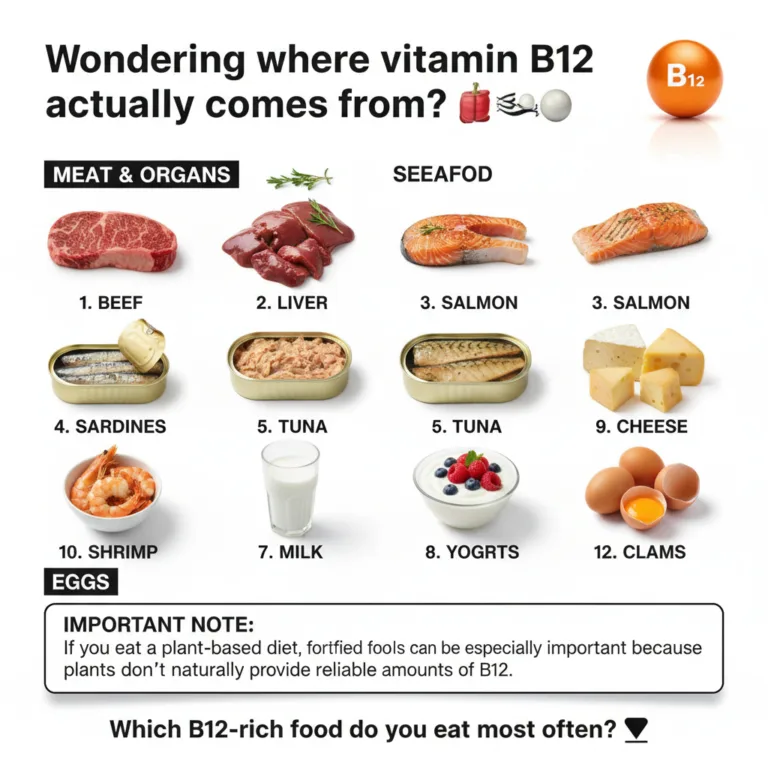
Meat & Organs: Potent B12 Providers
When it comes to concentrated B12, meat and organ meats are at the top of the list.
- Beef Liver: Often considered a superfood, beef liver is incredibly rich in Vitamin B12, providing significantly more than muscle meat. Just a small serving can meet and even exceed your daily requirements.
- Beef: A staple in many diets, beef is an excellent source of B12, particularly cuts like sirloin and chuck.
- Chicken: While not as high as red meat or liver, chicken still contributes a good amount of Vitamin B12 to your diet, making it a versatile option.
Seafood: An Ocean of B12
The bounty of the sea offers some of the most delicious and beneficial sources of B12.
- Salmon: This fatty fish is not only celebrated for its omega-3s but also for its substantial B12 content. Wild-caught salmon often has higher levels.
- Canned Tuna: A convenient and affordable option, canned tuna is a reliable source of B12. It’s perfect for quick meals or adding to salads.
Dairy: Everyday B12 Boosts
For those who consume dairy, these products offer an accessible way to increase B12 intake.
- Milk: A glass of milk provides a notable amount of B12, making it an easy addition to breakfasts or snacks.
- Yogurt: Fermented dairy products like yogurt also contain B12, along with beneficial probiotics for gut health.
Eggs: Small but Mighty
Often hailed for their protein, eggs also contribute to your B12 intake.
- Eggs: The yolk of an egg contains Vitamin B12, making eggs a valuable part of a balanced breakfast or meal.
Important Considerations for Plant-Based Diets
For individuals following strict plant-based diets (vegan or vegetarian), obtaining sufficient Vitamin B12 can be a challenge. Since B12 is predominantly found in animal products, plant-based eaters must pay special attention to their intake.
The