In the quest for convenient and nutritious breakfasts, blended oats have surged in popularity, offering a smooth, drinkable alternative to traditional oatmeal. But how does this modern preparation truly stack up against the classic goodness of whole oats? Many wonder if the simple act of blending impacts more than just the texture. This article delves into the core differences between blended and whole oats, exploring their nutritional profiles, how they affect your body, and which option might be best for your lifestyle.
We’ll move beyond the obvious textural variations to uncover the deeper implications for your digestion, satiety, and overall health, helping you make an informed choice for your morning routine.
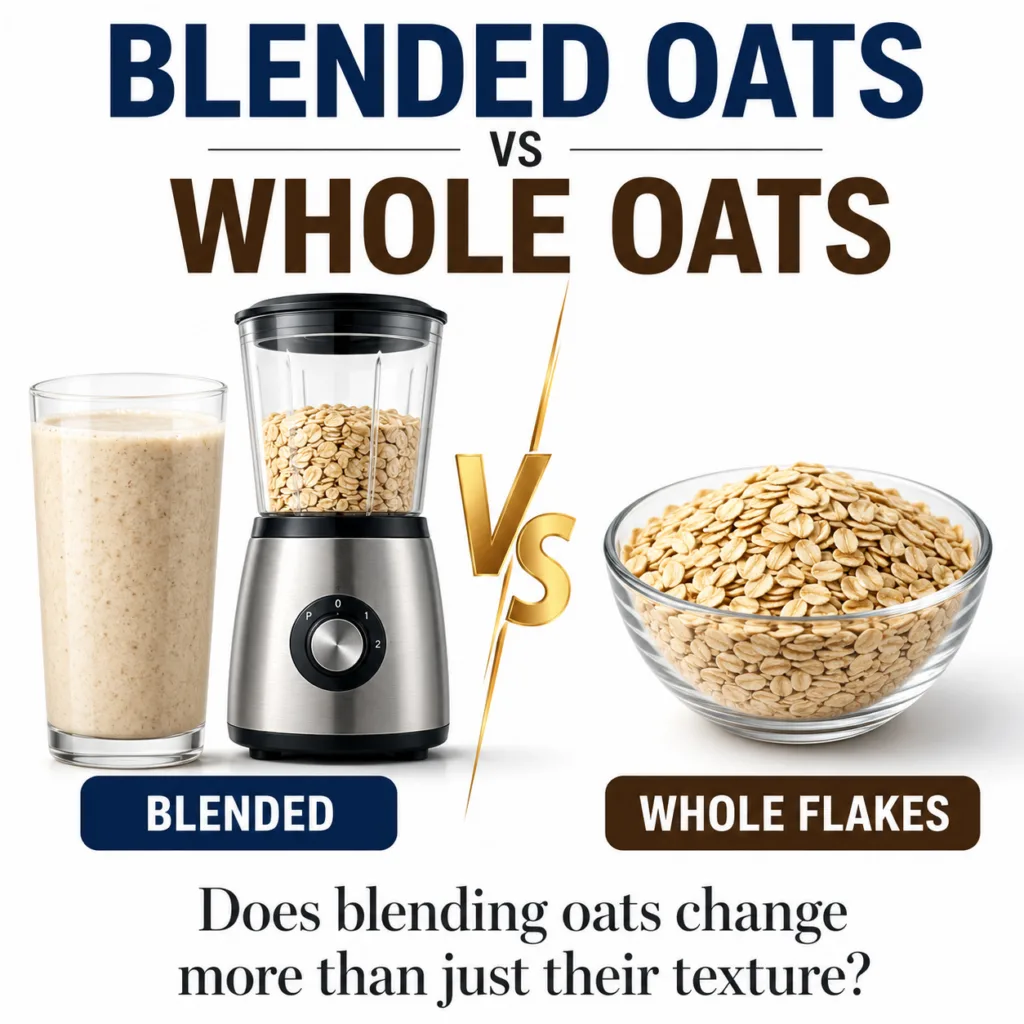 Understanding the visual differences between blended and whole oats.
Blended Oats: Convenience and Smoothness
Blended oats, often found in smoothies or “overnight oat” drinks, offer unparalleled convenience. They’re quick to prepare, easy to consume on the go, and provide a creamy texture that many find appealing. The process of blending oats involves breaking down the whole oat flakes into a finer, more liquid consistency, which fundamentally alters their physical structure.
The Appeal of Blended Oat Drinks
For those with busy mornings or who prefer a drinkable breakfast, blended oats are an excellent choice. They can be combined with fruits, protein powders, nuts, and seeds to create a complete and customizable meal. This method often makes it easier to consume a substantial amount of oats without feeling “heavy,” contributing to quick energy delivery.
Whole Oats: Texture and Traditional Goodness
Whole oats, whether rolled, steel-cut, or quick-cooking, retain their original flake or groat form. This means they require cooking or soaking to become palatable, typically resulting in a chewy, hearty texture. Traditional oatmeal, overnight oats (unblended), and oat porridges are common ways to enjoy whole oats.
Embracing the Natural Texture of Whole Flakes
The distinct texture of whole oat flakes contributes to a more tactile eating experience. This traditional form of oats has been a breakfast staple for centuries, valued for its simplicity and the sustained energy it provides. The chewing and digestion process for whole oats is generally longer compared to their blended counterparts.
Beyond Texture: The Nutritional Truth Behind Blending Oats
The central question isn’t just about how oats feel in your mouth, but how blending might affect their nutritional impact. While the fundamental nutrient composition – calories, protein, fats, vitamins, and minerals – largely remains the same, the way your body processes these nutrients can indeed change.
Fiber Content: The Unsung Hero
Oats are renowned for their soluble fiber, particularly beta-glucan, which is beneficial for heart health and blood sugar regulation. When you blend oats, the mechanical action breaks down the cellular structure of the flakes. While the fiber is still present, its physical form is altered. This can affect how quickly it’s digested.
- Whole Oats: The intact fiber in whole oats creates a more viscous gel in the digestive tract, slowing down digestion and nutrient absorption. This promotes a feeling of fullness and sustained energy.
- Blended Oats: The broken-down fiber in blended oats may not create the same level of viscosity, potentially leading to faster digestion. While still healthy, the “slow-release” effect can be diminished.
Glycemic Index and Satiety
The Glycemic Index (GI) measures how quickly a food raises blood sugar. Foods with a lower GI lead to a more gradual rise in blood sugar, promoting stable energy levels and prolonged satiety. The structural integrity of whole oats contributes to a lower GI.
- Whole Oats: Due to their intact structure, whole oats take longer for digestive enzymes to break down, resulting in a slower release of glucose into the bloodstream and a generally lower GI. This helps keep you feeling fuller for longer.
- Blended Oats: By breaking down the oats, blending essentially “pre-digests” them. This can lead to faster digestion and a potentially higher glycemic response compared to whole oats, especially if consumed without other fiber-rich ingredients or protein. The feeling of satiety might also be less pronounced or shorter-lived.
Nutrient Absorption
While some argue blending can make certain nutrients more accessible, the primary nutritional concern with blending, particularly regarding oats, revolves around the rate of digestion and its impact on blood sugar and satiety rather than a significant change in overall nutrient absorption. The essential vitamins and minerals remain, but their delivery mechanism to your body shifts.
Making the Best Choice for You: Blended vs. Whole Oats
Ultimately, both blended oats and whole oats are nutritious choices. The “better” option depends on your personal health goals, lifestyle, and preferences.
When to Choose Blended Oats
- On-the-Go Convenience: Perfect for a quick, portable breakfast.
- Smooth Texture Preference: If you dislike the chewiness of traditional oatmeal.
- Pre-Workout Fuel: Faster digestion can provide quicker energy before exercise.
- Mixing with Supplements: Easily incorporate protein powders, spirulina, or other supplements.
When to Stick with Whole Oats
- Sustained Energy: Ideal for keeping hunger at bay throughout the morning.
- Blood Sugar Management: The slower digestion may be more beneficial for stable blood glucose levels.
- Gut Health: The intact fiber promotes healthy digestion and bowel regularity more robustly.
- Traditional Enjoyment: For those who appreciate the hearty, chewy texture of classic oatmeal.
Creative Ways to Enjoy Both
Whether you prefer them blended or whole, oats are versatile. Here are a couple of ideas to enjoy their nutritional benefits.
Blended Oat Smoothie Idea
Servings: 1
Prep time: 5 minutes
Ingredients:
- 1/2 cup rolled oats
- 1 cup unsweetened almond milk (or milk of choice)
- 1 ripe banana
- 1 tablespoon chia seeds
- 1/2 teaspoon vanilla extract
- Optional: 1 scoop protein powder, handful of spinach, drizzle of honey or maple syrup
Instructions:
- Combine all ingredients in a high-speed blender.
- Blend until completely smooth and creamy.
- Pour into a glass and enjoy immediately.
Classic Whole Oat Porridge
Servings: 1
Prep time: 2 minutes
Cook time: 5-7 minutes
Ingredients:
- 1/2 cup rolled oats
- 1 cup water or milk (dairy or non-dairy)
- Pinch of salt
- Optional toppings: fresh fruit, nuts, seeds, cinnamon, a drizzle of honey or maple syrup
Instructions:
- Combine oats, water or milk, and a pinch of salt in a small saucepan.
- Bring to a boil over medium heat, then reduce heat to low and simmer for 5-7 minutes, stirring occasionally, until oats are creamy and liquid is absorbed.
- Remove from heat, cover, and let stand for 2 minutes.
- Spoon into a bowl and add your favorite toppings.