After a minor burn, careful and gentle skincare can make a significant difference in how your skin feels and looks during recovery. This guide provides simple, practical steps to help soothe your skin and support a clean, calm appearance.
Quick Guide
Prep time: 5 minutes (for initial care)
Best for: Minor burns (first-degree burns, small second-degree burns without broken skin)
Use type: Skincare routine/guide
Main steps:
- Cool the burn immediately
- Cleanse gently
- Soothe and protect
What You’ll Need
- Cool (not cold) running water
- Mild, fragrance-free soap or cleanser (optional, for cleaning if necessary)
- Aloe vera gel or a gentle, fragrance-free moisturizer
- Non-stick sterile bandage or clean gauze
How to Care for Minor Burns
These initial steps are crucial for managing a minor burn and promoting comfort.
-
Cool the Burn Immediately
As soon as possible, hold the burned area under cool (not cold or icy) running water for at least 10-20 minutes. This helps reduce pain, swelling, and further skin damage. Avoid using ice directly on the burn, as it can cause further injury.
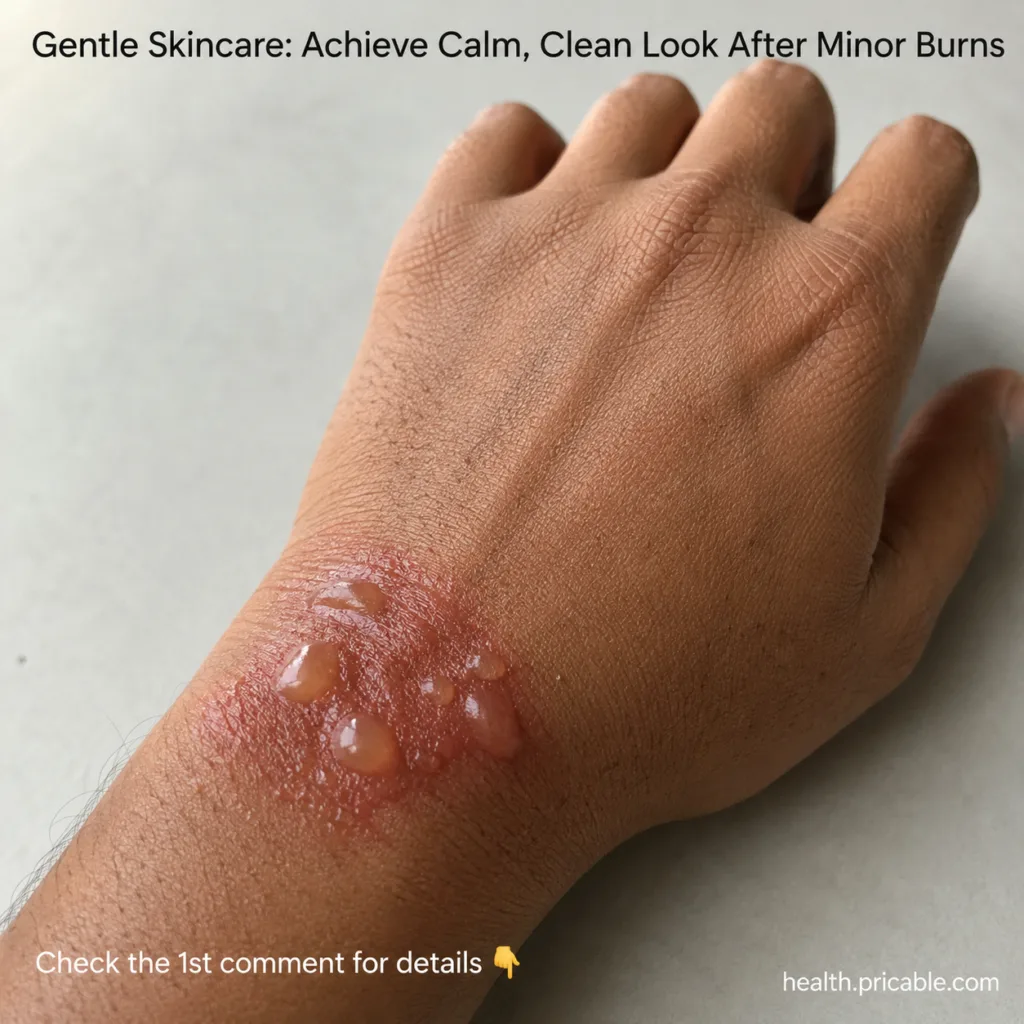
Immediately cool a minor burn under running water. -
Gently Cleanse the Area (If Needed)
If the burn area is dirty, you can gently wash it with mild, fragrance-free soap and cool water. Pat dry very carefully with a clean, soft cloth. Do not rub or apply harsh pressure.
-
Apply a Soothing Agent
Once the skin is dry, apply a thin layer of aloe vera gel or a gentle, fragrance-free moisturizer. Aloe vera is known for its soothing properties, while moisturizers help keep the skin hydrated and support its natural barrier function.
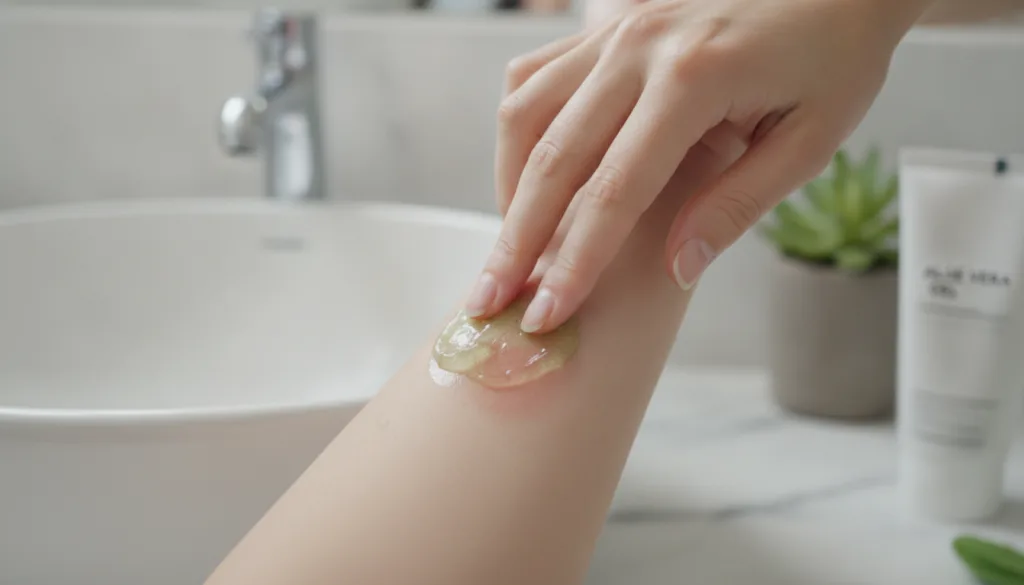
Aloe vera can help soothe the skin. -
Cover the Burn Lightly
If the burn is likely to be rubbed or irritated, cover it with a non-stick sterile bandage or clean gauze. This helps protect the sensitive skin from infection and further damage. Do not wrap it too tightly.
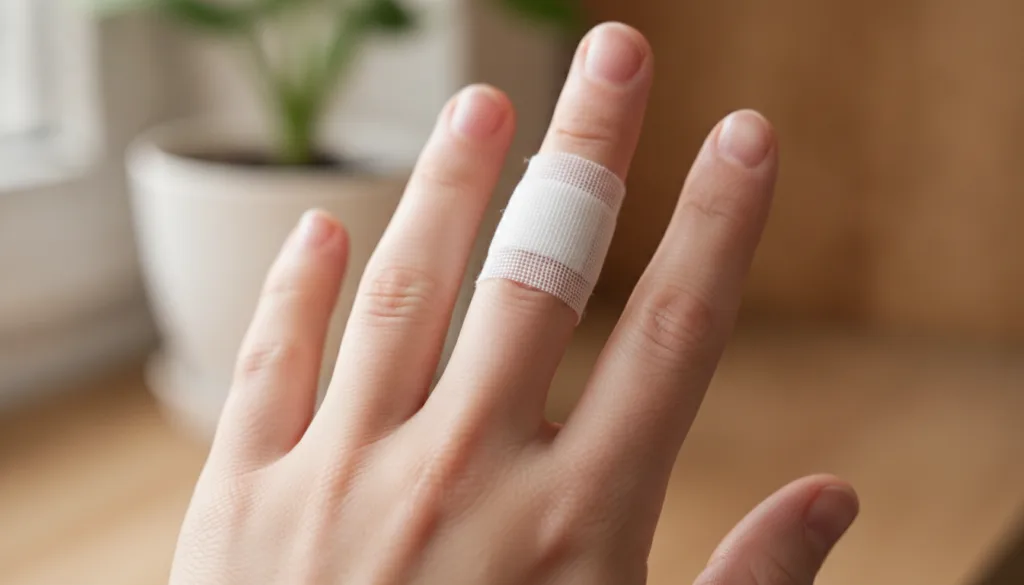
Protect minor burns with a light, non-stick dressing.
Ongoing Care and Protection
Continued gentle care is essential for healing and preventing complications.
-
Keep the Area Clean
Wash the burned area gently once or twice a day with mild soap and cool water, then pat dry. This helps prevent infection and removes any loose skin.
-
Reapply Soothing Agents and Dressings
Continue to apply aloe vera or moisturizer as needed to keep the skin hydrated and comfortable. Change dressings if they become wet or dirty, or at least once a day, using fresh non-stick materials.
-
Protect from Sun Exposure
Healing skin is very sensitive to the sun. Keep the burn protected from direct sunlight by covering it with clothing or a bandage, or by applying a broad-spectrum sunscreen once the skin has fully closed and is no longer raw.
How Often to Use It
Initial cooling should be done immediately after the burn occurs. Ongoing care, including cleaning, moisturizing, and reapplying dressings, should be performed once or twice daily or as needed until the skin has fully healed, which typically takes a few days to a few weeks for minor burns.
Why These Steps Work
Cooling
Immediately cooling the burn helps to dissipate heat, reduce pain and swelling, and can limit the depth of the burn, promoting faster healing.
Gentle Cleansing
Regular, gentle cleaning removes dirt and bacteria, which is crucial for preventing infection and supporting a clean healing environment.
Soothing & Moisturizing
Aloe vera and moisturizers provide immediate relief from discomfort, help to maintain the skin’s hydration levels, and support the skin’s natural barrier as it repairs itself.
Protection
Covering the burn shields the fragile skin from external irritants, bacteria, and friction, creating an optimal environment for recovery.
What Results to Expect
By following these gentle skincare steps, you can expect reduced discomfort and redness. Your skin may feel calmer and softer, and these practices can support a clean-looking healing process. Consistent care may also help minimize the appearance of any potential scarring, leading to a smoother, healthier-looking complexion post-recovery.
Safety Notes
- Do not use ice, butter, or harsh chemicals: These can worsen the burn or cause further damage.
- Do not break blisters: If blisters form, leave them intact. Breaking them can increase the risk of infection.
- Seek medical advice for severe burns: This guide is for minor, first-degree, or small, superficial second-degree burns. If a burn is larger than 3 inches in diameter, on the face, hands, feet, or genitals, deep, causing significant pain, blistering extensively, or shows signs of infection (pus, increasing redness, fever), seek immediate medical attention.
- Stop using if discomfort occurs: If any product or step causes increased pain, redness, or irritation, discontinue use and consult a healthcare professional.
- Patch test any new product: If using a new moisturizer or aloe vera product, test a small amount on an unburned area of skin first to check for sensitivity.
FAQ
Can I use ice on a minor burn?
No, avoid using ice directly on a burn. While cold, it can cause vasoconstriction, further damaging the skin and potentially leading to frostbite. Cool, running water is the safest and most effective way to cool a burn.
When should I see a doctor for a burn?
You should see a doctor if the burn is larger than your palm, appears deep (third-degree), is on a major joint, face, hands, feet, or genitals, is blistering extensively, causes extreme pain, or shows any signs of infection like pus, increased swelling, or fever.
What should I avoid putting on a burn?
Avoid applying butter, oils (like cooking oil or coconut oil), toothpaste, or any unproven home remedies. These can trap heat, introduce bacteria, and worsen the burn. Stick to clean, soothing agents like aloe vera or gentle moisturizers.
Final Thoughts
Caring for a minor burn thoughtfully can help your skin recover beautifully and comfortably. Remember, gentle care is key, and knowing when to seek professional medical advice ensures the best outcome for your skin. Keep these simple steps in mind for a calm and clean healing process.