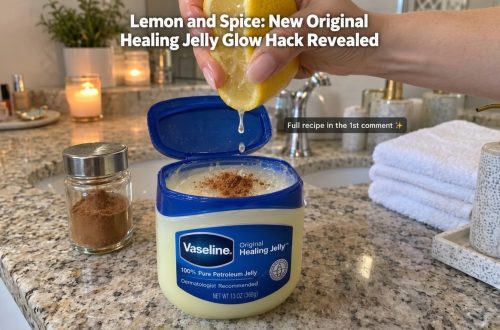
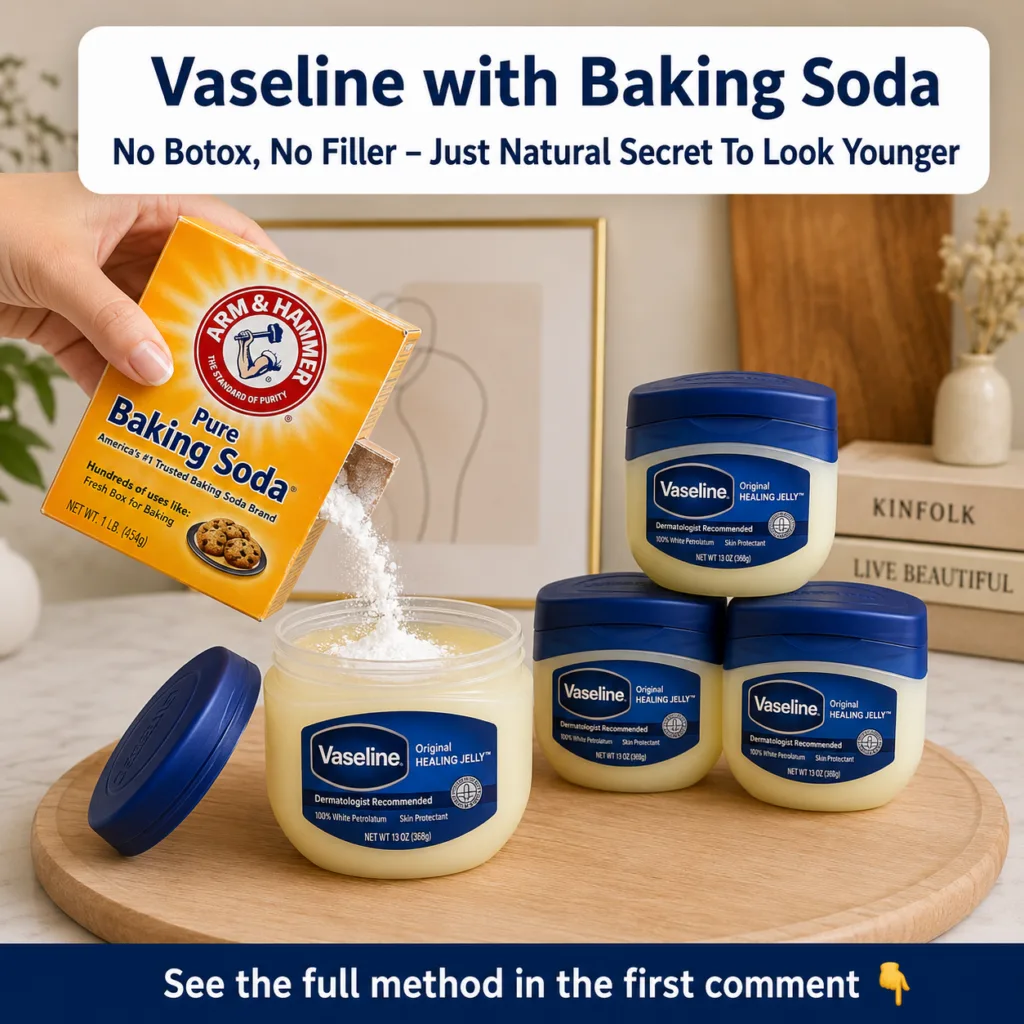
Are you on the lookout for simple, natural beauty solutions that promise a glowing complexion? A fascinating DIY beauty hack has been making waves online, capturing the attention of many who are seeking smoother, more radiant-looking skin. This viral trend combines two common household ingredients – Vaseline and baking soda – and people are trying it for an affordable way to potentially achieve that coveted smooth feel.
At ‘BEAUTY 2’, we love exploring popular beauty routines and natural ingredient combinations. While this hack is gaining traction, it’s always important to understand how these ingredients work and how to use them wisely. Let’s dive into what makes this combination so popular and how you can approach it safely!
Understanding the Key Ingredients
Vaseline (Petroleum Jelly)
- What it is: Vaseline is a petroleum jelly product widely known for its occlusive properties. This means it creates a protective barrier on the skin.
- What it does: It helps to lock in moisture, prevent water loss, and protect the skin from environmental elements. It’s often used to soothe dry, chapped skin and support the skin’s natural healing process. For this hack, its emollient properties are believed to help soften the skin.
Baking Soda (Sodium Bicarbonate)
- What it is: A common household item, baking soda is a mild abrasive and an alkaline substance.
- What it does: In beauty, it’s often used as a gentle exfoliant. Its fine granular texture can help to buff away dead skin cells, potentially revealing smoother skin underneath. Its alkaline nature is also sometimes utilized to help balance skin pH, though caution is needed as it can be too alkaline for some skin types.
The Viral Vaseline & Baking Soda Method
Here’s how people are preparing and using this popular DIY mixture. Remember, it’s crucial to perform a patch test first!
What You’ll Need:
- 1 teaspoon of Vaseline
- 1 teaspoon of baking soda
- A small, clean bowl
- A clean spatula or spoon for mixing
Step-by-Step Guide:
- Combine Ingredients: In your small, clean bowl, mix one teaspoon of Vaseline with one teaspoon of baking soda.
- Mix Thoroughly: Stir until you achieve a smooth, paste-like consistency. Ensure there are no large lumps of baking soda.
- Perform a Patch Test: Before applying to your face, apply a tiny amount of the mixture to a small, inconspicuous area of your skin (like behind your ear or on your inner arm). Wait 24 hours to check for any redness, irritation, or adverse reactions. If your skin reacts negatively, do not proceed with facial application.
- Apply to Clean Skin: If the patch test is clear, gently apply a thin layer of the mixture to clean, damp skin on your face. Avoid the delicate eye area and lips.
- Massage Gently: Using soft, circular motions, gently massage the mixture into your skin for about 30-60 seconds. The baking soda provides the exfoliating action, while Vaseline helps it glide smoothly.
- Rinse Thoroughly: Rinse your face completely with lukewarm water. Ensure all traces of the mixture are removed.
- Moisturize: Follow up with your favorite hydrating moisturizer to soothe and nourish your skin.
Potential Benefits People Are Trying To Achieve
Those who advocate for this hack often report the following observations:
- Smoother-Looking Skin: The gentle exfoliation from baking soda, combined with the softening effect of Vaseline, may leave the skin feeling noticeably smoother.
- More Radiant Complexion: By removing dead skin cells, the hack aims to reveal a fresher, brighter-looking layer of skin.
- Softened Texture: Users suggest that the occlusive nature of Vaseline helps to soften the skin’s texture over time, complementing the exfoliation.
Important Considerations Before You Try This
While this hack sounds promising, it’s essential to approach it with caution, especially given baking soda’s alkaline nature, which can sometimes be irritating to sensitive skin.
- Patch Test is Non-Negotiable: Always, always perform a patch test as described above. Your skin’s reaction is unique.
- Skin Type Matters: This hack is generally not recommended for very sensitive, dry, or acne-prone skin, as baking soda can disrupt the skin’s natural pH balance and potentially cause irritation or exacerbate existing conditions.
- Frequency is Key: If you decide to try this and your skin tolerates it, use it very sparingly – perhaps once every 1-2 weeks at most. Over-exfoliation can damage your skin barrier.
- Gentle Application: Be extremely gentle when massaging. Harsh scrubbing can cause micro-tears in the skin.
- Moisturize Afterwards: Always follow up with a good moisturizer to rehydrate and support your skin barrier.
- Sun Protection: Exfoliated skin can be more sensitive to the sun. Always wear a broad-spectrum sunscreen, especially after using exfoliating treatments.
- Listen to Your Skin: If you experience any redness, burning, stinging, or discomfort, rinse immediately and discontinue use.
The ‘Vaseline & Baking Soda’ hack is an interesting example of how people are getting creative with everyday ingredients for beauty. While many find it beneficial for achieving smoother skin, it’s vital to prioritize your skin’s health and safety by understanding the ingredients and performing patch tests. As always, for persistent skin concerns, consulting a dermatologist is the best course of action. Stay beautiful and informed, ‘BEAUTY 2’ family!