Ready to power up your plate? Protein is a fundamental nutrient, essential for building and repairing tissues, making enzymes and hormones, and supporting overall health. Whether you’re an athlete, looking to manage your weight, or simply aiming for a healthier lifestyle, incorporating enough protein into your diet is key.
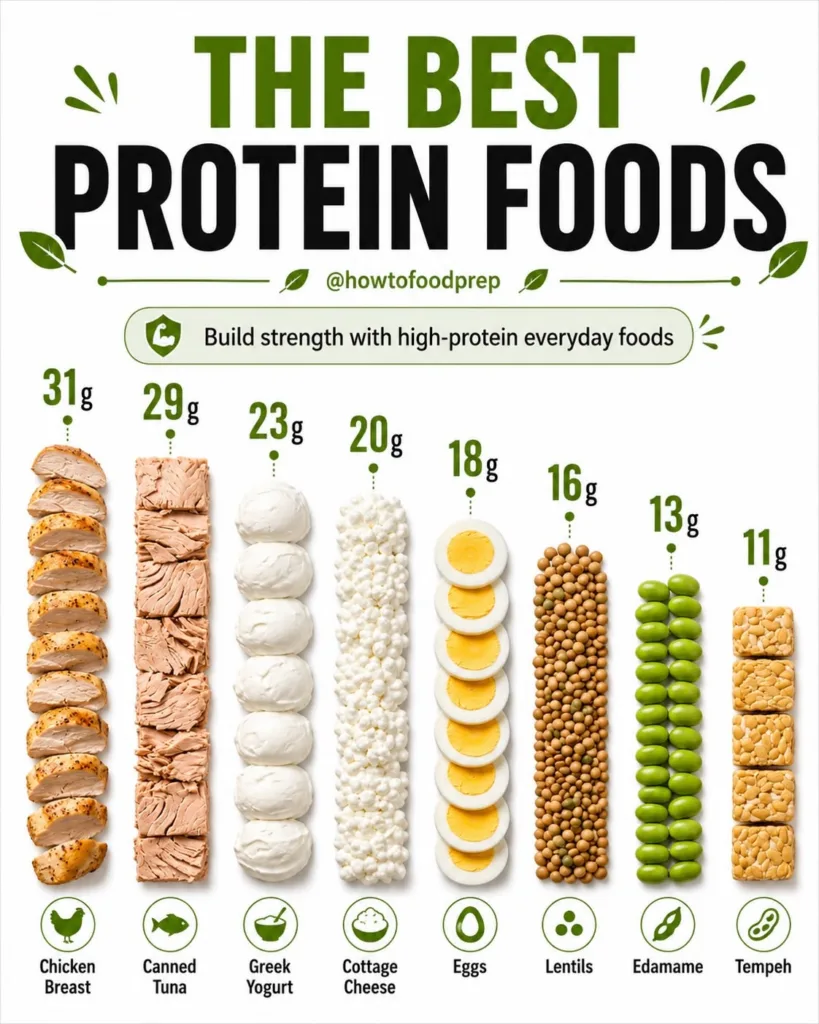
This guide highlights some of the best protein powerhouses, providing you with a clear chart to help you choose your favorites and integrate them seamlessly into your meals. You’ll learn about their nutritional benefits, how they compare, and practical tips for enjoying them.
Let’s dive into these incredible protein sources!
Why Protein Matters for Your Body
Protein is often called the building block of life, and for good reason. It’s involved in countless bodily functions:
- Muscle Growth and Repair: Essential for repairing muscle tissues after exercise and building new muscle mass.
- Satiety and Weight Management: Protein helps you feel fuller for longer, which can reduce overall calorie intake and support weight loss or maintenance.
- Bone Health: Adequate protein intake is associated with maintaining bone density as we age.
- Hormone and Enzyme Production: Proteins are crucial for creating hormones, enzymes, and other body chemicals.
- Immune Function: Antibodies, which fight infections, are made of protein.
Ensuring you get enough protein throughout the day can significantly impact your energy levels, mood, and physical performance.
Top Protein Powerhouses: A Nutritional Chart
Here’s a comparison of some excellent protein sources, offering a variety of options for different dietary preferences.
| Food (Serving Size) | Calories | Protein (g) | Carbs (g) | Fat (g) | Fiber (g) | Main Nutrients | Best Benefit |
|---|---|---|---|---|---|---|---|
| Chicken Breast (3 oz cooked) | 165 | 31 | 0 | 3.5 | 0 | B Vitamins, Selenium | Lean Muscle Building |
| Canned Tuna (3 oz, in water) | 99 | 22 | 0 | 1 | 0 | Omega-3s, B12, Selenium | Heart Health & Convenience |
| Greek Yogurt (6 oz plain, non-fat) | 100 | 17 | 6 | 0 | 0 | Calcium, Probiotics, B12 | Gut Health & Satiety |
| Cottage Cheese (½ cup low-fat) | 81 | 14 | 3 | 1 | 0 | Calcium, Phosphorus, B12 | Slow-Digesting Protein |
| Eggs (2 large) | 155 | 12 | 1 | 10 | 0 | Choline, B Vitamins, Vit D | Complete & Versatile |
| Lentils (½ cup cooked) | 115 | 9 | 20 | 0.4 | 8 | Iron, Folate, Potassium | Digestive Health & Fiber |
| Edamame (½ cup shelled, cooked) | 95 | 9 | 7 | 4 | 4 | Folate, Vit K, Iron | Plant-Based Complete Protein |
| Tempeh (3 oz) | 162 | 19 | 10 | 9 | 7 | Probiotics, Manganese, Copper | Gut Health & Plant Protein |
*Approximate values; may vary based on specific brand and preparation.

Nutrition Comparison Highlights
- Animal vs. Plant-Based: Chicken breast, tuna, Greek yogurt, cottage cheese, and eggs are excellent animal-based sources, providing complete proteins (all essential amino acids). Lentils, edamame, and tempeh are fantastic plant-based options, also offering a complete protein profile (especially tempeh and edamame).
- Low-Calorie Choices: Canned tuna, Greek yogurt, and cottage cheese are great for those mindful of calorie intake while maximizing protein.
- Fiber Powerhouses: Lentils, edamame, and tempeh stand out with significant fiber content, beneficial for digestive health and satiety, a bonus not typically found in animal proteins.
- Versatility: Eggs, chicken, and Greek yogurt are incredibly versatile ingredients that can be incorporated into countless meals throughout the day.
Best Ways to Incorporate These Proteins
For Breakfast:
- Greek Yogurt: Top with berries, nuts, and a drizzle of honey.
- Cottage Cheese: Mix with fruit or use as a spread on whole-grain toast.
- Eggs: Scramble, boil, or make an omelet with veggies.
- Tempeh: Crumble and sauté for a savory breakfast hash.
For Lunch & Dinner:
- Chicken Breast: Grill, bake, or shred for salads, sandwiches, or stir-fries.
- Canned Tuna: Make a quick tuna salad for sandwiches or lettuce wraps.
- Lentils: Add to soups, stews, or make a hearty lentil salad.
- Edamame: Enjoy as a snack, add to salads, or Asian-inspired dishes.
For Snacks:
- Hard-boiled eggs
- Greek yogurt
- Cottage cheese
- Steamed edamame pods

Who Should Prioritize More Protein?
While everyone benefits from adequate protein, some groups may need to pay extra attention to their intake:
- Active Individuals & Athletes: To support muscle repair and growth after intense physical activity.
- Older Adults: To help prevent age-related muscle loss (sarcopenia) and maintain strength.
- People Aiming for Weight Management: Protein’s satiety benefits can aid in feeling full and managing appetite.
- Vegetarians & Vegans: To ensure a diverse intake of plant-based protein sources to meet all amino acid needs.
- Individuals Recovering from Injury or Surgery: Protein is vital for tissue repair and healing.
Practical Tips for Boosting Protein Intake
- Start Early: Include protein at breakfast to kickstart your metabolism and maintain energy.
- Snack Smart: Opt for protein-rich snacks like nuts, seeds, Greek yogurt, or hard-boiled eggs.
- Combine Sources: Mix plant and animal proteins, or combine different plant proteins to ensure a full spectrum of amino acids.
- Portion Control: While protein is beneficial, balance is key. Listen to your body’s hunger cues.
- Plan Ahead: Meal prep can help ensure you always have healthy, protein-rich options available.
FAQs About Protein Foods
How much protein do I need daily?
The recommended dietary allowance (RDA) for protein is 0.8 grams per kilogram of body weight. However, this can vary based on age, activity level, and health goals. Active individuals or older adults may need more, often 1.2-1.7 grams per kilogram.
Are plant proteins as good as animal proteins?
Many plant proteins are excellent sources of nutrients and fiber. While some plant proteins may lack one or more essential amino acids, combining different plant sources (like lentils with rice) throughout the day can ensure you get all the amino acids your body needs. Foods like soy (tempeh, edamame) are complete proteins on their own.
Can eating too much protein be harmful?
For most healthy individuals, a high-protein diet is generally safe. However, extremely high intakes over a long period may put stress on the kidneys, especially for those with pre-existing kidney conditions. It’s always best to consult a healthcare professional for personalized advice.
What’s the difference between Greek yogurt and regular yogurt?
Greek yogurt is strained to remove whey, making it thicker and higher in protein than regular yogurt. It also typically has less lactose and carbs.
How can I add more protein to my vegetarian diet?
Focus on legumes (lentils, beans, chickpeas), soy products (tempeh, tofu, edamame), nuts, seeds, and whole grains. Combining these throughout the day will provide a complete amino acid profile.
Conclusion
Incorporating a variety of protein-rich foods into your diet is a powerful step towards better health. From lean meats and dairy to versatile plant-based options, there are countless delicious ways to fuel your body, build strength, and support your well-being.
By understanding the benefits and making smart choices, you can easily boost your diet and enjoy the many advantages of these protein powerhouses. What’s your go-to protein source? We encourage you to explore new options and find what works best for your lifestyle!
This content is for educational purposes only and should not be considered medical advice. Consult a qualified healthcare professional for personalized dietary recommendations.